

- India,
- 11-Apr-2026 11:29 PM IST


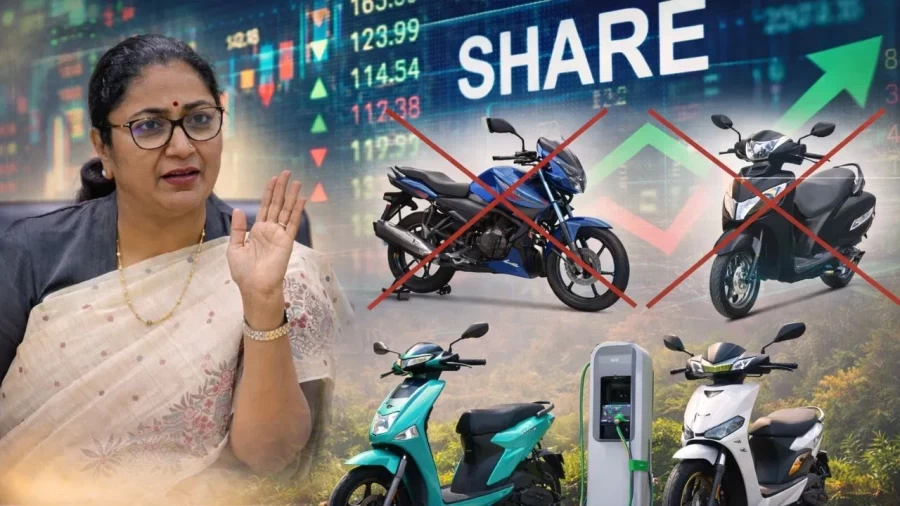
The Delhi government has unveiled its 'Draft Electric Vehicle (EV) Policy 2026-30', aiming to accelerate the transition to clean energy and combat rising pollution levels in the national capital. According to the draft document, the government plans to phase out petrol-powered two-wheelers and three-wheelers from Delhi's roads. This strategic move is intended to establish Delhi as the EV capital of India and Notably reduce the city's carbon footprint. Following the announcement of this policy framework, shares of leading automobile manufacturers and ancillary companies within the EV ecosystem have witnessed notable market activity.
Phased Ban on Petrol Vehicle Registrations
The proposed draft policy outlines a strict timeline for halting the registration of new internal combustion engine (ICE) vehicles in specific categories. As per the proposal, no new petrol-powered three-wheelers will be registered in Delhi starting January 2027. Plus, the government has proposed a complete ban on the registration of new petrol two-wheelers effective from April 2028. According to transport department officials, the draft is currently open for public feedback and stakeholder consultations. If implemented, these measures will mandate that all new sales in these segments must be electric or powered by alternative clean fuels.
Impact on Major Automobile Manufacturers
The government's aggressive stance is expected to directly impact established automobile companies that have already diversified into the electric segment, while according to market data, shares of Bajaj Auto and TVS Motor showed a positive trend in recent trading sessions. 29% increase. The stock has delivered approximately 12% returns over the past week. 64% to reach ₹3,825. These companies are strengthening their market position through electric models like the Bajaj Chetak and TVS iQube, which are poised to replace traditional petrol variants.
Performance of EV Startups and Ola Electric
The potential ban on petrol vehicles is creating a favorable environment for pure-play EV companies such as Ola Electric and Ather Energy. Ola Electric's shares have recorded a surge of over 60% during the month of April. 88. Ather Energy also saw its shares strengthen by more than 11% this week. According to market reports, the shift in consumer preference towards electric mobility, driven by regulatory changes, is expected to enhance the market valuation of companies exclusively focused on the EV sector.
Growth in Battery and Charging Infrastructure Sectors
The expansion of the EV policy isn't limited to vehicle manufacturers; it also encompasses companies involved in battery production and charging infrastructure. Stocks of companies like Exide Industries, Amara Raja Energy, and Tata Power have reflected this trend. 74%. 50. The anticipated surge in demand for lithium-ion batteries and public charging stations due to the policy shift is a key factor influencing the financial outlook for these ancillary industries.
