

- India,
- 12-Apr-2026 12:06 AM IST


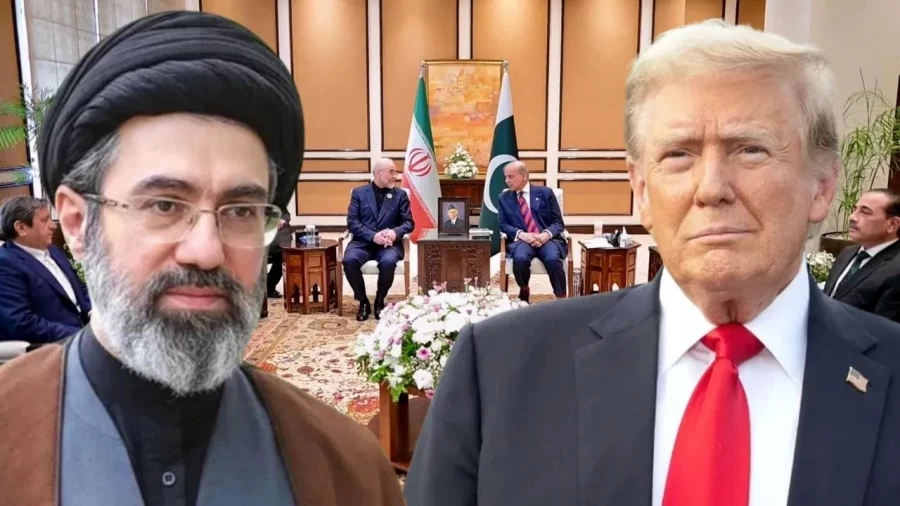
High-level diplomatic negotiations between the United States and Iran commenced in Islamabad, Pakistan, marking a significant attempt to de-escalate tensions in West Asia. The first day of the peace talks lasted approximately four hours, involving intense discussions between high-ranking officials from both nations. Pakistan, acting as the mediator, hosted the delegations as the world watched the outcome of this high-stakes diplomatic mission, while according to sources, the second round of talks has already been initiated following the initial deliberations.
Deadlock Over the Strait of Hormuz
The strategic Strait of Hormuz emerged as a major point of contention during the first day of negotiations. Reports indicate a heated exchange between US Vice President JD Vance and Iranian Foreign Minister Abbas Araghchi regarding the control and navigation of the waterway, while iran has insisted on its right to collect tolls from vessels passing through the strait, a demand that the US delegation has reportedly resisted. Upon landing in Islamabad, JD Vance emphasized that Iran must demonstrate genuine seriousness in the talks, while Pakistan's Prime Minister Shehbaz Sharif described the summit as a 'make or break' moment for global peace.
Iran's Four Mandatory Conditions
Iran has placed four primary conditions on the table as a prerequisite for any long-term agreement. Firstly, Tehran has stated it won't halt its uranium enrichment program, ensuring the continuation of its nuclear activities. Secondly, Iran demands a complete cessation of Israeli military operations in Lebanon. The third condition involves the permanent right to collect tolls in the Strait of Hormuz. Finally, Iran is seeking the immediate unfreezing of its global assets. Iranian officials have signaled that these terms are non-negotiable for the progression of the peace process.
The $120 Billion Frozen Asset Breakdown
A central pillar of the negotiations is the restoration of Iran's frozen financial assets, estimated to be between $100 billion and $120 billion globally. These funds, primarily from oil and energy trade, have been blocked due to international sanctions. The breakdown includes $20 billion held in China, $10 billion in Iraq, and $7 billion in South Korea. 5 billion combined in the UK and the Netherlands. Iran aims to take advantage of these funds to stabilize its domestic economy, which has been under severe pressure.
Trump's Warning and Israel's Stance
' Trump asserted that the US has ample energy alternatives and that the opening of the Strait of Hormuz wouldn't take long under the right conditions. Simultaneously, Israeli Prime Minister Benjamin Netanyahu issued a strong statement affirming that Israel's campaign against the Iranian government and its proxies would continue. Netanyahu emphasized that under his leadership, Israel wouldn't cease its military efforts despite the ongoing diplomatic dialogue in Pakistan.
Diplomatic Friction Within Delegations
Internal friction regarding the composition of the US delegation has also surfaced. ' Tehran expressed a preference for negotiating with JD Vance, whom they associate with the 'America First' approach, while raising objections to the presence of Jared Kushner and Steve Witkoff. Iran alleges that these members prioritize Israeli interests, which could potentially hinder a neutral outcome. The Iranian Vice President warned that failure to reach a resolution would result in a heavy cost for global stability.
