

- India,
- 11-Apr-2026 08:34 AM IST


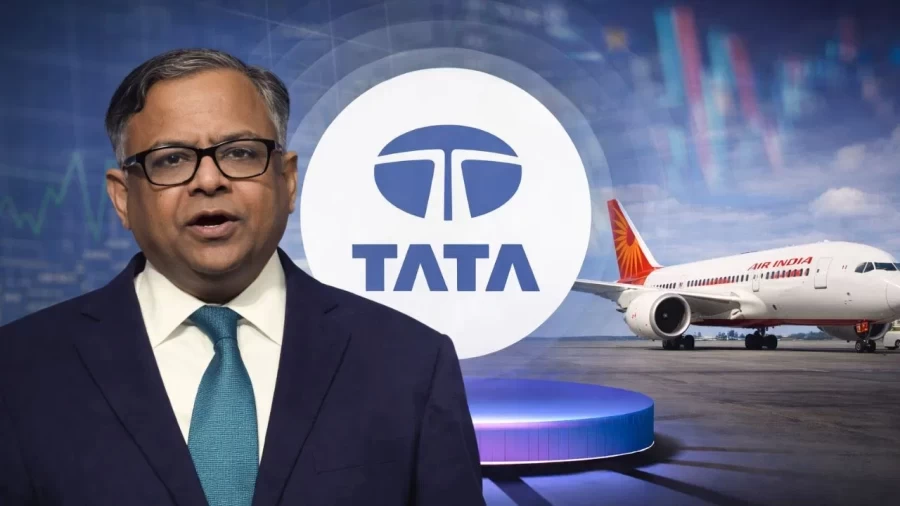
The homecoming of Air India to the Tata Group was seen as a landmark event in Indian aviation, but the airline is currently facing its most significant challenge yet. Despite massive restructuring efforts, the national carrier is struggling with mounting financial losses and a sudden leadership vacuum, while tata Sons Chairman N. Chandrasekaran has acknowledged the gravity of the situation, stating that the current environment is extremely challenging for the 'Maharaja' and requires immediate focus on ground realities.
Escalating Financial Losses and Projections
Internal estimates suggest that the total loss for Tata Sons' new business ventures could reach ₹29,000 crore in FY26. Air India remains the primary contributor to this deficit. While initial projections estimated a loss of ₹2,000 crore for the airline, revised figures indicate it could soar to ₹20,000 crore. In FY25, the airline recorded a loss of ₹11,000 crore, and in the first nine months of the current fiscal year alone, losses have already touched ₹15,000 crore. Over the last three years, the cumulative loss has reached approximately ₹32,000 crore.
Leadership Transition: CEO Campbell Wilson Steps Down
In a major blow to the airline's stability, CEO Campbell Wilson resigned from his position on April 7. Wilson, who took charge in 2022, had a contract valid until July 2027. His premature exit has raised concerns about the continuity of the airline's transformation strategy. Having led the initial phase of the merger and modernization, his departure leaves a critical gap in the management structure at a time when the airline is navigating through a financial storm.
Operational Hurdles and Global Economic Factors
' External factors such as crude oil prices crossing $100 per barrel and geopolitical tensions leading to the closure of airspace by neighboring countries have Importantly increased operational costs. These challenges, combined with the aftermath of technical incidents and safety concerns, have strained the company's resources, while the airline is finding it difficult to balance the high cost of modernization with the volatile nature of the global aviation market.
Restructuring and Workforce Expansion
Since the acquisition, the Tata Group has implemented an extensive overhaul of the airline. This includes the merger of four different airline brands into two distinct entities to streamline operations. To support this growth, the company has hired 17,000 new employees and placed massive orders for new aircraft to replace the aging fleet. While these steps are aimed at long-term sustainability, the immediate financial burden of these investments is weighing heavily on the group's balance sheet.
Chairman’s Address to Employees
Addressing the growing concerns, Tata Sons Chairman N. Chandrasekaran held a town hall meeting at the airline's Gurugram headquarters. He delivered a candid message to the staff, emphasizing that while the long-term outlook remains positive, the present is fraught with difficulties, while he urged the team to avoid unrealistic expectations and focus on execution and cost management. Chandrasekaran assured the management of the board's full support but stressed that improving service quality and financial discipline are non-negotiable priorities for the airline's survival.
