

- India,
- 07-Apr-2026 09:38 AM IST


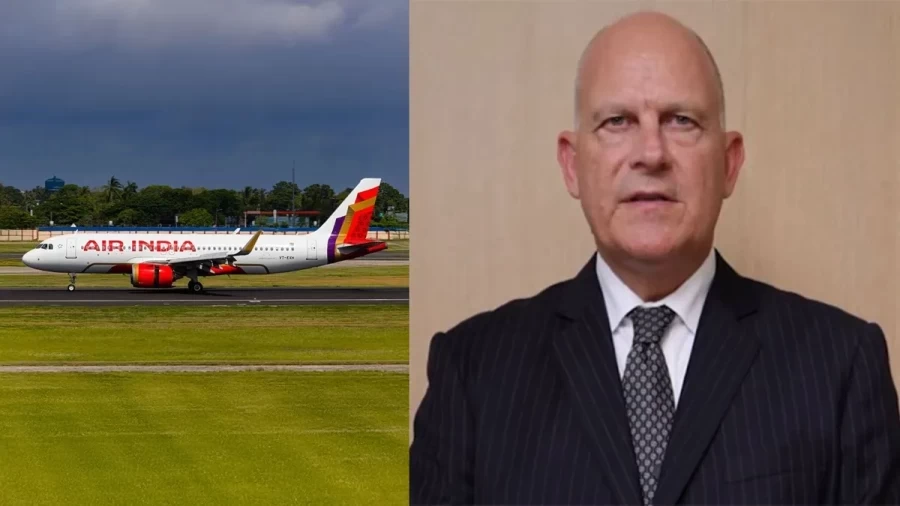
Campbell Wilson, the Chief Executive Officer (CEO) of Air India, has officially tendered his resignation from the Tata Group-led airline. Wilson, who was appointed to lead the carrier through its ambitious turnaround phase in 2022, was originally scheduled to serve until July 2027. According to official reports, Wilson is currently serving a six-month notice period and will remain with the company until a successor is appointed. The board of Air India has initiated an accelerated search for a new CEO to ensure a smooth transition in leadership.
Wilson, a New Zealand native, was brought in from Singapore Airlines following the Tata Group's acquisition of the formerly state-owned carrier. His primary mandate was to oversee the restructuring and modernization of Air India. While his tenure saw significant strategic moves, including massive aircraft orders, it was also marked by persistent operational challenges and regulatory hurdles that have now culminated in his departure.
The Fatal Aviation Accident and Safety Scrutiny
A significant factor contributing to the leadership change is the aftermath of a tragic aviation accident that occurred on June 12 last year. An Air India Boeing 787-8 aircraft, operating from Ahmedabad to London, crashed shortly after takeoff. The disaster resulted in the loss of 260 lives, including 241 passengers and crew members on board and 19 individuals on the ground. This incident prompted rigorous investigations by aviation authorities into the airline's safety management systems and operational protocols, placing immense pressure on Wilson’s administration.
Regulatory Violations and DGCA Interventions
The Directorate General of Civil Aviation (DGCA) has repeatedly flagged Air India for lapses in safety standards during Wilson's tenure. Investigations revealed that the airline operated a specific aircraft at least eight times without a valid Airworthiness Certificate. On top of that, reports indicated that several flights were conducted without the mandatory inspection of emergency equipment. These regulatory breaches led to severe reprimands and financial penalties from the aviation watchdog, raising concerns about the airline's internal compliance mechanisms and safety culture.
Operational Challenges and Financial Performance
Air India continues to face substantial financial losses despite the transition to private ownership. The turnaround process has been slower than anticipated, with the airline struggling to achieve profitability amidst rising operational costs. On top of that, delays in the delivery of new aircraft from manufacturers have hampered the airline's route expansion plans. Issues related to the maintenance of the existing fleet and inconsistent cabin service quality have also impacted passenger confidence, further complicating the airline's path to financial recovery.
Leadership Transition and Future Roadmap
With Wilson's departure, the Air India board is seeking a leader capable of prioritizing safety while navigating the complex financial landscape of the aviation industry. The transition comes at a critical time as the airline proceeds with its merger with Vistara. The incoming CEO will be tasked with integrating the operations of the two carriers while addressing the systemic safety issues identified by regulators. The board is reportedly looking for a candidate with a proven track record in operational excellence and safety management to restore the airline's global standing.
Wilson’s Tenure and Strategic Initiatives
During his time at the helm, Campbell Wilson was instrumental in placing one of the largest aircraft orders in aviation history, involving hundreds of jets from Airbus and Boeing. AI' transformation plan aimed at making Air India a world-class global airline. However, the disconnect between long-term strategic planning and immediate operational safety requirements became a point of contention. The focus now shifts to how the Tata Group will stabilize the leadership to continue the airline's modernization journey.
