

- India,
- 11-Apr-2026 08:45 AM IST


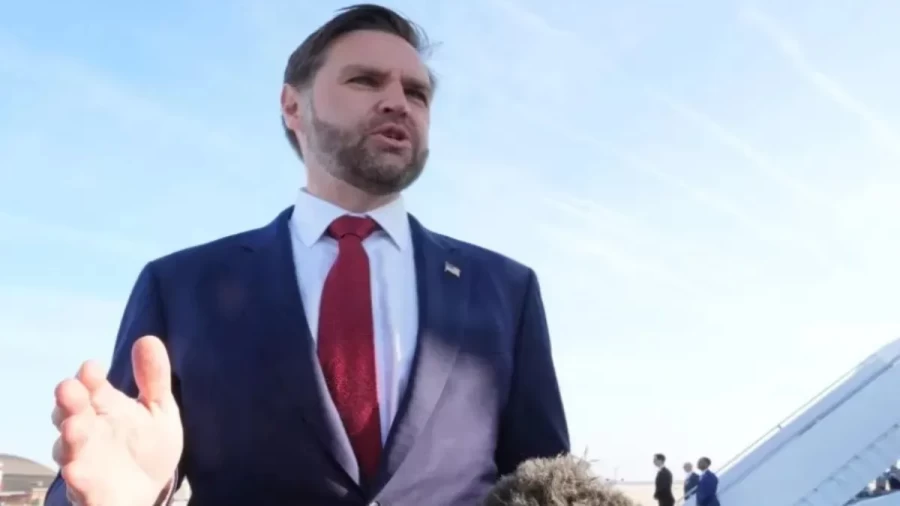
US Vice President JD Vance departed for Islamabad, Pakistan, on Friday to lead high-stakes mediation talks with Iranian officials. The mission, sanctioned by President Donald Trump, aims to find a diplomatic resolution to the escalating conflict between the two nations. Before boarding his flight, Vance issued a stern warning to Tehran, stating that the United States wouldn't tolerate any manipulative tactics during the negotiations. He clarified that while the US is prepared to welcome Iran with open arms if they negotiate in good faith, the negotiating team is equally ready to withdraw if met with deception.
Trump’s Diplomatic Directive to JD Vance
President Donald Trump has entrusted JD Vance, one of his closest allies, with the task of averting a full-scale conflict. This diplomatic push follows previous warnings from the US administration regarding the potential destruction of Iranian infrastructure. Vance, known for his skeptical stance on indefinite foreign military interventions, is now at the forefront of this effort to stabilize a fragile ceasefire that officials say is on the verge of collapse, while the Vice President's role is seen as a pivotal attempt to balance military deterrence with strategic diplomacy.
Iranian Demands and Pre-conditions for Talks
As the delegations gather in the Pakistani capital, Iran has voiced its own set of requirements, while mohammad Bagher Qalibaf, the Speaker of the Iranian Parliament, stated via social media that a ceasefire in Lebanon and the release of frozen Iranian assets are necessary precursors to the talks. Qalibaf emphasized that the cessation of Israeli operations against Hezbollah and the lifting of economic blockades must be addressed. The Iranian delegation, which arrived in Islamabad ahead of Vance, includes Foreign Minister Abbas Araghchi and Central Bank Governor Abdolnaser Hemmati.
Pakistan’s Role as a Mediator
The choice of Islamabad as the venue highlights Pakistan's role as a neutral ground for these critical discussions, while pakistani Foreign Minister Ishaq Dar received the Iranian delegation at the airport, while Prime Minister Shehbaz Sharif addressed the nation, describing the talks as a "decisive moment" for regional stability. The Pakistani government has facilitated the logistics for both sides, emphasizing the importance of de-escalation in the Middle East to prevent a wider global economic impact.
The Composition of the US Delegation
Joining Vice President Vance are key figures from the Trump administration, including special envoy Steve Witkoff and Jared Kushner. Kushner has previously participated in three rounds of indirect talks with Iranian representatives, focusing on concerns regarding Tehran’s nuclear program and its support for regional proxy groups. The US delegation aims to address ballistic weapon developments and maritime security, seeking a comprehensive agreement that could prevent the outbreak of hostilities that many feared would begin after 28 February.
