

- India,
- 29-Mar-2026 12:33 PM IST


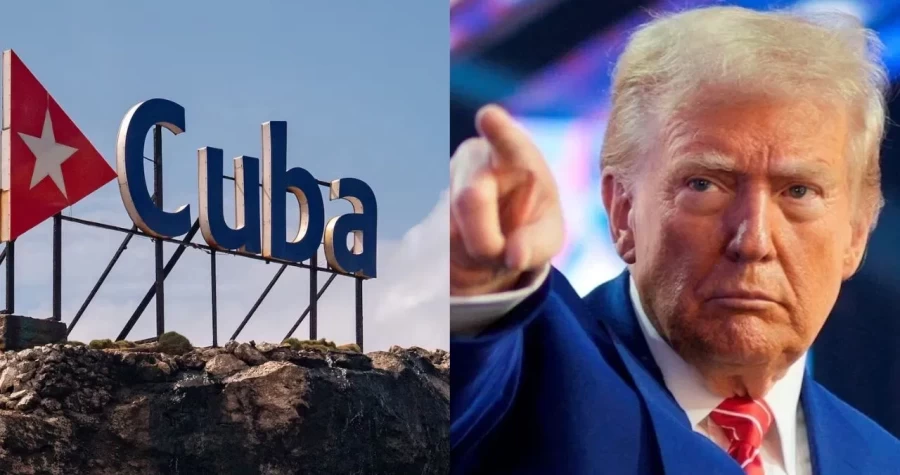
US President Donald Trump has intensified his rhetoric against Cuba, signaling a significant shift in American foreign policy toward the Caribbean nation. In recent statements, Trump suggested that after the actions taken in Venezuela, Cuba is now positioned as the next primary focus for the United States. Over the past year, the US administration has issued approximately 10 warnings to Havana, reflecting a deteriorating diplomatic relationship. This development follows reports of US military intervention in Venezuela, which allegedly resulted in the detention of President Nicolas Maduro and his wife. The move has sent shockwaves through international political circles, raising concerns about the stability of the entire Latin American region.
Executive Order and National Security Concerns
On 29 January, President Trump signed a pivotal executive order identifying Cuba as a significant threat to the national security of the United States. The administration alleges that Cuba has maintained long-standing strategic ties with adversaries such as Russia, China, and Iran to undermine American interests. Also, Washington has accused Havana of providing support to international terrorist organizations. During his address, Trump emphasized his commitment to global peace but maintained that US security remains non-negotiable. According to officials, this executive order serves as a formal framework for potential future sanctions or military measures against the Cuban government, citing the need to neutralize perceived threats in the Western Hemisphere.
Cuba's Stance on Sovereignty and Defense
In response to the escalating threats from Washington, Cuban President Miguel Díaz-Canel has reaffirmed his country's commitment to defending its national sovereignty. He characterized the US stance as an unwarranted interference in the internal affairs of a sovereign state, reminiscent of Cold War-era mentalities. The Cuban government has called upon the international community to condemn what it describes as aggressive imperialist policies, while díaz-Canel urged the Cuban citizens to remain resilient, stating that the nation wouldn't succumb to external pressure or compromise its socialist principles. Military officials in Havana have reportedly been placed on high alert as the rhetoric from the White House continues to sharpen.
Impact of Venezuela Crisis on Cuban Energy
The recent military developments in Venezuela have had a direct and devastating impact on Cuba's economic infrastructure, while historically, Cuba has relied heavily on Venezuela for its energy requirements through a long-standing oil-for-services agreement. Following the disruption of governance in Caracas, oil supplies to Cuba have seen a drastic reduction of approximately 30%. This led to a massive nationwide blackout on 16 March, affecting millions of residents and halting industrial activity. Over the last 4 months, 3 major power plants in Cuba have faced operational shutdowns due to acute fuel shortages. The energy crisis has crippled transportation networks and led to a reported 15% contraction in the Cuban economy, as the traditional exchange of medical personnel for petroleum has collapsed.
Historical Context of a 67-Year Diplomatic Feud
The animosity between the United States and Cuba dates back to the 1959 Cuban Revolution led by Fidel Castro. Following the nationalization of American-owned properties and Cuba's subsequent alliance with the Soviet Union, the US imposed a comprehensive economic embargo that remains largely in place today. The 1962 Cuban Missile Crisis marked the peak of this confrontation, bringing the world to the brink of nuclear war. While the Obama administration attempted to normalize relations, the Trump administration has systematically dismantled those policies, opting for a strategy of maximum pressure. The current tension is viewed by historians as a return to the high-friction era of the mid-20th century, with Cuba facing its most severe economic challenges in decades.
Regional Instability and Global Reactions
The aggressive posture of the United States toward Cuba and Venezuela has triggered widespread concern across Latin America and the global community, while international observers fear that a potential military escalation could destabilize the region and lead to a protracted conflict involving global powers. Russia and China have issued statements criticizing US interventionism, calling for a diplomatic resolution to the crisis. The United Nations has been urged to mediate as the risk of a humanitarian crisis grows in the Caribbean, while as the US strategy unfolds, the international community remains watchful of the next steps taken by Washington and the subsequent defensive reactions from Havana, which will determine the future of regional security.
