

- India,
- 28-Mar-2026 09:36 AM IST


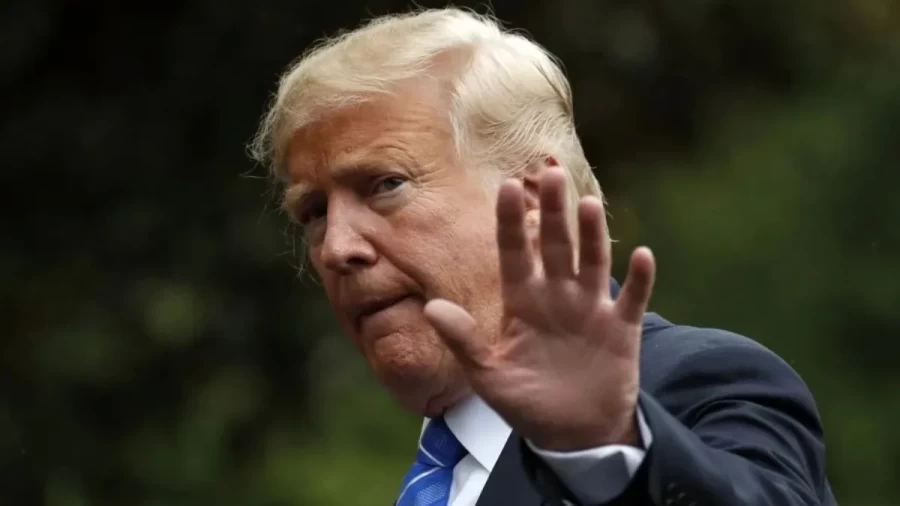
United States President Donald Trump has officially announced a 10-day postponement of planned military strikes against Iran's energy infrastructure. The new deadline for potential action has been extended to April 6, 2026. Making the announcement via his Truth Social platform, the President stated that the decision was made following a direct request from the Iranian government. He characterized the ongoing discussions between the two nations as productive and constructive, suggesting that a temporary halt in military escalation is necessary to facilitate diplomatic progress.
Safeguarding Global Energy Infrastructure
According to energy experts and international observers, the primary motivation behind this strategic delay is the preservation of stability within the global energy markets. Ali Vaez, Director of the Iran Project at the International Crisis Group, noted that the Trump administration is acutely aware of the volatility in oil and gas markets. Any direct kinetic action against Iranian energy facilities could trigger an immediate spike in global fuel prices. Officials indicate that protecting the flow of energy through the region is a top priority, as disruptions could lead to a prolonged global economic impact rather than a temporary supply shortage.
Iranian Counter-Threats and Regional Stability
The decision to delay also comes amid significant retaliatory threats from Tehran. Analysts point out that while the US had threatened to dismantle Iran's power grids and energy hubs, Iran responded with warnings of targeting energy installations across the Gulf and Israel's electrical networks. Experts warn that such an escalation would create a catastrophic scenario for the global energy sector, while reports suggest that approximately 17% of Qatar's gas production capacity is already facing disruptions, with recovery estimated to take between 3 to 5 years. The potential for long-term damage to production infrastructure remains a critical concern for US strategists.
Diplomatic Channels and Presidential Statements
President Trump emphasized that despite conflicting media reports, the dialogue with Iranian representatives has been serious and detailed. This 10-day extension follows a previous 5-day delay ordered earlier in the week. The President's statements suggest a dual-track approach: maintaining a credible military threat while exhausting all diplomatic avenues. According to official sources, the Iranian request for more time was granted to allow for further negotiations on strategic issues, including the status of the Strait of Hormuz and regional security arrangements.
Recent Military Hostilities and Base Casualties
The diplomatic pause occurs against a backdrop of continued military friction in the Middle East. Recent reports confirmed a significant attack on the Prince Sultan Airbase in Saudi Arabia, which resulted in injuries to several US service members and damage to military aircraft. This incident followed a 48-hour ultimatum issued by President Trump last Saturday, demanding that Iran ensure unrestricted access to the Strait of Hormuz. While Iran has publicly denied engaging in formal talks with the US, the extension of the strike deadline indicates a complex maneuvering of military and diplomatic assets to prevent a full-scale regional conflict.
