
- India,
- 27-Oct-2026 09:11 AM IST



US President Donald Trump is widely known across the globe for asserting his dominance in international politics and pursuing an aggressive foreign policy approach. He consistently strives to ensure that governments in other nations operate strictly in accordance with American interests. To achieve this primary objective, he frequently resorts to issuing direct threats of imposing heavy tariffs on foreign goods, or openly expresses his personal opinions regarding the leaders and electoral processes of sovereign nations. However, the electoral outcomes witnessed across various parts of the world over the past two years have proven to be a massive setback for the American leader. According to widespread reports, Trump actively and fully supported his preferred candidates or political factions in the elections of eight different countries, yet his favored sides faced humiliating defeats in six of those nations. This list of nations prominently includes Romania, Honduras, Hungary, Brazil, Japan, Germany, Canada, and Australia. These electoral results have sparked a grave and serious debate within international political circles as to whether Donald Trump's personal popularity and American power can no longer influence voters in other countries in the manner they once did.
Which countries witnessed defeats for Trump supporters?
The profound impact of Trump's aggressive foreign policy was clearly visible in the election outcomes of multiple nations. In Canada, he threw his support behind Conservative Party leader Pierre Poilievre, yet Liberal Party candidate Mark Carney secured a resounding victory in the election, while similarly, in Australia, Anthony Albanese's Labor Party managed to secure power amidst various issues closely tied to Trump's brand of politics. In Romania, nationalist leader George Simion, who was widely regarded as a staunch Trump supporter, lost the presidential race. Also, in Germany, despite enthusiastic backing from the Trump administration and its close associates, the right-wing party AfD ultimately failed to successfully form a government. In Hungary, despite strong backing from Trump, Viktor Orban's ruling party suffered a defeat in the April 2026 elections. All of these definitive outcomes have clearly demonstrated that Trump's intervention on foreign soil frequently backfires, with local electorates choosing to cast their ballots directly against perceived American pressure.
Canada's April 2025 election and Pierre Poilievre's defeat
During the elections held in Canada in April 2025, Conservative leader Pierre Poilievre, who was considered closely aligned with Trump's policies, suffered a notable defeat. In contrast, Mark Carney's Liberal Party recorded a decisive victory. Throughout the course of this election cycle, tariff threats issued by Trump alongside remarks regarding the potential annexation of Canada by the United States ignited a deep sense of national pride within the country, which quickly transformed into a crucial and decisive issue on the campaign trail, while canadian voters viewed the overt foreign intervention by the US President as an unacceptable encroachment upon their domestic affairs and voted accordingly.
Australia's May 2025 election and Peter Dutton's failure
The shadows of American influence were also clearly discernible during the Australian elections held in May 2025. Conservative leader Peter Dutton, associated with policies akin to those of Trump, lost the election contest, while Anthony Albanese's Labor Party achieved a sweeping victory. Subsequent electoral analyses directly linked widespread public resentment against Trump's proposed tariffs and unilateral policies to these decisive election results, thereby proving that Australian voters decisively rejected American-style political rhetoric.
Romania's May 2025 presidential election
In the Romanian presidential election held in May 2025, George Simion, a nationalist leader and staunch supporter of Trump's MAGA ideology, suffered a major defeat. He was defeated in the political arena by his opponent Nicusor Dan. Official election results indicated that Nicusor Dan secured approximately 54 percent of the vote, dealing a severe blow to nationalist and pro-Trump political forces within Romanian politics.
Hungary's April 2026 election and Viktor Orban's removal
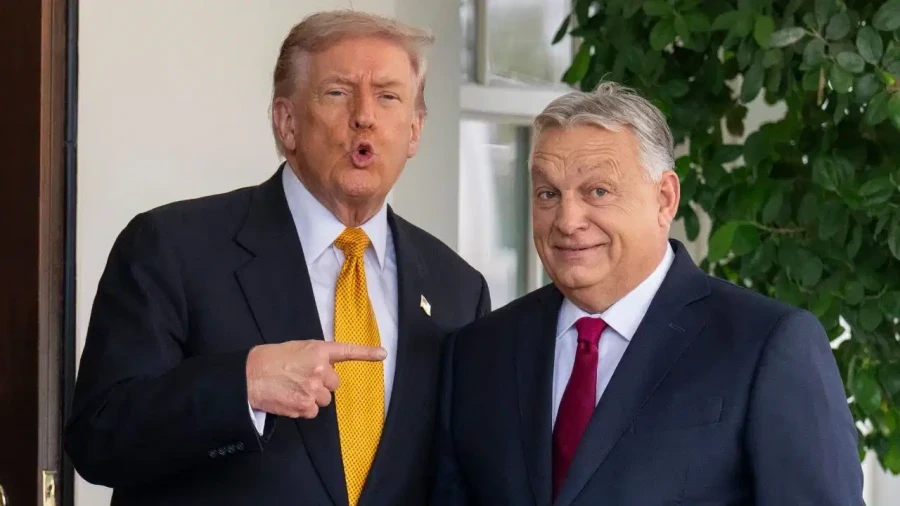
The Hungarian election held in April 2026 sent shockwaves across the international community, as Viktor Orban, a close ally of Trump and the long-serving Prime Minister of the country, suffered a crushing defeat at the hands of the opposition party led by Peter Magyar. Interestingly, US President Donald Trump himself had openly endorsed Viktor Orban, and US Vice President JD Vance had traveled on a special visit to Hungary shortly before the elections took place, while despite this high-level backing, Orban completely failed to retain his hold on power, and the opposition challenger emerged victorious.
Brazil's October 2026 presidential election
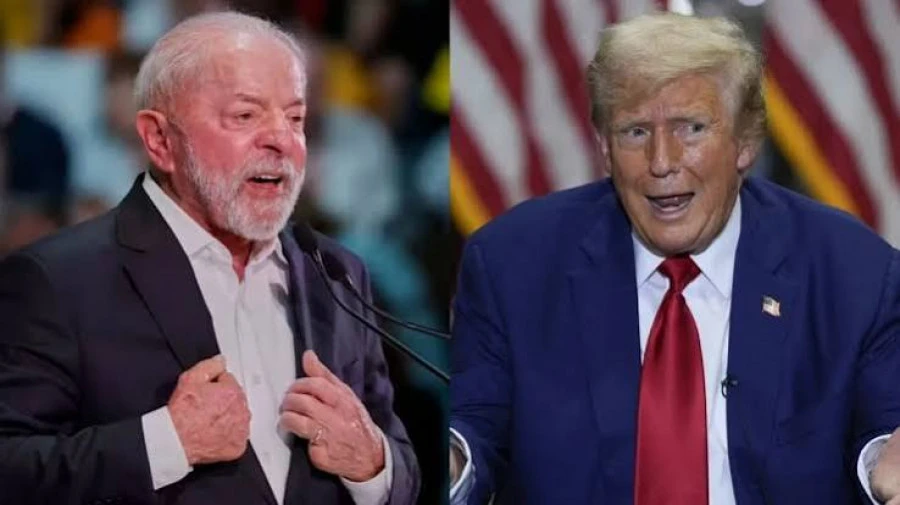
The political corridors of Brazil also witnessed extensive efforts aimed at American intervention. During the presidential election held in October 2026, senior officials associated with the Trump administration made multiple attempts both behind the scenes and openly to engineer a political comeback for the Bolsonaro family. According to a detailed report published by the Reuters news agency, American officials exerted intense political pressure on incumbent Brazilian President Luiz Inacio Lula da Silva while aggressively advocating for measures designed to benefit opposition figure Flavio Bolsonaro. Nevertheless, despite all American machinations, President Lula decisively defeated Flavio Bolsonaro in the crucial presidential election held on October 25, 2026.
Germany's February 2025 general election
Germany, recognized as one of Europe's most powerful nations, also served as a testing ground for Trump's influence during its general election held in February 2025. Elon Musk, a prominent industrialist and exceptionally close associate of Trump, openly and publicly used social media platforms to endorse the German right-wing party AfD and its principal leader Alice Weidel. Despite this high-profile backing, the AfD party completely failed to secure the top spot in the general election concluded on February 23, 2025.8 percent of the vote to finish in second place nationwide, whereas the CDU/CSU alliance led by Friedrich Merz secured the highest share of the vote.
How did Trump's supporters find success in Japan and Honduras?
Although facing setbacks in six distinct countries, Trump did experience the taste of victory through endorsed factions in two nations. In the major Asian nation of Japan, the political party led by Prime Minister Sanae Takaichi achieved a massive and historic victory in the February 2026 elections. Just prior to the casting of ballots on February 6, US President Donald Trump publicly and unequivocally endorsed Takaichi and her entire political coalition. Trump praised Takaichi as an exceptionally strong and wise leader, stating publicly that she wouldn't disappoint the people of Japan. Plus, Trump explicitly highlighted the strong trade and security relationship shared between the United States and Japan.
On top of that, Trump's strategy met with a degree of success in the Central American nation of Honduras. There, Trump threw his open support behind conservative presidential candidate Nasry Asfura just days ahead of the election. Trump explicitly signaled that future economic assistance provided by the United States could be severely and negatively impacted if Asfura failed to emerge victorious. During the tabulation of votes, Trump also levied serious allegations that attempts were being made to unlawfully alter the election outcomes, although he failed to present concrete evidence to substantiate this claim. Ultimately, on December 24, 2025, Honduran election officials officially declared Nasry Asfura as the winner. Barring these two exceptions, the string of defeats suffered across six other countries has firmly established that the global influence of the American President is no longer invincible, as voters worldwide increasingly reject foreign pressure.