
- India,
- 27-Oct-2026 09:22 AM IST



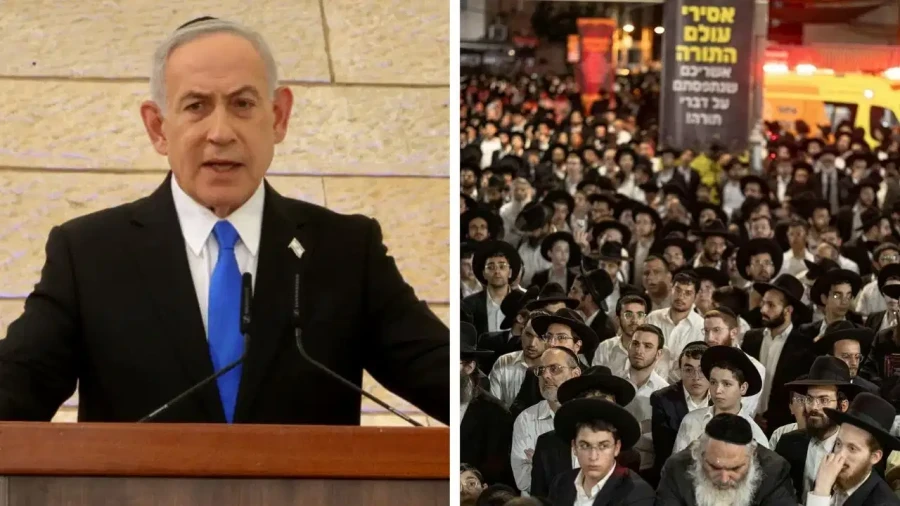
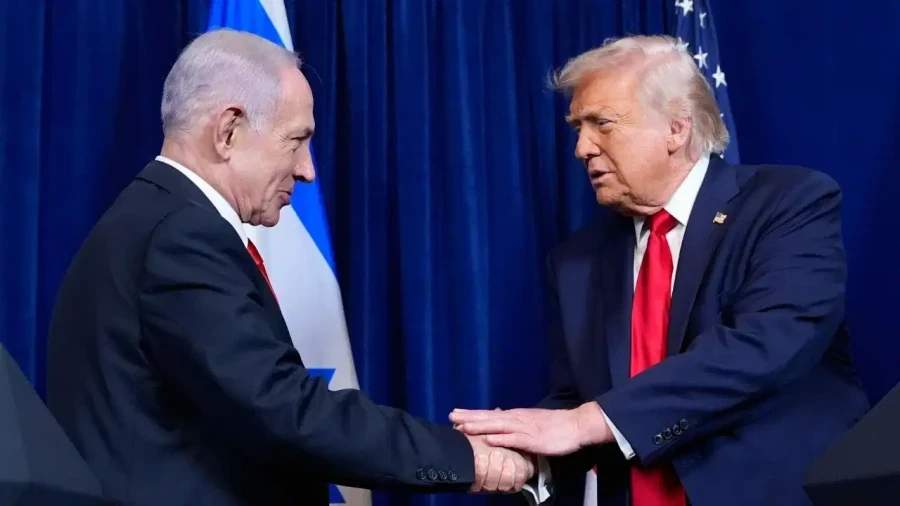
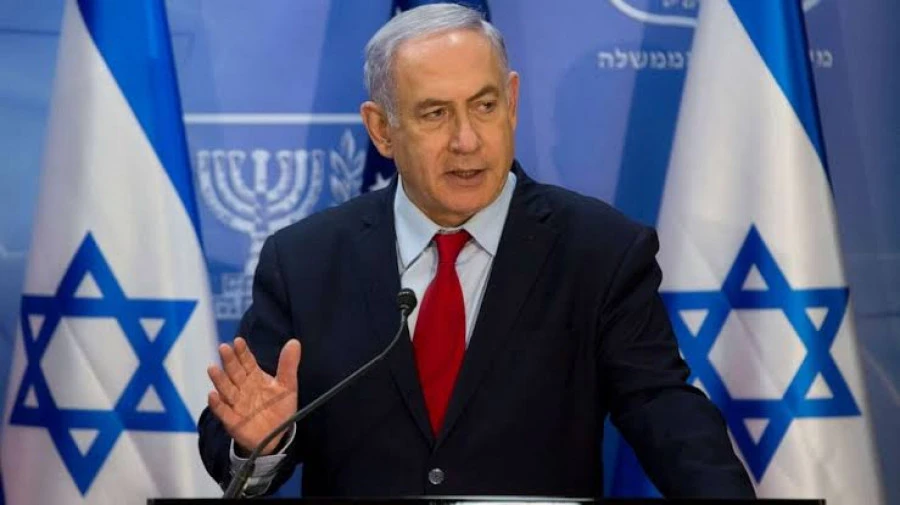
Israel will hold general elections today, and just two days prior to the voting, Prime Minister Benjamin Netanyahu wanted to launch an attack on Iran. He had issued orders for a secret military operation, but the Israel Defense Forces refused to take hasty steps. While a countdown to an Iran war has begun in Washington, a political game of chess continues in Tel Aviv, where Prime Minister Benjamin Netanyahu appears to be falling behind. Today is election day in Israel, which will decide the political future of Prime Minister Benjamin Netanyahu. In this crucial election, seventy-three million voters will exercise their franchise across one hundred and twenty seats. Meanwhile, US President Donald Trump praised PM Netanyahu, stating that Netanyahu has done a very good job as prime minister under difficult circumstances.
Clash Erupts Between Netanyahu and IDF Chief
Just before the voting in Israel, a severe fallout has occurred between Netanyahu and IDF Chief Eyal Zamir. Reports indicate that Netanyahu wanted to strike Iran two days before the polls, but the IDF chief rejected the proposal. Netanyahu faces growing accusations that he's attempting to use war as an electoral tool, while there is now a mounting fear that these allegations could trigger Netanyahu's political exit. A report by Israel's Channel 12 claims that right before the elections, Benjamin Netanyahu wanted to strike Iran and gave strict directives to Israeli military chief Eyal Zamir to conduct a secret military operation.
Is Iran Not a Threat to Israel Right Now?
According to reports, the IDF chief refused to take any hasty action. Netanyahu and his administration wanted to know the reasons behind this refusal. In his defense, Eyal Zamir stated that such a move demands deep strategic deliberation, while not only that, Zamir believes that Iran doesn't currently pose a threat to Israel because previous Israeli strikes have Importantly pushed back Iran's nuclear and missile capabilities. He believes Israel should launch an immediate attack under only two circumstances. Number one, if Iran is about to attack Israel directly. Number two, if Trump himself initiates a new war and Israel receives full US backing.
Reports claim that Netanyahu subsequently pressured the military chief to follow orders, but the IDF chief demanded formal legal authorization from Netanyahu. He stated that explicit written approval must be given for the strike, following which no response came from Netanyahu or his close associates. The news of the confrontation between Netanyahu and the IDF chief has sparked a fresh debate across Israel. Questions are being raised as to whether the Iran war has become an electoral tool for Netanyahu, whether Netanyahu wanted to launch a bombardment before the polls to delay the elections, and whether he wants to exploit warfare to win votes.
IDF Chief Stance Creates Trouble for Netanyahu
Israeli media reports suggest that Netanyahu's administration is attempting to politically exploit the Iran front to win the elections or gain an electoral edge because Netanyahu fears these elections could oust him from power. This is the exact reason why Netanyahu repeatedly appealed to Donald Trump for election support. Meanwhile, posters featuring Trump and Netanyahu have been plastered across every street corner in Israel, with prominent references to Iran.
Forty-eight hours before voting, Donald Trump also posted on social media expressing his support for Netanyahu. The core of this support was also centered around Iran. Trump wrote that Netanyahu and he share a special winning connection. We carried out Operation Midnight Hammer, which prevented Iran from acquiring nuclear weapons, while then we executed Operation Epic Fury, which battered the Iranian military and economy. When you go to vote, remember this. Bibi has been a magnificent warrior prime minister.
Netanyahu is plagued by the fear of losing the election, which is why he sought Trump's support and plotted a military strategy right before the polls, but the IDF chief's stance could ruin all of Netanyahu's efforts. The question remains whether Zamir's refusal and confrontation with Netanyahu stem solely from the assessment that Iran isn't an immediate threat, or if there are other underlying reasons.
Four Major Reasons Behind IDF Chief Refusal
- Fear of massive economic damage. There is a deep apprehension that a strike on Iran would trigger fierce retaliation from Iran and its regional proxies. If a prolonged war breaks out, it would deal a severe blow to the economy.
- Fear of international diplomatic boycott. If it is proven that the military initiative was driven entirely by narrow political interests rather than self-defense, Israel could lose crucial international diplomatic support.
- Physical and mental exhaustion of the military. Israeli soldiers have been fighting relentless wars on the Gaza and Lebanon fronts for the past three years, leaving them physically and mentally fatigued.
- Severe shortage of military resources. Continuous and unending warfare has led to a depletion of ammunition reserves.
Past Disputes Between Prime Ministers and IDF Chiefs Over War
This is certainly not the first time an Israeli prime minister and an IDF chief have clashed over war strategy. In 1967, Egypt and Arab nations surrounded Israel from all sides. The then military chief Yitzhak Rabin wanted Israel to launch a preemptive strike without wasting a single moment, while Prime Minister Levi Eshkol preferred to wait for diplomatic channels and formal US consent. At the time, generals accused the prime minister of dithering, and a fierce dispute erupted during a security cabinet meeting.
In 1973, just before the surprise attack of the Yom Kippur War, a deep disagreement persisted between the prime minister and military chief David Elazar regarding when reserve troops should be mobilized in anticipation of an Arab offensive. In 1993, Prime Minister Yitzhak Rabin signed a historic peace agreement with the Palestine Liberation Organization. The then military chief Ehud Barak was strongly opposed to this agreement and fiercely protested against it.
History shows that past prime ministers and military chiefs have frequently clashed over war strategy, defense budgets, and diplomacy, but in Benjamin Netanyahu's current case, the core accusation involves seeking narrow political gains through warfare, and this grave allegation could now deal a crushing blow to his election campaign.