
- India,
- 08-Aug-2026 08:45 AM IST



In response to growing concerns and claims regarding the quality of E20 petrol in India, major government-owned oil marketing companies have issued a comprehensive clarification. Indian Oil Corporation (IOC), Bharat Petroleum Corporation (BPCL), and Hindustan Petroleum Corporation (HPCL) have collectively addressed the allegations suggesting high levels of chloride and water adulteration in E20 fuel. The companies have assured the public that there is no need for panic as the fuel being supplied across the country adheres to the strict quality parameters set by the government and regulatory bodies.
Comprehensive Investigation Across the Supply Chain
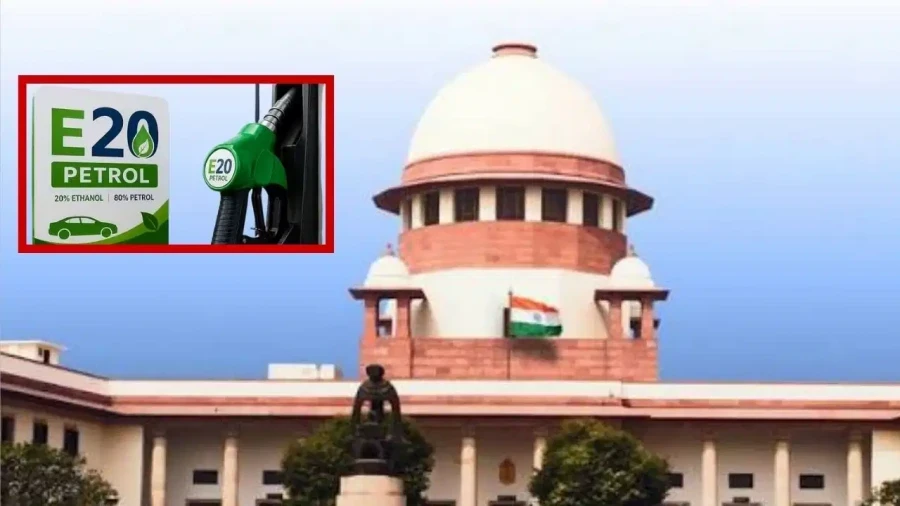
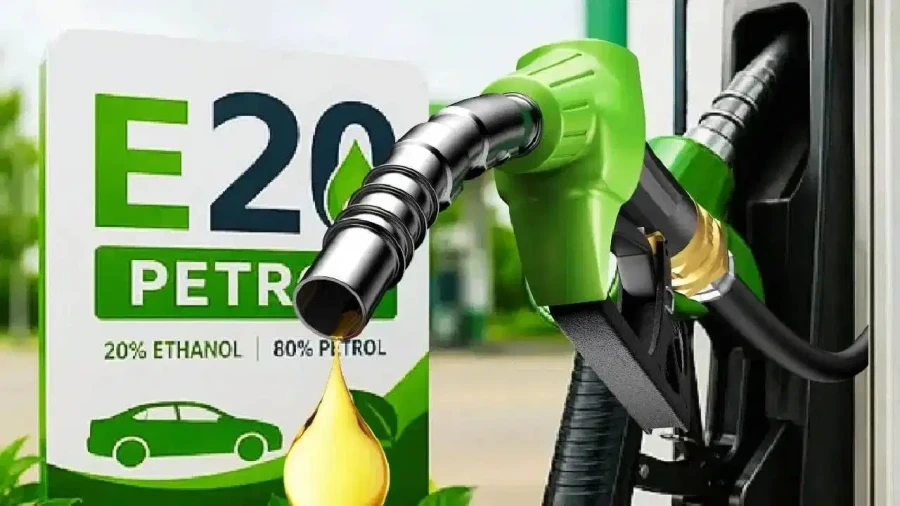
To verify the integrity of the fuel, the oil companies conducted a massive, multi-level investigation spanning the entire supply chain, while this extensive exercise involved collecting and testing samples from various points of origin and distribution, including oil refineries, ethanol-producing distilleries, storage depots, terminals, and retail petrol pumps. The objective was to identify any potential source of contamination or deviation from the prescribed standards for E20 petrol, which is a blend of 20 percent ethanol and 80 percent gasoline.
Refinery and Distillery Test Results
The investigation began at the source, while oil companies collected more than 100 samples of petrol directly from various refineries across the country. The laboratory analysis of these samples revealed that the chloride content was 1 ppm or even less. According to the companies, this confirms that the petrol produced at the refineries meets the highest quality standards before it even enters the blending process. Also, the ethanol used for blending was also subjected to rigorous scrutiny. Samples were collected from 80 distilleries nationwide over the last 10 days. A joint team comprising representatives from the three oil companies and the Center for High Technology conducted these tests. The results showed that the chloride content in the ethanol was less than 3 ppm, which is Notably lower than the maximum permissible limits.
Monitoring at Depots and Terminals
The quality control measures extend to the storage and transit phases. More than 80 samples were taken from various depots and terminals where the fuel is stored before being dispatched to retail outlets. The testing at this stage also confirmed that the chloride levels remained well within the safe and prescribed limits. The companies emphasized that they maintain a constant vigil over the quality of petrol during storage and supply to ensure that no external factors affect the fuel's composition.
Retail Level Inspections and Findings
Addressing the specific claims of high chloride levels at the consumer end, the oil companies launched a large-scale sampling drive at petrol pumps. To date, more than 1000 samples have been collected from retail outlets across India. Out of the 160 samples tested in the most recent batch, the chloride levels were found to be between 0 and 3 ppm. These findings directly contradict the claims that chloride levels in E20 petrol had reached several hundred ppm. However, the companies did acknowledge that in four specific locations, chloride levels were found to be higher than normal. In these instances, the companies took immediate action by suspending the fuel supply at those sites. A detailed investigation was conducted to identify the root cause, necessary corrective measures were implemented, and supply was only resumed after the fuel quality was confirmed to be back within standards.
No Evidence of Water Contamination
Regarding the allegations of water or moisture presence in E20 petrol, the oil companies have implemented a rigorous monitoring protocol. They've initiated inspections of underground fuel storage tanks at approximately 90,000 petrol pumps across the nation. These tanks are being checked for water presence between 8 and 12 times every single day. The companies stated that, so far, no evidence of water ingress or contamination has been found in these storage tanks, while to further ensure transparency and accuracy, the companies are utilizing Mobile Fuel Testing Labs and sending samples to independent, accredited laboratories for third-party verification. The oil marketing companies concluded by reiterating their commitment to providing high-quality fuel and urged consumers not to be swayed by unverified claims.