
- India,
- 04-Oct-2026 09:22 PM IST



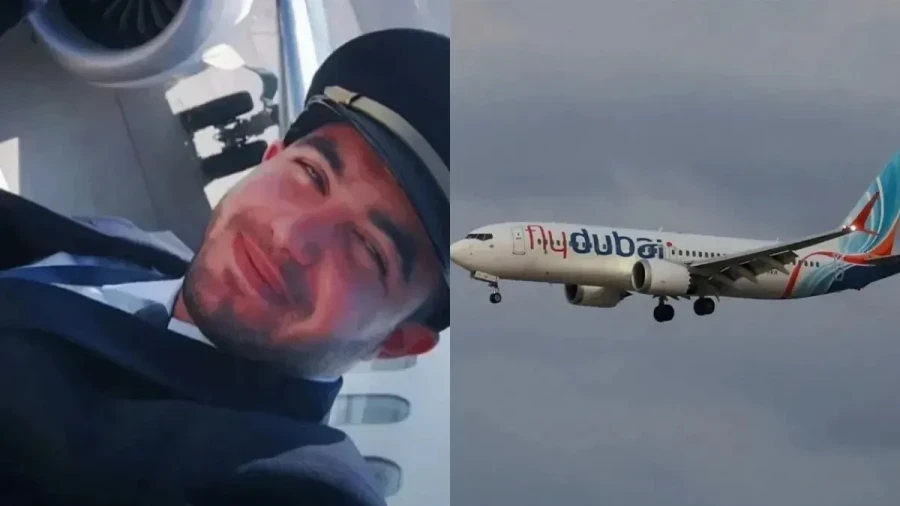
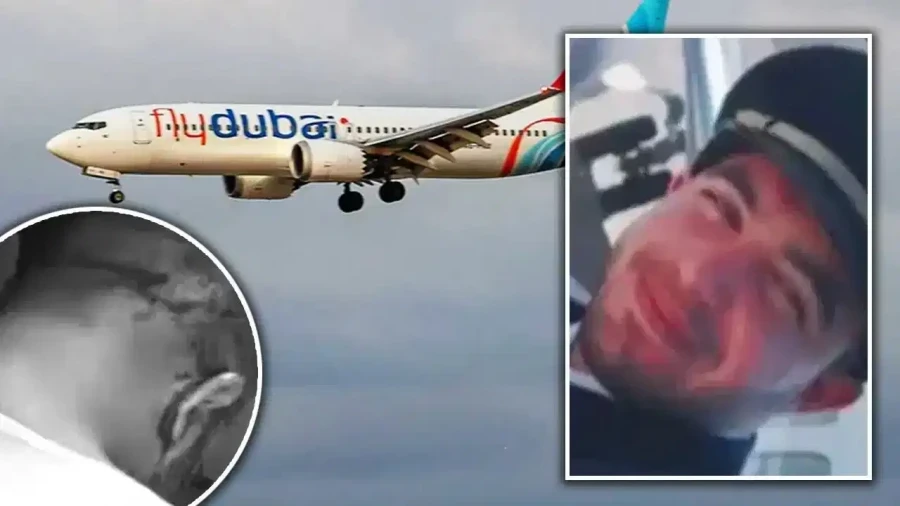
The investigation into the violent incident aboard FlyDubai flight FZ1073, which occurred on September 30, has taken an international turn as authorities in Australia and Israel join the United Arab Emirates in probing the background of the co-pilot involved. Hamam al-Hamami, an Omani national, is accused of attempting to hijack the aircraft and crash it while it was en route to Tel Aviv. The incident has raised serious security concerns regarding how an individual with a history of extremist interests was able to join the flight crew of a major international airline.
The Incident Inside the Cockpit
According to reports, the violence erupted inside the cockpit when Hamam al-Hamami allegedly attacked the lead pilot with an axe that was present on the aircraft. The co-pilot's intention was reportedly to seize control of the plane and carry out a terrorist act. The UAE Attorney General, Hamad Saif Al Shamsi, stated on October 2 that the investigation has confirmed al-Hamami's attempt to commit a terrorist incident. He emphasized that the co-pilot used the axe to assault the pilot in a bid to take over the flight. The authorities are currently examining the full circumstances, motives, and any potential external links that may have influenced his actions.
The Australian Connection
The Australian Federal Police (AFP) has confirmed that a counter-terrorism team is investigating al-Hamami's ties to Australia. The investigation is being conducted by the Victoria Joint Counter Terrorism Team, which includes the AFP, Victoria Police, and the Australian Security Intelligence Organisation (ASIO). Records indicate that al-Hamami was issued a student visa in 2014 and resided in Australia between 2015 and 2017 for his studies. Although he left the country after his studies, his visa was officially cancelled in 2019. However, the cancellation wasn't due to his conduct but because he was no longer enrolled in any course, making him ineligible for the student visa status.
Background and Radicalization Concerns
Further details emerging from the investigation suggest that al-Hamami had a history of consuming extremist content online. Reports indicate that he frequently visited radical websites, which had previously led to him being banned from flying by Oman Air. Despite these red flags and his restricted status in Oman, he managed to secure a position with FlyDubai and was assigned to the crew for the flight to Tel Aviv. The UAE-led investigation is now focusing on his intentions and contacts to determine if he was acting alone or as part of a larger network, while while official confirmation of his identity as Hamam al-Hamami has been widely reported by media outlets, authorities continue to verify all personal details as part of the ongoing legal process.