
- India,
- 29-Aug-2026 06:57 PM IST



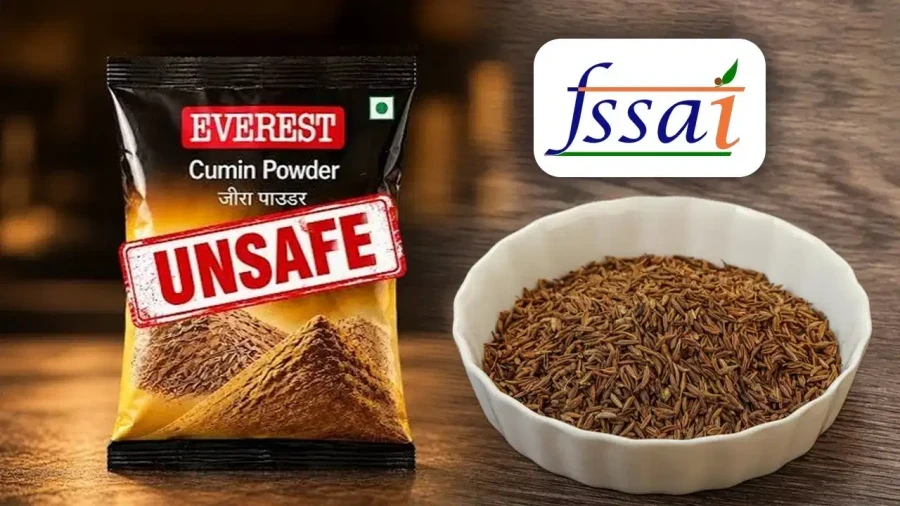
The Food Safety and Standards Authority of India (FSSAI) has taken a significant regulatory step by banning the sale of compounded hing (asafoetida) produced by two prominent brands, Everest Food Products and Laljee Godhoo & Company. This action comes after several samples of their products failed to meet the mandatory quality and safety standards set by the food regulator. The investigation has raised serious concerns regarding the composition and purity of the hing being sold to consumers under these well-known labels.
The Origin of the Investigation
The entire matter came to light following a formal complaint lodged by a consumer, while the complainant had raised specific questions regarding the quality of a particular brand of hing available in the market. Acting on this grievance, FSSAI initiated a comprehensive probe into the quality of hing sold by major brands. During the preliminary phase of the investigation, samples of compounded hing from Everest Food Products and Laljee Godhoo & Company were collected and tested. These initial tests indicated that the products didn't align with the prescribed food safety standards.
Following the preliminary findings, FSSAI intensified its scrutiny. Fresh samples were collected directly from the licensed manufacturing units of both companies located in Mumbai, while these samples were then dispatched to specialized laboratories for detailed analysis to confirm the extent of the deviations from the established norms.
Expansion of the Probe to Gujarat
The investigation wasn't limited to the Mumbai units. FSSAI, in collaboration with the Gujarat Food Department, also conducted raids and collected samples from another manufacturing unit of Everest Food Products located in Umargam, Gujarat. The involvement of state-level food authorities highlights the seriousness of the quality concerns. Upon testing, the samples from the Umargam unit also showed significant deficiencies in meeting the required quality benchmarks, further strengthening the case for regulatory intervention.
Understanding Compounded Hing Standards
To understand the nature of the violation, it's essential to look at what constitutes compounded hing. Compounded hing isn't pure asafoetida; it's a mixture prepared by combining pure hing with other ingredients such as gum, starch, and flour. However, even for this mixture, FSSAI has laid down strict guidelines to ensure that consumers receive a product with a minimum level of actual hing content.
According to the regulations, compounded hing must contain a minimum of 5 percent alcohol soluble extract. This extract serves as a critical metric to determine the actual quantity of pure hing present in the compounded mixture. During the laboratory testing of the samples from Everest and Laljee Godhoo, it was discovered that the alcohol soluble extract levels were alarmingly low, ranging between 0 percent and 3 percent. This indicates that the products contained far less actual hing than what is legally required, leading to the immediate ban on their sale.
Specific Findings for Laljee Godhoo
The investigation also delved into the pure hing varieties offered by Laljee Godhoo & Company. Samples from six different varieties of their hing were subjected to rigorous testing. One of the most critical parameters for pure hing is the starch content. Under the existing food safety rules, the starch content in pure hing shouldn't exceed 1 percent.
However, the lab results for the six samples from Laljee Godhoo revealed a massive deviation from this limit. The starch levels in these samples were found to be between 15 percent and 32 percent. Such high levels of starch suggest significant adulteration or a failure in the manufacturing process to maintain purity, which poses a direct violation of the Food Safety and Standards Act.
Regulatory Action and Legal Framework
In light of these findings, FSSAI has officially prohibited the sale of the affected compounded hing products. This enforcement action has been carried out under the provisions of the Food Safety and Standards Act, 2006. The regulator has emphasized that any product failing to meet the established safety and quality criteria will face strict regulatory consequences to protect public health.
The FSSAI has advised consumers to be vigilant and check the information provided on product packaging. It also recommends staying updated with official announcements regarding food safety, while the action against Everest Food Products and Laljee Godhoo & Company serves as a reminder to food manufacturers about the necessity of adhering to the stringent quality controls mandated by the law.