
- India,
- 23-May-2026 06:52 AM IST



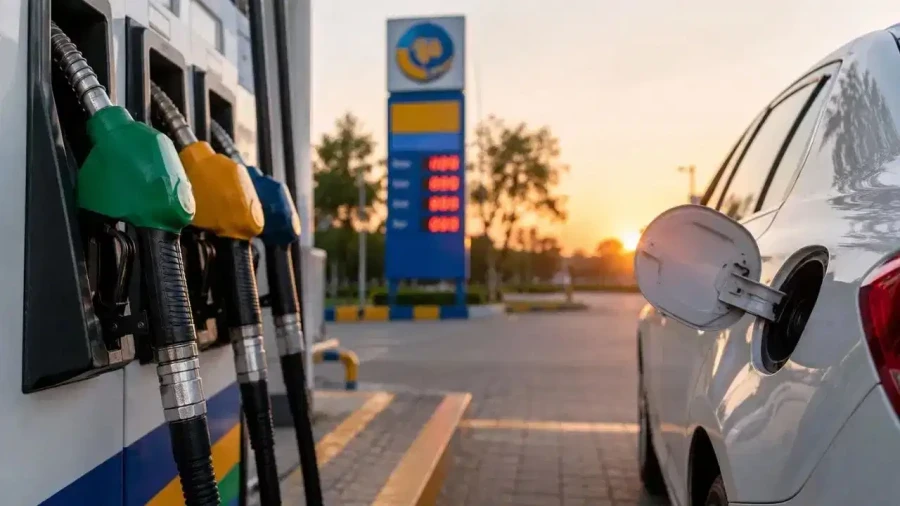
The burden of inflation on the common man is set to increase further as petrol and diesel prices have been hiked once again across the country. In the national capital, Delhi, the price of petrol has risen by 87 paise per litre, while diesel has become costlier by 91 paise per litre. This latest adjustment comes as a significant blow to consumers who are already grappling with high living costs and rising expenses in various sectors.
Third Hike in the Month of May
Notably, this is the third time in the month of May that fuel prices have been increased by the authorities. The frequency of these hikes has caused significant distress among the public. Earlier this week, prices were hiked by 90 paise per litre, and just a few days before that, a substantial increase of 3 rupees per litre was implemented. The continuous and rapid rise in fuel costs has sparked widespread concern among the general public regarding their monthly budgets and overall financial stability.
Impact of Global Crude Oil Prices
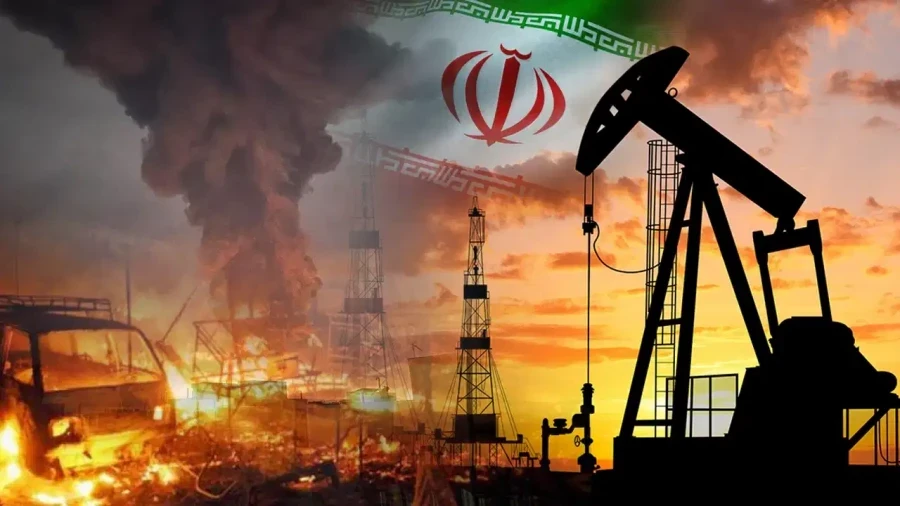
The primary reason behind this surge in petrol and diesel prices is the sharp rise in crude oil rates in the international market. The global oil market remains highly volatile due to ongoing tensions in West Asia and an uncertain atmosphere between the United States and Iran, while these geopolitical factors have led to significant fluctuations that directly impact domestic pricing strategies in India. As global supply chains face pressure, the cost of procurement for oil companies continues to climb.
India's Import Dependency
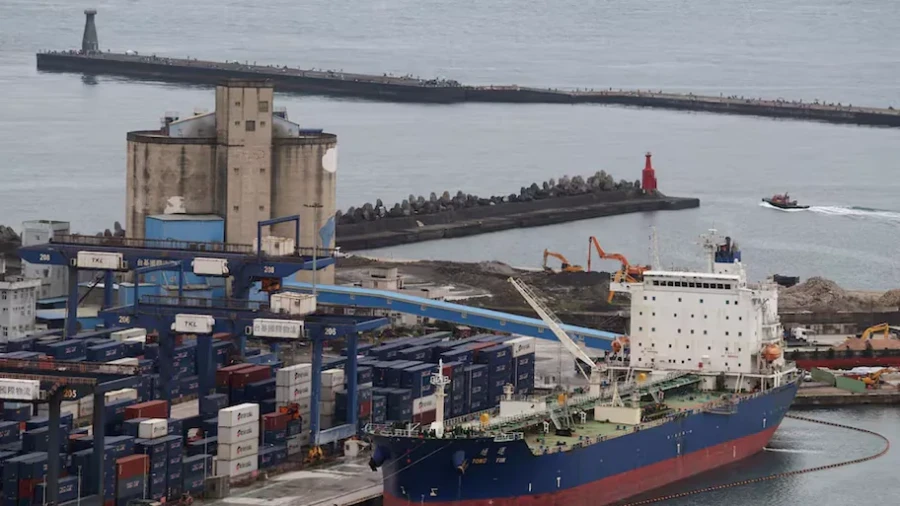
India's dependency on foreign oil is a major factor in these price revisions. The country imports approximately 85 percent of its crude oil requirements from foreign nations. Consequently, any increase in oil prices on the international stage has a direct and immediate impact on fuel prices within the country. On Friday, Brent crude reached above 104 dollars per barrel, while American WTI crude was seen trading near 97 dollars per barrel. These high benchmarks make it difficult for domestic prices to remain low.
Pressure on Oil Marketing Companies
State-run oil marketing companies had kept petrol and diesel prices stable for a long period to provide relief to consumers. However, according to the central government, these companies were incurring massive losses of approximately 1,000 crore rupees every month due to the gap between international costs and domestic selling prices. To mitigate these losses and ensure financial viability, the companies have now started increasing prices gradually. Over the past two years, India attempted to find relief by purchasing cheaper crude oil from Russia. However, due to rising prices in the global market and uncertainty regarding supply chains, the benefits derived from those Russian oil purchases now appear to be diminishing.
Consequences for the Common Man
The impact of rising petrol and diesel prices isn't limited to vehicle owners alone. An increase in fuel costs leads to higher transportation expenses across the board. This rise in logistics costs in turn affects the prices of food items, vegetables, and daily essential goods that rely on transport networks, while there are growing fears that inflation will rise further in the coming days, putting more pressure on the pockets of the common man as the cost of living continues its upward trajectory.