
- India,
- 26-Aug-2026 05:26 PM IST



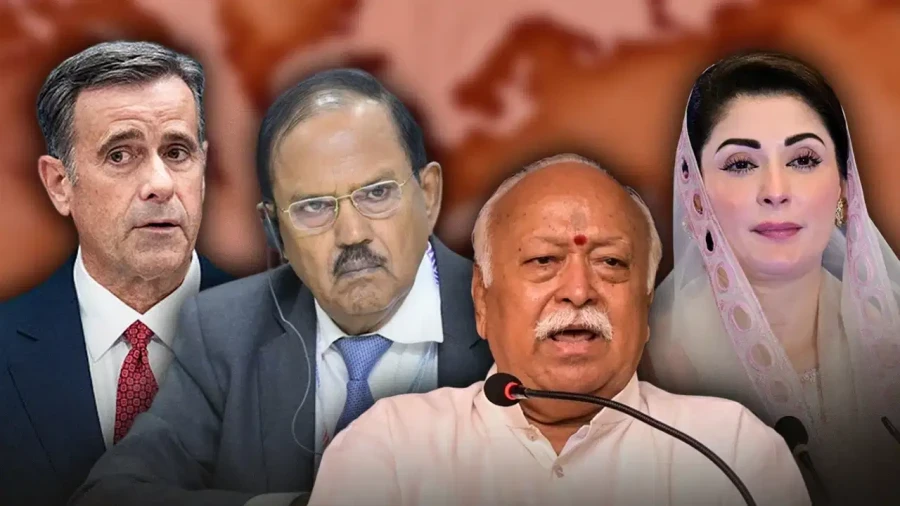
The global political landscape is currently witnessing an extraordinary flurry of diplomatic activity as several high-ranking officials from major world powers embark on significant foreign visits simultaneously. This surge in international movement involves key figures such as India's National Security Advisor Ajit Doval, External Affairs Minister S. Jaishankar, CIA Director John Ratcliffe, and several Indian cabinet ministers. While the stated objectives of these visits vary from strategic security dialogues to economic partnerships, their timing suggests a deeper realignment in global geopolitics. The world is watching closely as these leaders navigate complex issues including the Russia-Ukraine conflict, India-China border tensions, and the pursuit of global investment opportunities.
The Sudden Moscow Visit of CIA Chief John Ratcliffe
In a move that has captured international attention, CIA Director John Ratcliffe arrived in Moscow on 25 August. This visit marks his first trip to Russia since assuming the role of CIA chief and represents a rare instance of a top American intelligence official visiting the Russian capital since William Burns' visit in 2021. Both the CIA and the Kremlin have maintained a high level of secrecy regarding the details of the meeting, choosing not to make the specifics of the discussions public. According to reports from American media outlets, Ratcliffe held meetings with senior Russian officials, although the exact agenda remains officially unconfirmed.
This high-stakes visit occurs against the backdrop of the ongoing Ukraine conflict and appears to be part of an effort to maintain or increase communication channels between Washington and Moscow. Sources familiar with the visit informed The Jerusalem Post that officials from the Trump administration had reportedly requested Ukraine to refrain from launching any attacks on Moscow from Monday to Wednesday to facilitate these talks. Beyond the Ukraine crisis, the issue of Iran is believed to have been a significant point of discussion, given that the strengthening ties between Moscow and Tehran remain a major strategic concern for the United States.
Ajit Doval in China: The 25th Round of Special Representative Talks
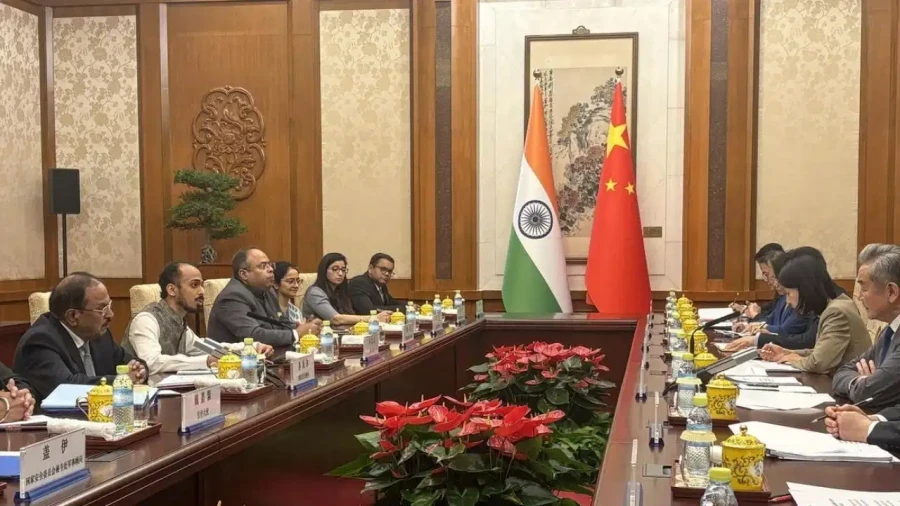
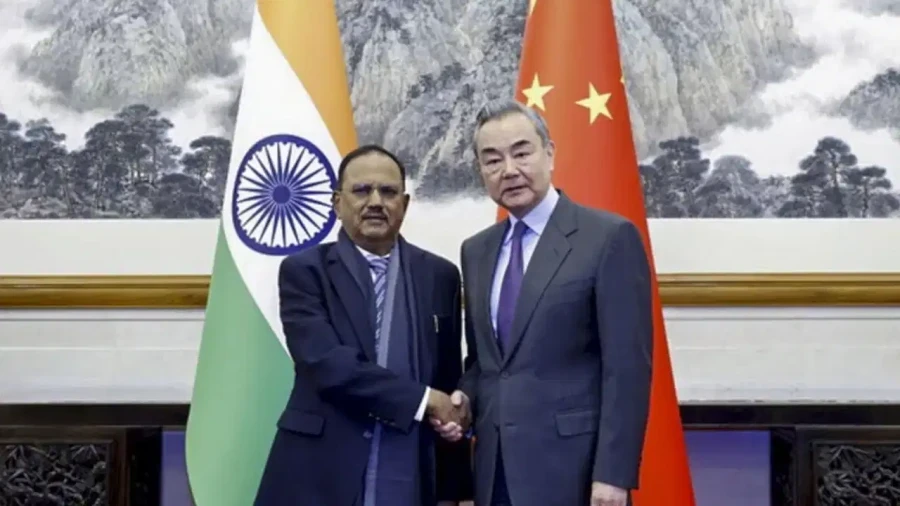
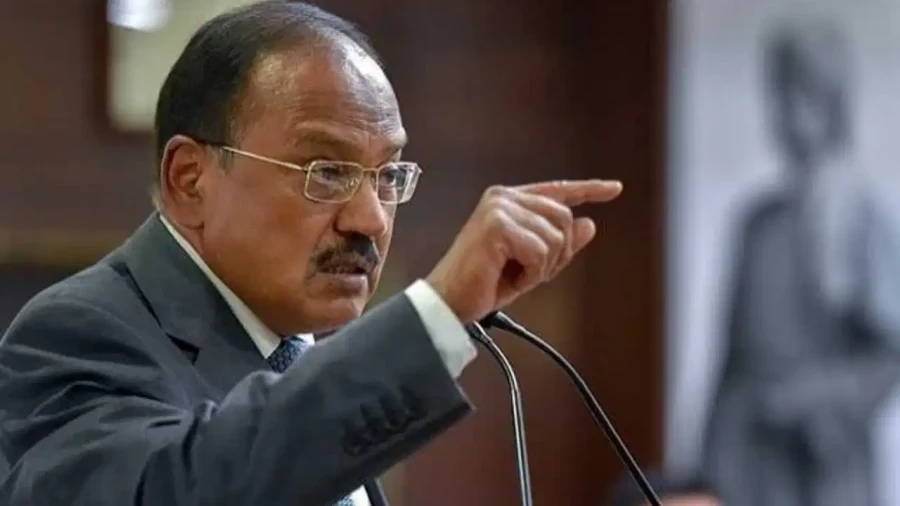
Simultaneously, India's National Security Advisor Ajit Doval was in Beijing on 25 August for a critical diplomatic mission. He engaged with Chinese Foreign Minister Wang Yi for the 25th round of Special Representative talks concerning the India-China border dispute. The primary focus of these discussions was the maintenance of peace and stability along the border, the improvement of bilateral relations, and finding a path forward toward a resolution of the long-standing boundary issues. This visit is particularly significant as it takes place amidst a recent perceived thaw in India-China relations and precedes the BRICS summit scheduled to be held in India in September, while during his stay, Doval also held a meeting with China's Vice President Han Zheng, further emphasizing the high-level nature of this engagement.
S. Jaishankar in Russia: Strengthening Strategic and Economic Ties
External Affairs Minister S. Jaishankar conducted a visit to Russia on 23 and 24 August, where he co-chaired the 27th meeting of the India-Russia Inter-Governmental Commission. The discussions were centered on advancing cooperation across various sectors, including trade, economics, science, technology, and culture. India and Russia share a deep-rooted history of defense and energy cooperation, and this visit aimed to reinforce these pillars while navigating the new global realities shaped by the Russia-Ukraine war and the resulting international pressure on Moscow, while the meeting underscored India's commitment to its strategic partnership with Russia despite the shifting global dynamics.
Piyush Goyal in Japan: India's Largest Business Delegation
Commerce and Industry Minister Piyush Goyal is currently leading a massive 200 member business delegation to Japan from 24 to 27 August. This is being described as the largest-ever Indian business delegation to visit Japan. The itinerary includes major industrial hubs such as Tokyo, Nagoya, and Osaka. The primary objective is to bolster India-Japan trade and investment, with a specific focus on high-tech manufacturing, semiconductors, Artificial Intelligence, and next-generation industries. India is actively seeking to encourage Japanese companies to increase their investment footprint within the Indian market, leveraging Japan's technological prowess to fuel India's industrial growth.
Nirmala Sitharaman in Canada and the US: The Investment Agenda
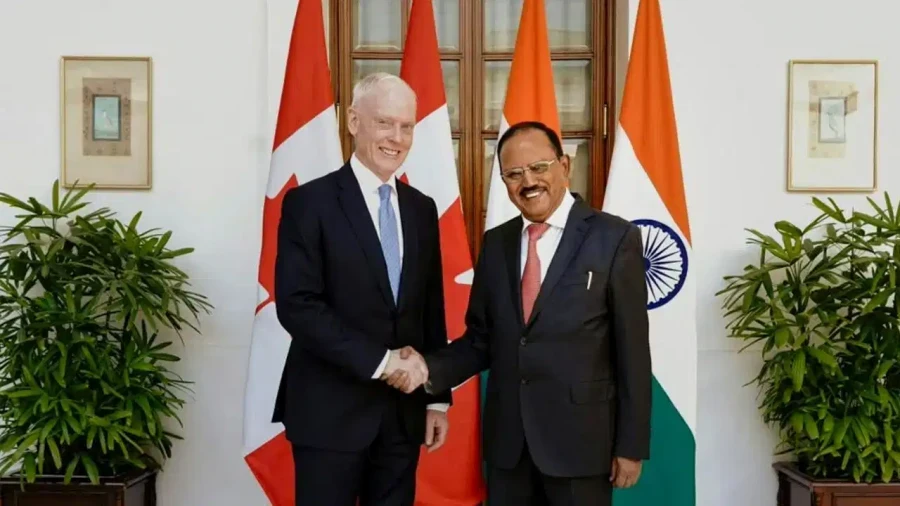
Finance Minister Nirmala Sitharaman is on an extensive tour of Canada and the United States from 25 August to 2 September. In Canada, she's participating in the inaugural India-Canada Economic and Financial Dialogue, where key topics include energy, critical minerals, AI, technology, investment, and supply chain resilience. Her US itinerary is equally packed, with visits to Chicago, Asheville, and New York. In Asheville, she will represent India at the G20 Finance Ministers and Central Bank Governors meeting on 31 August and 1 September under the US presidency. Her visit to New York will involve high-level meetings with investors and participation in the Nasdaq bell-ringing ceremony, highlighting India's economic outreach to global financial markets.
Global Outreach: Mohan Bhagwat and Maryam Nawaz
The diplomatic flurry extends beyond government officials. RSS Chief Mohan Bhagwat began a tour of the United States, Canada, and the United Kingdom on 25 August. This visit is part of a global outreach campaign coinciding with the RSS centenary year. In the US, he's scheduled to interact with the Indian-American community, including a major event at New York's Madison Square Garden on 29 August, which is expected to draw over 5000 attendees. The focus is on strengthening ties with the Indian and Hindu diaspora and sharing perspectives on India's role in the world, while meanwhile, Maryam Nawaz Sharif, the Chief Minister of Pakistan's Punjab province, also arrived in China on 25 August for a four-day official visit. Starting her tour in Urumqi, Xinjiang, her focus is on enhancing cooperation in agriculture, technology, and investment between Punjab and China, including agreements on smart farming and digital crop monitoring.
Analyzing the Global Trends
When viewed collectively, these international visits reveal three significant global trends. First, there is a clear increase in back-channel communication between the United States and Russia, as evidenced by the CIA chief's visit, while second, India is demonstrating a sophisticated multi-alignment strategy, engaging simultaneously with Russia, China, Japan, Canada, and the US to address its diverse strategic and economic needs. Third, there is a visible effort by both India and Pakistan to strengthen their respective economic and strategic ties with China. These movements indicate that India's foreign policy isn't moving in a single direction but is instead focused on balancing relationships with all major global powers based on specific national interests.