
- India,
- 31-Jul-2026 03:14 PM IST



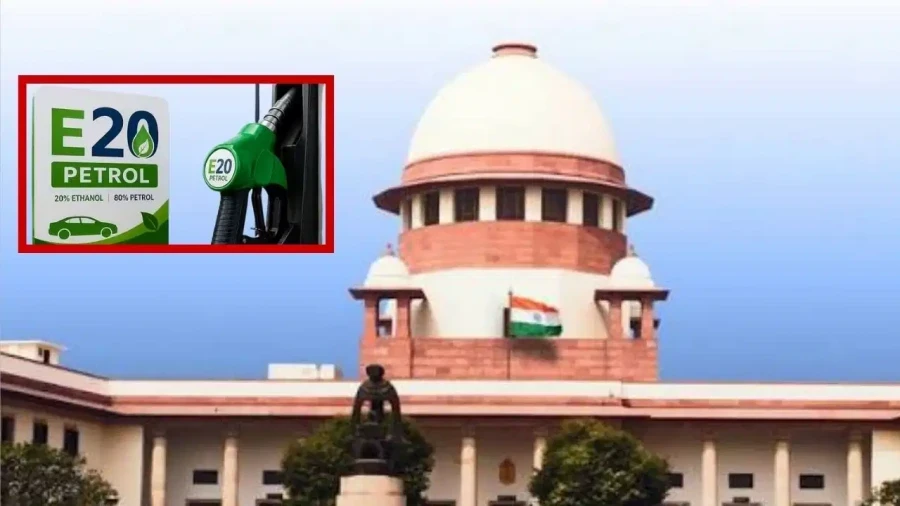
The Central Government has provided a detailed explanation in Parliament regarding the impact of ethanol blending on petrol prices in India, while during a session in the Lok Sabha, the government clarified how the ethanol blending policy has served as a buffer against rising global fuel costs. It was stated that if the policy of blending ethanol with petrol had not been implemented, the retail price of petrol could have soared to 125 rupees per liter during the peak of the Middle East crisis. This revelation highlights the strategic importance of the ethanol program in maintaining domestic fuel price stability amidst volatile international markets.
The Mathematical Breakdown of Fuel Prices
In a written response to a query in the Lok Sabha, Suresh Gopi, the Minister of State for Petroleum and Natural Gas, explained the complex mathematics behind fuel pricing. He pointed out that during the Middle East crisis, when the price of crude oil reached approximately 135 dollars per barrel, the domestic price of petrol in India was at risk of reaching 125 rupees per liter. 77 rupees per liter. This significant difference demonstrates the direct financial relief provided to the common man through the integration of ethanol into the fuel supply chain.
Safety and Performance of E20 Fuel
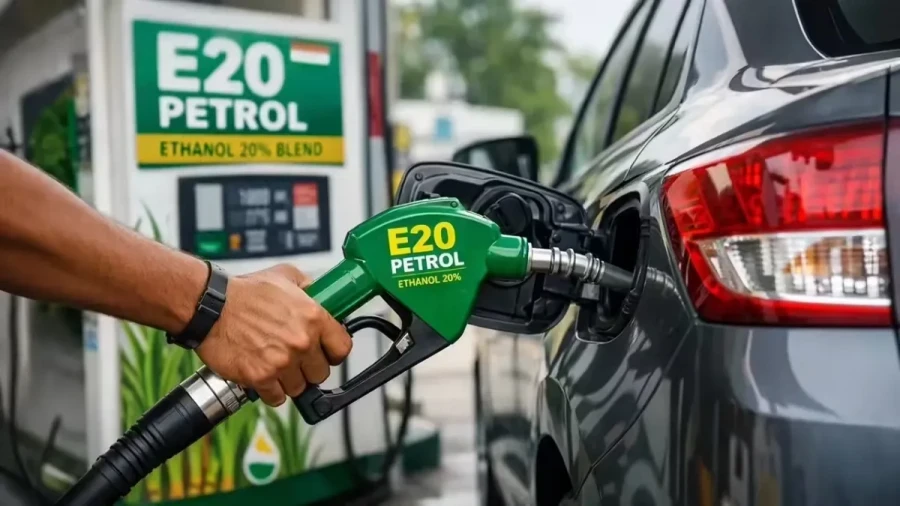
Addressing concerns regarding the technical impact of blended fuel, the government clarified that there is no evidence to suggest that E20 petrol causes damage to the engines of either old or new vehicles. Before the implementation of E20 fuel, extensive and rigorous testing was conducted in collaboration with several key organizations. These included the Automotive Research Association of India (ARAI), the Society of Indian Automobile Manufacturers (SIAM), Indian Oil, and various vehicle manufacturers. The results of these comprehensive tests confirmed that there is no major negative impact on engine capacity, overall performance, or the longevity of engine parts. The government emphasized that the transition to E20 has been backed by scientific validation to ensure consumer confidence.
Widespread Adoption Across India
The scale of ethanol-blended petrol usage in India is massive, with millions of vehicles already operating on this fuel for several years. According to government data, more than 20 crore two-wheelers and over 3 crore petrol-powered cars are currently running on ethanol-blended fuel across the country. Despite this large-scale utilization, there have been no widespread reports or complaints regarding engine failure, corrosion, or premature wear and tear of vehicle components, while this track record serves as a testament to the compatibility of the blended fuel with the existing automotive ecosystem in India.
Economic Benefits and Support for Farmers
Beyond controlling petrol prices, the ethanol blending program offers multifaceted benefits to the national economy and the agricultural sector. The government stated that oil companies procure ethanol not only to ensure a sufficient fuel supply but also to provide vital support to the agricultural community. By sourcing ethanol from crops, the policy helps in increasing the income of farmers and strengthening the rural economy. Plus, the program plays a crucial role in reducing India's expenditure on foreign exchange and decreasing the nation's heavy reliance on crude oil imports. The government maintains that the ethanol blending initiative will continue to be a cornerstone of India's energy security strategy while simultaneously empowering the farming population.