
- India,
- 21-Sep-2026 02:48 PM IST



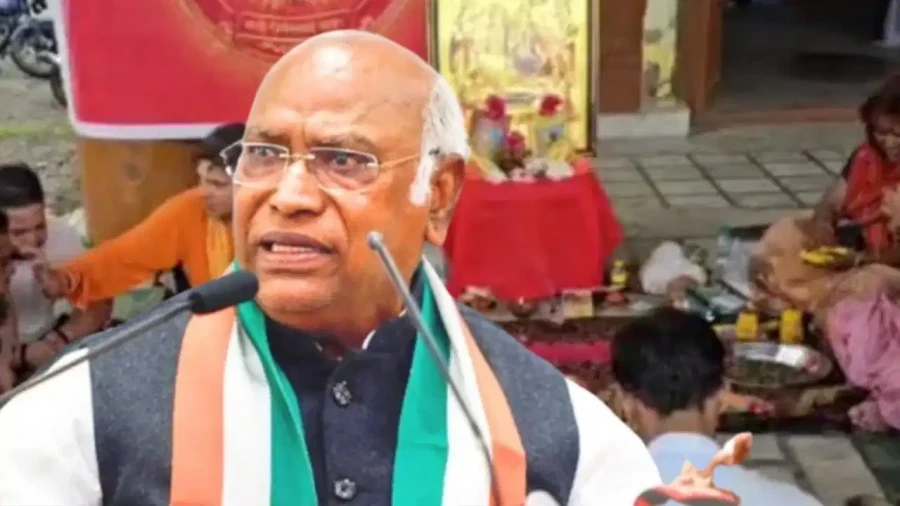
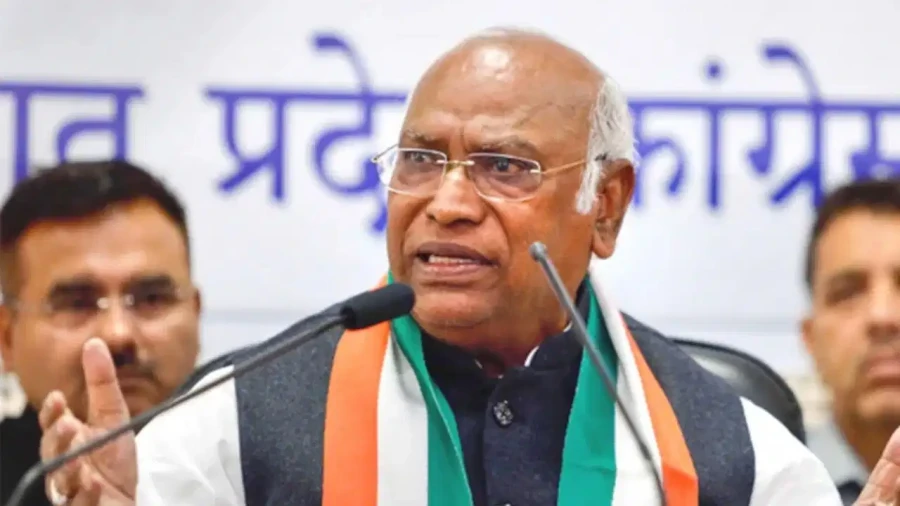
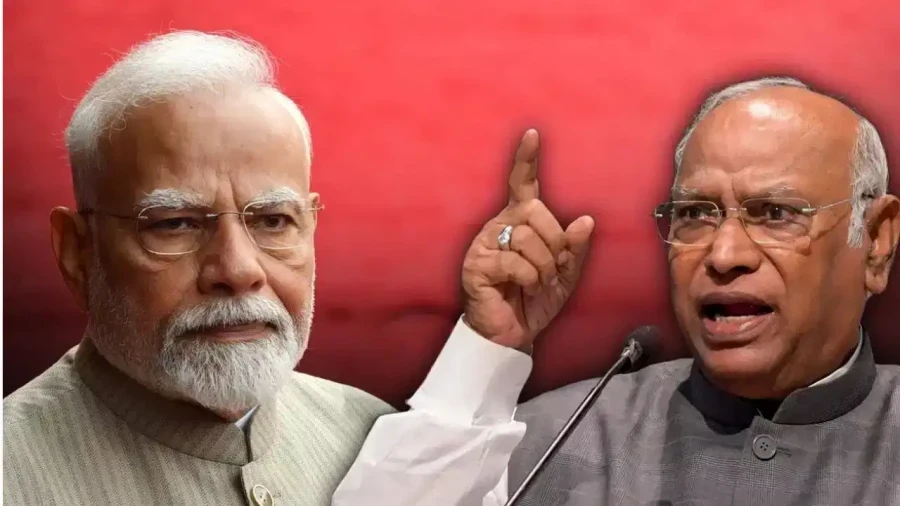
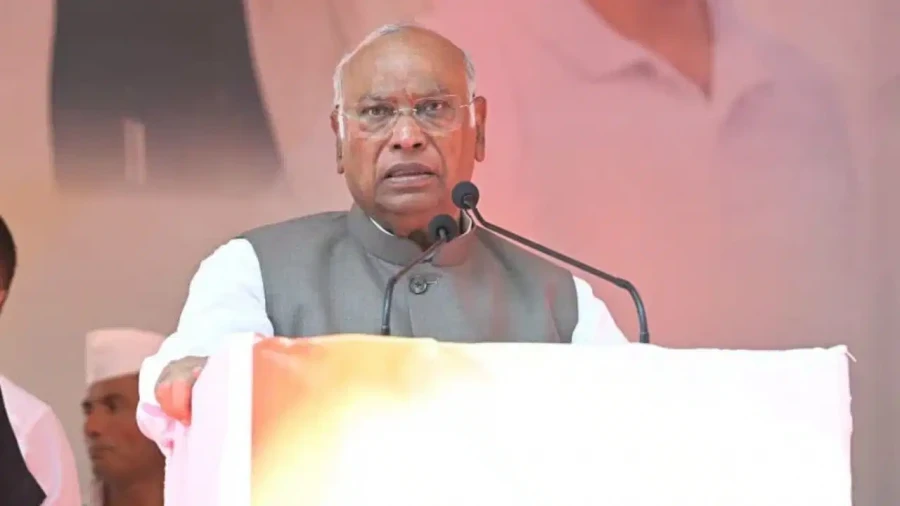
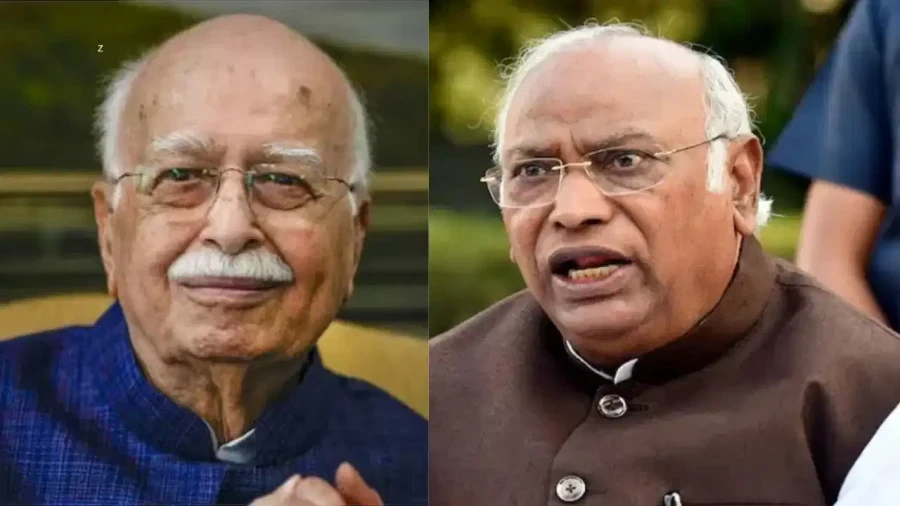
Congress President Mallikarjun Kharge has launched a blistering attack on the Central Government and the Election Commission regarding the Special Intensive Revision (SIR) process currently underway in Delhi. Kharge described the SIR as not just a tool for the Bharatiya Janata Party (BJP) to steal votes and dismantle democracy, but also as a flawed process that has turned into a Frankenstein Monster. According to Kharge, this creation has now begun to trap the very people associated with the ruling party, as several high-profile leaders and dignitaries have received notices under this process. The Congress President expressed his concerns over the integrity of the electoral process and the impact of these revisions on the democratic fabric of the nation.
The Concept of the Frankenstein Monster
In his critique, Mallikarjun Kharge used the metaphor of Frankenstein's Monster to describe the SIR process. In common parlance, a Frankenstein's Monster refers to a creation or a technology that eventually becomes lethal to its own creator and leads to their destruction. The term originates from the story of a scientist named Frankenstein who created a monster that he could no longer control. Kharge argued that the BJP initiated this process to manipulate the electoral rolls, but it has now backfired, leading to notices being served to their own senior leadership and prominent figures. He emphasized that this flawed process is now causing chaos within the ranks of those who supported it.
High Profile Notices and VIP Voters
The Special Intensive Revision process in Delhi has seen notices being sent to several prominent individuals. According to the source, those who have received notices include former Vice President Jagdeep Dhankhar, former Deputy Prime Minister Lal Krishna Advani, and the current External Affairs Minister S Jaishankar. Also, notices were issued to Chief Minister Rekha Gupta and the Lieutenant Governor (LG) of Delhi, Taranjit Singh Sandhu. The list of recipients also includes various Rajya Sabha MPs, former Union Ministers, and former Chief Ministers. Kharge pointed out that even Bharat Ratna awardee scientists and former Navy Chiefs have not been spared from this process. Election officials stated that these notices were issued after discrepancies were found in the enumeration forms submitted by the voters.
Questions on Voter Deletion and Constitutional Principles
Mallikarjun Kharge raised serious questions about the basis on which voters are being removed from the lists. He cited the example of West Bengal, where he claimed that 93 percent of the people whose names were removed and who were prevented from voting won their appeals. This means that 113943 people will have to be reinstated in the voter list. Kharge questioned the grounds on which their right to vote was initially taken away. He also criticized the Election Commission for its recent press release describing VIP or marked electors. Kharge asked whether there is now a special category of voters in India's Universal Adult Franchise, creating a divide between VIP voters and common voters. He argued that this goes against the constitutional principle of One Person, One Vote, One Value, questioning if a VIP vote has now become more valuable than that of an ordinary citizen.
Scale of the SIR Process
The Congress President highlighted the massive scale of voter removal across the country. 8 crore voters were removed from the lists. 78 crore voters in the country. Kharge accused the authorities of remaining silent on the removal of millions of common voters while issuing press releases for VIPs. He noted that the SIR process, which began in Bihar, has now reached Delhi, making the ruling establishment realize why the Congress party had been calling this process flawed from the very first day. Kharge's remarks underscore a deep-seated concern regarding the transparency and fairness of the current electoral revision mechanisms.