
- India,
- 31-May-2026 07:29 AM IST



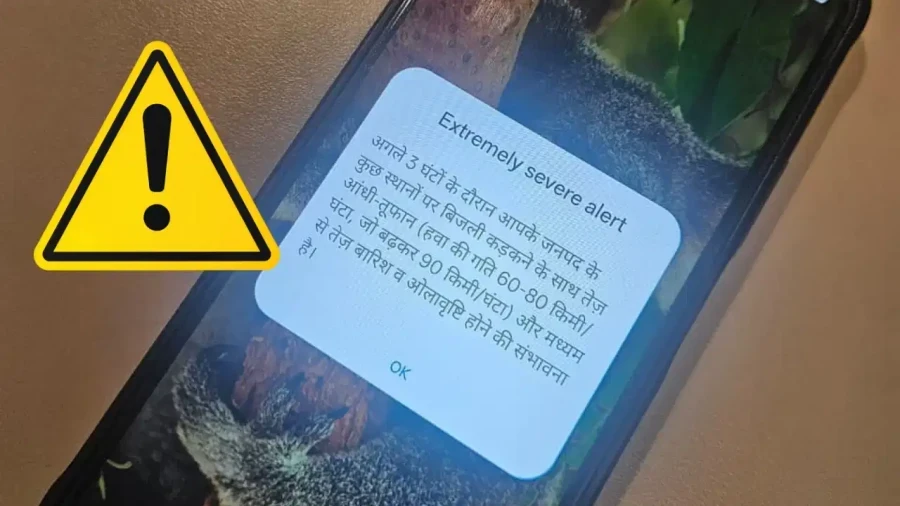
The Government of India, through the National Disaster Management Authority (NDMA), has taken a significant step forward in disaster preparedness by implementing a nationwide emergency alert system. Following successful testing phases, the government has now started issuing real-time alerts for severe weather conditions such as thunderstorms, heavy rain, and hailstorms directly to citizens' mobile phones. Recently, many individuals across various regions experienced this system firsthand when their smartphones began emitting a loud, distinctive alert tone accompanied by an Extremely Severe Alert message on their screens. This initiative marks a transition from traditional warning methods to a more direct and immediate communication channel, ensuring that life-saving information reaches the public without delay.
The Mechanism of the New SOS Alert System
The newly launched SOS alert system is designed as an emergency warning service that bypasses the standard SMS protocol. Unlike a regular text message, these alerts appear as a pop-up on the mobile screen and are accompanied by a high-decibel sound, even if the phone is on silent or do-not-disturb mode. The primary objective of this technology is to disseminate critical information during severe weather or other disaster situations with maximum speed. By appearing directly on the screen with a loud notification, the system ensures that the user notices the warning immediately, which is crucial during time-sensitive emergencies where every second counts.
Advance Warnings for Storms and Rain
With this system in place, severe weather warnings from the India Meteorological Department (IMD) will now reach smartphones instantly. If a particular area is under threat from intense thunderstorms, heavy rainfall, hailstorms, or lightning, the residents of that specific locality will receive a localized alert, while in a recent instance, the system issued a warning for the next 3 hours, predicting lightning, intense storms, and wind speeds ranging from 60 to 80 kilometers per hour. In some locations, these wind speeds were expected to reach as high as 90 kilometers per hour. Such proactive warnings provide citizens with the necessary time to seek shelter, secure their property, and take essential precautions before the weather turns hazardous.
Revolutionizing Disaster Management
The mobile-based wireless emergency alert system is being hailed as a major milestone in making disaster management more effective, while this system utilizes Cell Broadcast technology, which allows the government to send a single warning message to all smartphones within a specific geographical area simultaneously. Historically, weather warnings were primarily disseminated through television, radio, or news outlets, which often resulted in delays or missed information for those not actively monitoring those channels, while now, the information reaches the affected individuals directly on the device they carry with them at all times. This ensures that people can stay alert to events like storms, floods, earthquakes, and lightning strikes well in advance.
Future Scope and National Security
Beyond weather-related disasters, the government intends to use this strong alert system for a wider range of emergencies. The infrastructure is capable of being deployed during national crises such as war, terrorist threats, or other significant public safety emergencies. Given the widespread penetration of smartphones across India, this system is considered the most effective medium for rapid mass communication. By leveraging the reach of mobile networks, the National Disaster Management Authority aims to minimize the loss of life and property by ensuring that every citizen is informed and prepared for any impending danger.