
- India,
- 30-Jul-2026 12:24 PM IST



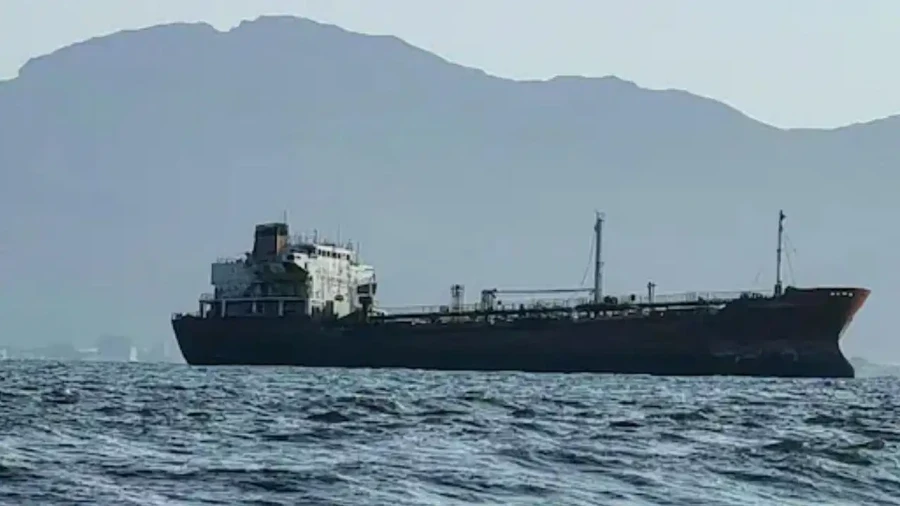
The geopolitical landscape of the Middle East is witnessing a significant escalation as Yemen's Houthi rebels, backed by Iran, are reportedly planning to impose transit fees on vessels navigating through the Bab al-Mandab Strait. This strategic waterway, which serves as a vital artery for international commerce, could see a major shift in its operational dynamics if these plans are implemented. The proposal comes at a time when tensions in the region are already heightened due to ongoing conflicts and the Houthis' recent declaration of a maritime blockade against Saudi Arabia. According to reports from Reuters, this move could have far-reaching consequences for the global supply chain, particularly affecting the transport of crude oil, Liquefied Natural Gas (LNG), and general cargo.
The Iranian Connection and Regulatory Framework
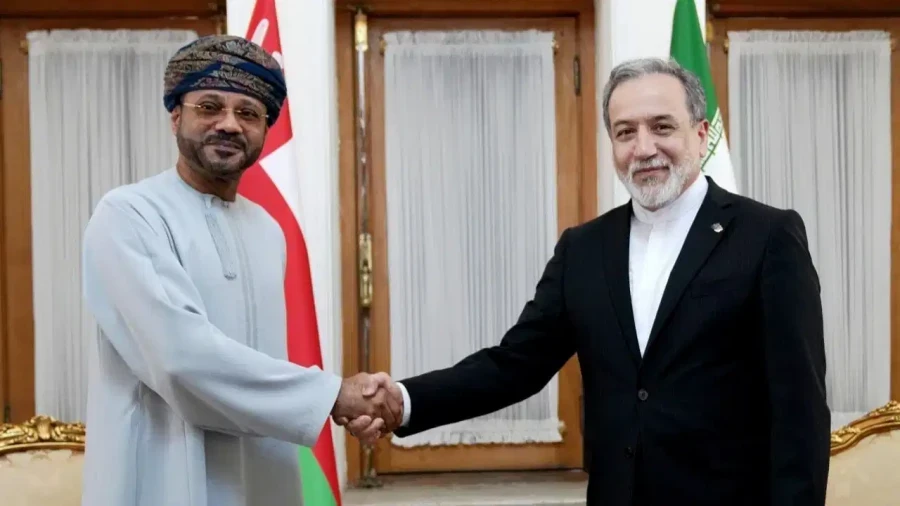
The discussions regarding the imposition of transit fees were reportedly held between Houthi representatives and Iranian officials. This meeting took place during the funeral ceremonies for Iran's late Supreme Leader, Ayatollah Ali Khamenei, where a Houthi delegation was present, while sources indicate that the Iranian leadership has not only supported the idea but has also advised the Houthis to establish a dedicated regulatory body. This body would be responsible for the systematic monitoring, management, and collection of transit fees from ships passing through the Bab al-Mandab Strait. While the intent has been signaled, a specific timeline for the implementation of these charges has not yet been finalized, leaving the international shipping community in a state of uncertainty.
Strategic Exemptions for Chinese Vessels
In a notable twist to the proposed plan, reports suggest that Chinese vessels may be granted an exemption from these transit fees. Sources claim that direct negotiations have taken place between China and the Houthi group in recent months. The primary objective of these talks is to ensure the safety and unhindered passage of Chinese commercial and energy vessels through the southern Red Sea. China remains the largest importer of crude oil from Saudi Arabia, making the Red Sea route strategically indispensable for its energy security. This potential exemption highlights the complex diplomatic maneuvering occurring behind the scenes in the maritime conflict zone.
Concerns Raised by the Recognized Yemeni Government
The internationally recognized government of Yemen has expressed deep concern over these developments. Afrah al-Zoba, the designated Foreign Minister of the recognized government, stated to Reuters that the Houthis are actively attempting to consolidate their control over the Red Sea. She warned that if the rebels succeed in establishing this control, they will undoubtedly move forward with their plan to extort transit fees from international shipping. This move is seen by the government as an illegal attempt to monetize a global commons and further destabilize the region.
The Critical Importance of the Bab al-Mandab Strait
To understand the gravity of this proposal, one must look at the strategic significance of the Bab al-Mandab Strait. Located between Yemen and the Horn of Africa, it connects the southern Red Sea to the Gulf of Aden. It's recognized as one of the world's most critical maritime chokepoints.
Impact on Global Energy and Trade Stability
The potential imposition of transit fees or increased security risks in this area poses a direct threat to global energy supplies. Every day, approximately 40 lakh to 80 lakh barrels of crude oil, along with significant quantities of LNG, are transported through this strait to various parts of the world. If the Houthis proceed with their plan, the immediate result would be a spike in shipping costs. This increase would inevitably trickle down to oil prices, disrupt global supply chains, and impact international trade volumes. On top of that, such a move is likely to deepen the existing conflict between the Houthis and the United States and its allied nations, potentially leading to a broader military confrontation in the Red Sea region.