
- India,
- 26-Aug-2026 11:56 AM IST



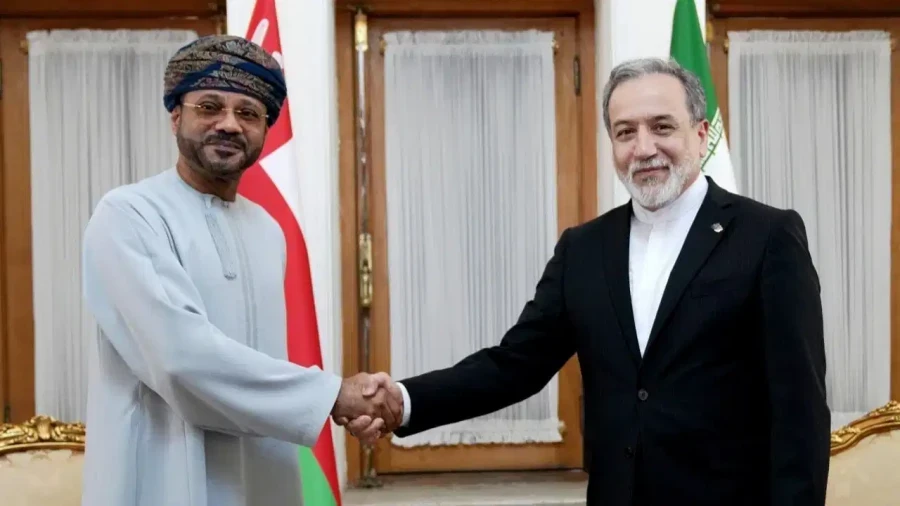
In a significant diplomatic development aimed at stabilizing one of the world's most critical maritime chokepoints, Iran and Oman have reached a preliminary agreement to establish a temporary maritime corridor in the Strait of Hormuz. This move is designed to facilitate the safe passage of vessels through the strategic waterway, which has seen heightened tensions and security threats in recent months. The discussions between the two nations also focused heavily on the critical task of clearing sea mines from the area to ensure the safety of international shipping.
Strategic Importance of the New Corridor
The Strait of Hormuz is a vital artery for global energy markets. Before the onset of recent conflicts, approximately 20 percent of the world's total oil and Liquefied Natural Gas (LNG) supply passed through this narrow passage. The agreement between Iran and Oman to create a joint temporary navigational corridor marks a potential turning point in restoring the flow of these essential resources. Iranian officials have indicated that these talks with Oman were revitalized despite ongoing tensions with the United States and significant economic pressures, while the dialogue regarding this waterway has been ongoing for several weeks, culminating in Tuesday's discussion about the joint temporary navigational corridor. Both nations have expressed a mutual commitment to removing sea mines from this path to mitigate risks to commercial shipping.
Security Challenges and Recent Incidents
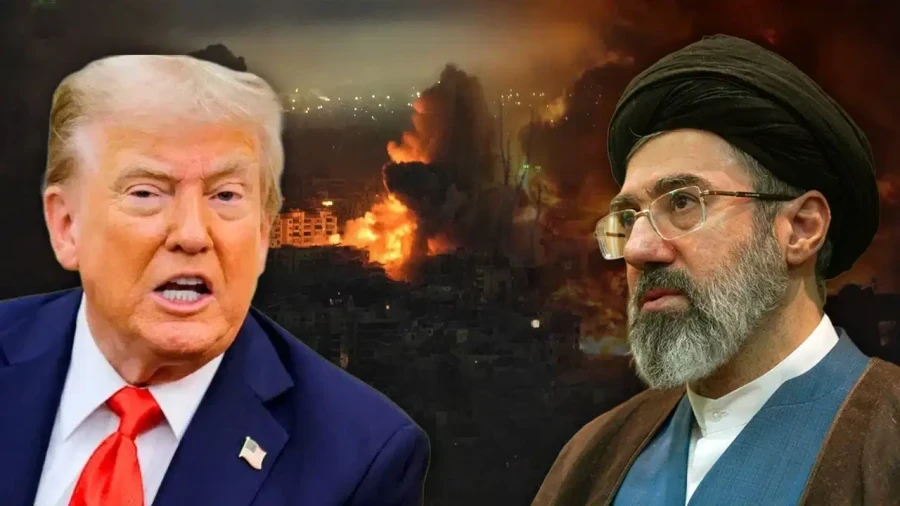
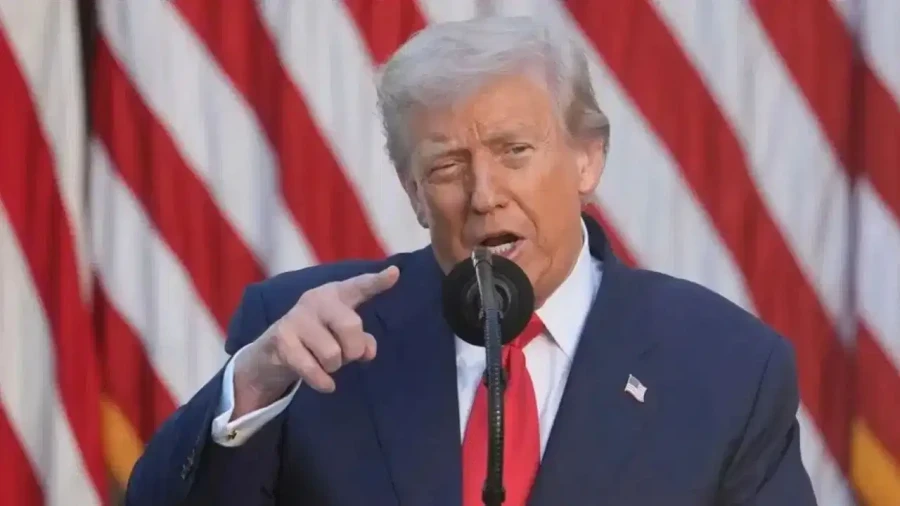
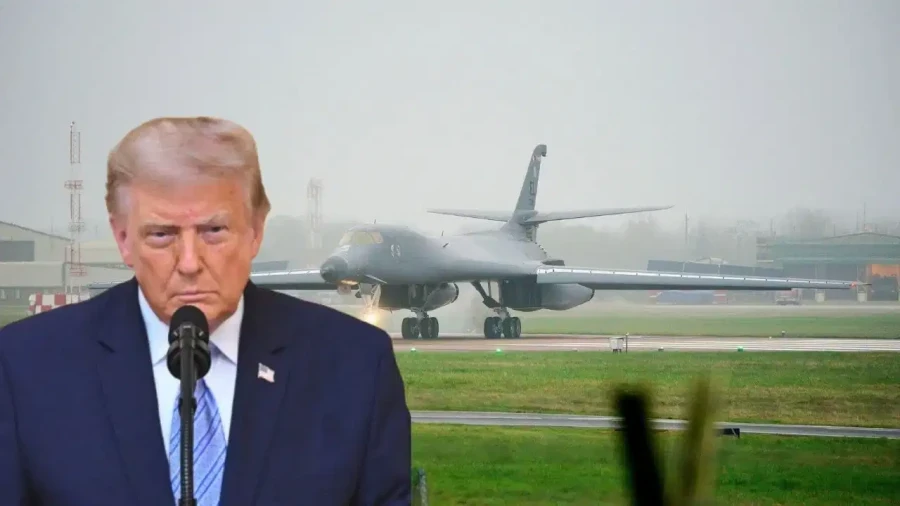
Despite the diplomatic progress, the region remains fraught with danger. While former US President Donald Trump has previously claimed that all sea mines have been removed from the Strait of Hormuz, the reality on the ground suggests otherwise. Although direct military confrontation between the United States and Iran has decreased in intensity, the absence of a formal peace agreement means that navigating the strait remains a hazardous endeavor. A recent incident on Tuesday highlighted these persistent risks when an oil tanker was struck by an unknown projectile approximately 9 nautical miles, or 17 km, northeast of the Ash Shishah area in Oman. According to the United Kingdom Maritime Trade Operations (UKMTO), the tanker was rendered unable to proceed after the attack.
Political Tensions and Alleged Plots
The geopolitical situation is further complicated by alarming reports involving high-profile figures. The US Secret Service recently acknowledged a video broadcast on Iranian state television which allegedly discussed a plot to assassinate Barron Trump, the 20 year old son of former President Donald Trump. The video claimed that Barron Trump is under surveillance and that a bounty of 10 million dollars has been placed on his life. This revelation adds a layer of personal and political tension to the already strained relations between Washington and Tehran.
Economic Pressure and Diplomatic Shifts
The United States continues to exert significant economic pressure on Iran. Washington has issued warnings to other nations, threatening penalties for those that continue to conduct business with the Iranian economy. However, the US has clarified that it won't impose these sanctions immediately, while in a move that suggests a slight de-escalation in the perceived risk of immediate conflict, the United States has begun returning some embassy staff to various locations in the Middle East. These employees had been withdrawn earlier when tensions with Iran were at their peak. While some embassies won't yet operate at full capacity, the return of personnel indicates that the US currently views the threat of a major escalation as having subsided slightly.
Domestic Impact and Human Cost
The ongoing conflict has had a profound impact on both regional stability and domestic politics in the United States. A recent Reuters/Ipsos survey indicates that public support for the war in the US has reached its lowest point since the conflict began. Also, Donald Trump's popularity has hit record lows as the US approaches the congressional elections in November. The human cost of the struggle has been devastating, with thousands of fatalities reported, the majority of whom are from Iran and Lebanon. While the United States and Israel have Notably degraded Iran's conventional military capabilities, the status of Iran's nuclear program remains a point of intense concern, while both the US and Israel maintain a firm stance on the necessity of dismantling Iran's nuclear ambitions, though the current progress of the program remains unclear.