
- India,
- 11-Oct-2026 06:04 PM IST



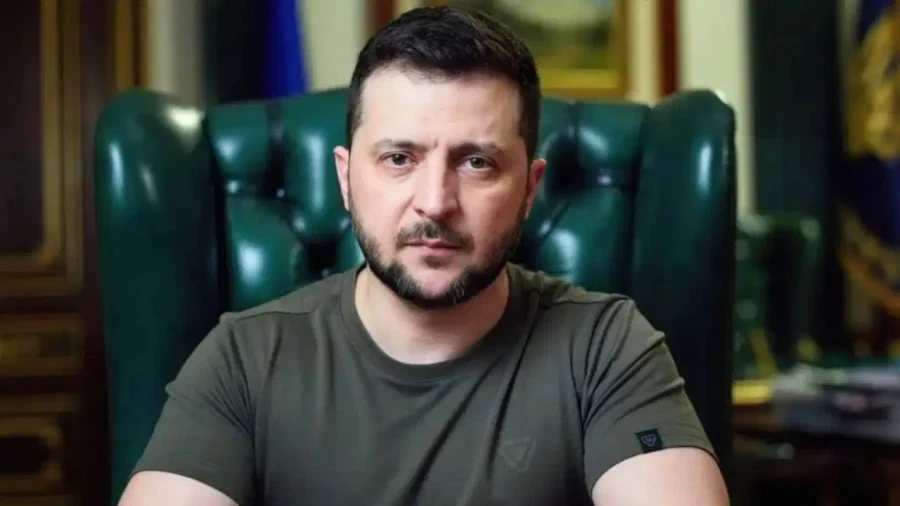
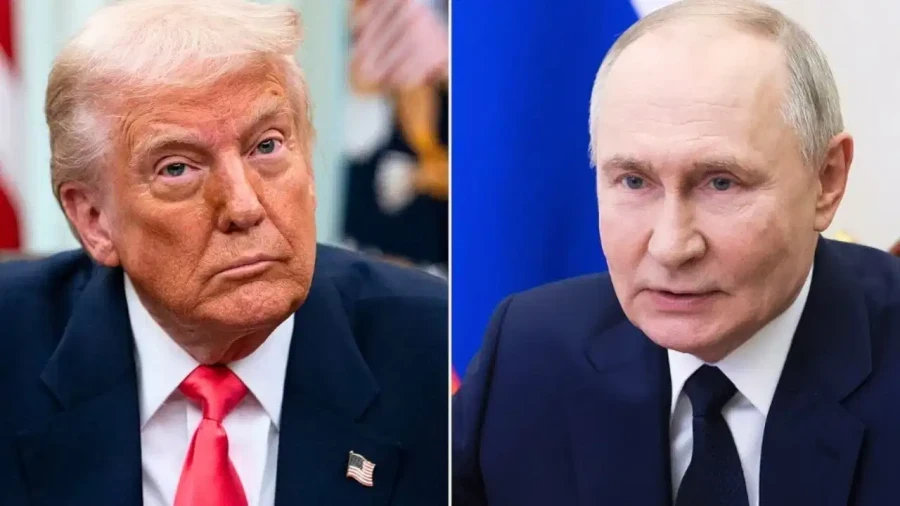
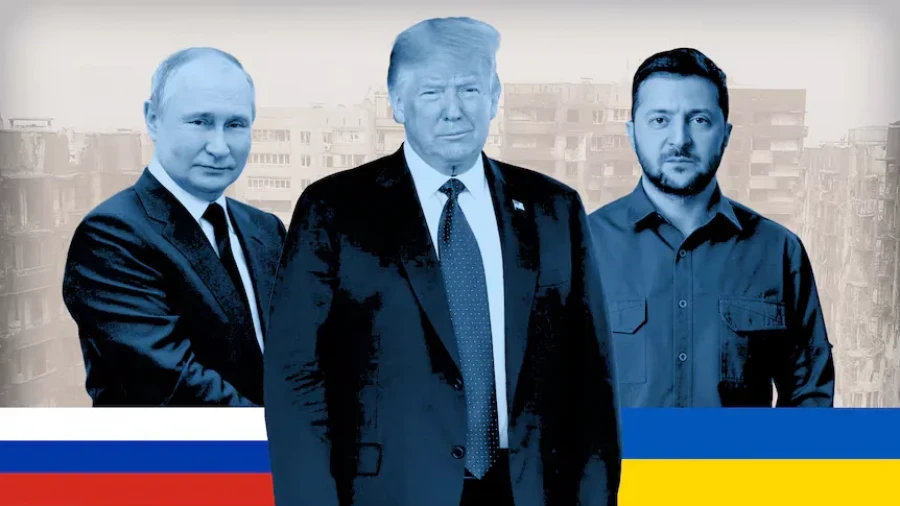
United States President Donald Trump has sparked a significant diplomatic controversy by demanding the replacement of Ukrainian President Volodymyr Zelenskyy. Trump has publicly stated that Ukraine should elect a new leader who is capable of reaching a peace agreement with Russia to end the ongoing conflict. This demand comes at a critical juncture as the United States has entered into a diesel supply agreement with Russia, a move that has faced stiff opposition from the Ukrainian leadership. Zelenskyy has criticized the deal, arguing that easing sanctions on Russia provides President Vladimir Putin with the financial resources necessary to sustain the war effort. This escalating tension between the two leaders isn't merely a war of words but is deeply rooted in the complexities of the Russia-Ukraine war, rising fuel costs in America, and the upcoming US midterm elections in November.
The Core Reasons Behind Trump's Demand
During a press briefing at the White House on 10 October, Trump explicitly suggested that Ukraine needs a change in leadership. He alleged that Zelenskyy had multiple opportunities to reach a settlement with Russia but failed to capitalize on them. A major point of contention for Trump is the series of Ukrainian attacks on Russian oil refineries. Trump expressed frustration that these strikes have disrupted Russian diesel production, leading to a surge in global fuel prices. According to reports from Axios, US officials had warned Ukraine at least 6 times to cease attacks on these refineries. Trump emphasized that such military actions must stop to stabilize the energy market, noting that he had personally asked Zelenskyy to halt these operations, yet the attacks continued.
The Controversial Russia-US Diesel Agreement
The friction intensified following a 90 minute telephone conversation between Trump and Putin on 9 October. Shortly after this call, the United States decided to temporarily ease sanctions on Russian diesel exports. These sanctions had been implemented a year ago to drain Russia's war chest. Trump's current strategy aims to bring Russian diesel back into the global market to alleviate price pressures, while following this move, on 10 October, Russia also lifted some of its own restrictions on diesel exports with immediate effect. Zelenskyy has condemned this decision as a sign of weakness, stating that providing economic relief to Russia is akin to investing in the continuation of the war. He further alleged that this significant policy shift was made without consulting Ukraine.
Escalation of Violence and Civilian Casualties
The diplomatic fallout coincided with a tragic escalation on the ground, while on 10 October, Russia launched a devastating attack on the southern Ukrainian city of Zaporizhzhia, resulting in the deaths of 20 people. Among the victims were three children, including a 6 year old girl. The strike reduced a residential building to rubble. Zelenskyy pointed out that Russia responded to the easing of sanctions by dropping five bombs on civilian structures. This was the third major attack resulting in high civilian casualties within a single week. Earlier strikes on Wednesday and Thursday had already claimed the lives of approximately 80 civilians, including 30 deaths in Kramatorsk and 22 in Pryluky, located about 130 km east of Kyiv.
Economic Pressures and the US Midterm Elections
The domestic economic situation in the United States is a significant factor in Trump's policy shift. Due to ongoing conflicts involving Iran, the international energy market is under immense pressure. Reports indicate that the average price of diesel in the US surpassed 6 dollars per gallon in September. High diesel costs directly impact the logistics, farming, and freight industries, increasing the overall cost of living. With the US midterm elections scheduled for November, rising fuel prices represent a major political challenge for Trump and the Republican Party. Stabilizing diesel prices through Russian imports is seen as a strategic move to appease domestic voters.
Legal and Constitutional Barriers in Ukraine
Despite Trump's demands, the United States doesn't have the legal authority to remove or appoint the President of Ukraine. According to Article 103 of the Ukrainian Constitution, the President is elected by the citizens of Ukraine for a 5 year term. Zelenskyy assumed office in 2019, and while the next regular election was slated for 2024, it has been postponed due to the imposition of wartime martial law. Ukrainian law explicitly prohibits holding presidential elections while martial law is in effect, while Plus, Article 108 of the Constitution stipulates that the incumbent president remains in office until a newly elected successor takes charge. That's why, while Trump's statements exert political pressure, they don't carry the legal weight to force Zelenskyy from power.
The Future of Peace Negotiations
Efforts to find a diplomatic solution continue amidst the tension. On 9 October, a meeting was held in Miami involving officials from the US, Ukraine, and European nations to draft a joint peace proposal. However, the announcement of the US-Russia diesel deal during these talks reportedly blindsided the Ukrainian delegation. Meanwhile, Putin has indicated that immediate peace talks are unlikely to resume, citing Ukrainian drone attacks on Moscow as a primary obstacle. According to the Russian state news agency TASS, US negotiators Steve Witkoff and Jared Kushner are expected to travel to Moscow within the next two weeks to further discuss potential resolutions to the conflict.
📹 ‘Time For Ukraine To Get A New President,’ Trump Tells Zelensky It’s Time To Go https://t.co/kGpiJADDdT
— RT_India (@RT_India_news) October 10, 2026