
- India,
- 12-Oct-2026 02:11 PM IST



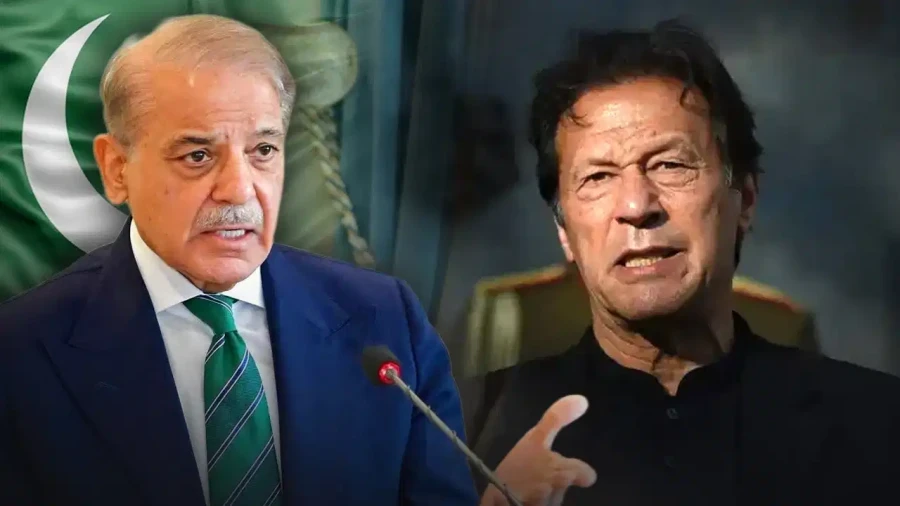
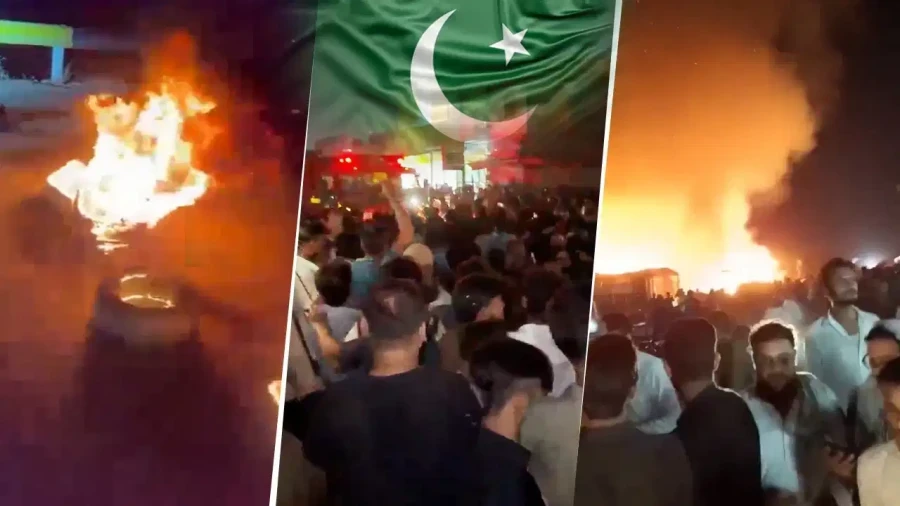
The political and security landscape of Pakistan has reached a critical boiling point as the federal government, led by Prime Minister Shehbaz Sharif, has officially moved to impose an emergency and Governor's rule in the volatile province of Khyber Pakhtunkhwa. This significant decision comes amidst a backdrop of surging terrorist activities and intense political friction between the ruling coalition and the Pakistan Tehreek-e-Insaf (PTI) party. The situation has escalated to a point where the military has been called in to restore order and ensure the safety of the citizens in the region bordering Afghanistan, which has become a flashpoint for violence.
Emergency and Governor's Rule in Khyber Pakhtunkhwa
On Sunday, October 11, the federal administration of Pakistan took the drastic step of declaring an emergency and imposing Governor's rule in Khyber Pakhtunkhwa. This move effectively strips the provincial government of its executive powers, transferring them directly to the Governor. The decision received formal approval from President Asif Ali Zardari, marking a critical intervention by the center into the provincial administration. The federal government has justified this step by citing the deteriorating security situation and the alleged non-cooperation of the provincial authorities in combating the rising tide of terrorism.
As part of the new administrative framework under Governor's rule, the government has announced the formation of an 11 member advisory council. This council is intended to assist the Governor in managing the province's affairs during this period of emergency. On top of that, a separate secretariat is being established to oversee the administrative matters of 12 specific districts within the province. These measures are designed to streamline governance and focus resources on the areas most affected by instability and violence, ensuring that the federal directives are implemented without provincial interference.
Army Deployment and Security Challenges
In a move to bolster security, the Pakistan Ministry of Interior issued an order on October 11 for the deployment of the army under Article 245 of the Constitution. This constitutional provision allows the federal government to call upon the armed forces to act in aid of civil power. Defense Minister Khawaja Asif provided a grim picture of the security situation in Khyber Pakhtunkhwa, stating that the province has witnessed approximately 6200 terrorist incidents over the last two years. These incidents have resulted in the tragic loss of nearly 1200 lives, highlighting the scale of the challenge facing the security forces.
The Defense Minister also shed light on the state of the provincial police force. While there are approximately 125000 police personnel in the province, there are currently 17000 vacant positions that have yet to be filled. The federal government contends that the provincial administration has failed to effectively work with its police force to counter terrorism, necessitating the direct involvement of the Pakistan Army. The deployment is seen as a necessary measure to stabilize the region and prevent further loss of life in the face of persistent militant threats.
Strict Restrictions in Karachi
The tension isn't limited to the northern provinces; the commercial hub of Karachi has also been placed under strict administrative control. The local administration has imposed Section 144 from October 11 to October 20. Under this law, gatherings of more than five people, rallies, sit-ins, and public demonstrations are strictly prohibited, while the authorities have stated that these measures are necessary to maintain public order and prevent disruptions to daily life.
The administration justified the imposition of Section 144 by pointing out that frequent protests and rallies were causing massive traffic jams and hindering the movement of citizens. Most importantly, the authorities noted that these demonstrations were blocking access to hospitals, potentially putting lives at risk. By restricting public gatherings until October 20, the government aims to ensure that essential services remain functional and that the city doesn't descend into chaos amidst the ongoing political turmoil.
Political Unrest and PTI Protests
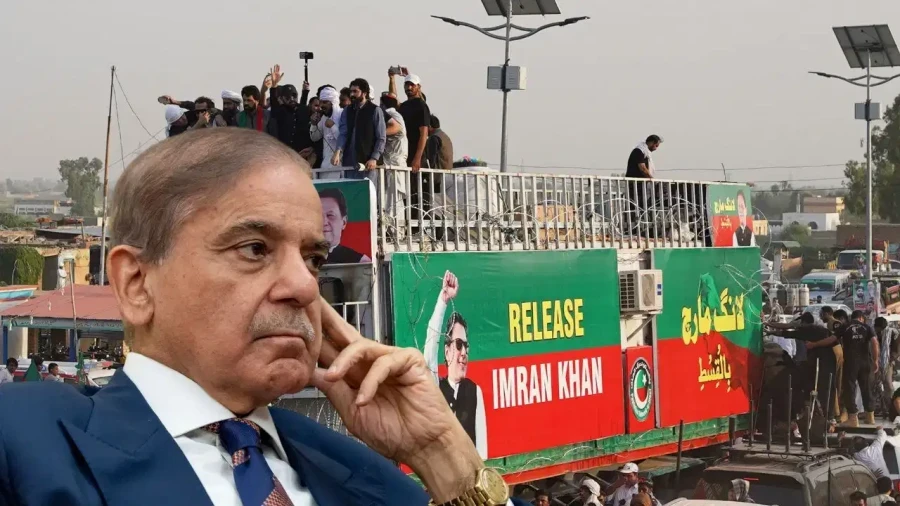
The backdrop to these security measures is a deeply polarized political environment. The Pakistan Tehreek-e-Insaf (PTI) party had planned several protests across Karachi to demand the release of their leader, Imran Khan. The PTI's demands include the release of Khan, adherence to the constitution, and the establishment of the rule of law. The party has been vocal in its opposition to the Shehbaz Sharif government, accusing it of using security concerns as a pretext to suppress political dissent.
The PTI has characterized the imposition of Governor's rule in Khyber Pakhtunkhwa as a politically motivated move aimed at weakening their influence in the province. Supporters of Imran Khan continue to organize demonstrations, leading to a direct confrontation between the opposition and the state machinery. The government's decision to ban rallies in Karachi is seen by many as a direct attempt to thwart the PTI's planned protests and maintain a tight grip on the political narrative.
A Dual Challenge for the Government
The Shehbaz Sharif government now faces a dual challenge: containing the spread of terrorism and managing widespread political discontent. The deployment of the army and the imposition of emergency measures reflect the gravity of the situation. While the government maintains that these steps are essential for national security, the opposition views them as an assault on democratic norms. The coming days will be crucial in determining whether these strict measures will bring stability to Pakistan or if they will further deepen the divide between the government, the military, and the opposition forces. The international community and the citizens of Pakistan are watching closely as the nation navigates through one of its most challenging periods in recent history.