
- India,
- 11-Oct-2026 09:10 PM IST



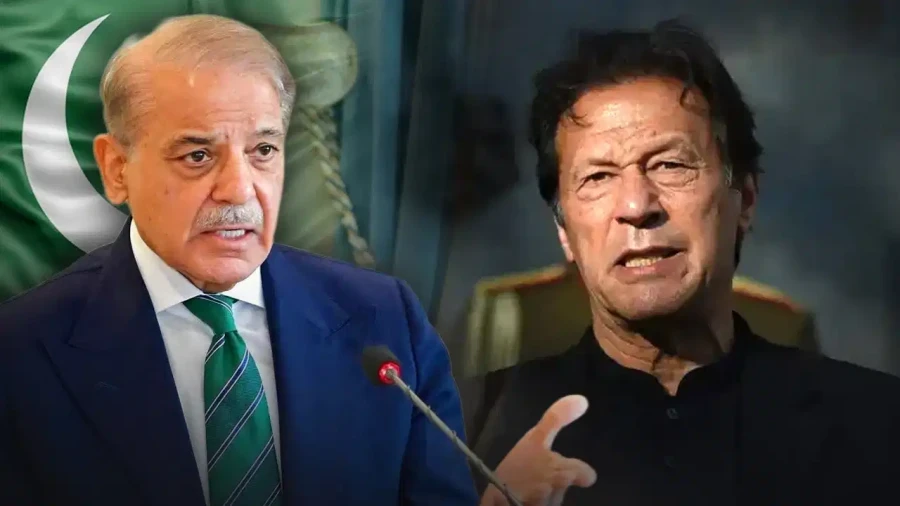
Pakistan is currently witnessing a massive political storm as the federal government has officially declared a state of emergency in the Khyber Pakhtunkhwa province. This significant move has led to the suspension of the provincial government led by the Pakistan Tehreek-e-Insaf (PTI), the party of the incarcerated former Prime Minister Imran Khan. The federal administration has justified this drastic step by accusing the provincial leadership of deliberately retreating from the ongoing fight against terrorism, a claim that has further intensified the existing political friction in the country.
Presidential Approval and Cabinet Recommendation
The decision to impose emergency rule was finalized after President Asif Ali Zardari approved the recommendations put forward by the federal cabinet, while this development followed a high-level cabinet meeting presided over by Prime Minister Shehbaz Sharif. According to an official statement released by the Prime Minister's Office, the meeting involved a comprehensive review of the security situation within the province, while the federal government concluded that the provincial administration's stance on counter-terrorism efforts necessitated immediate intervention to safeguard national security interests. While the emergency has been declared, the President's office has not yet provided a detailed roadmap on how the provincial administration will be managed under this new arrangement.
Detention of Key PTI Leaders
The political situation took a dramatic turn as the PTI reported the abduction and detention of several of its top provincial leaders. According to the party, the Chief Minister of Khyber Pakhtunkhwa, Sohail Afridi, has been taken into custody, while along with the Chief Minister, the Speaker of the Provincial Assembly, Babar Saleem Swati, and the party's provincial president, Junaid Akbar Khan, have also been reportedly abducted. The PTI has expressed grave concern over these developments, stating that several members of both the National and Provincial Assemblies have been targeted and picked up over the past few weeks. This crackdown on the provincial leadership marks a significant escalation in the confrontation between the federal government and the PTI.
Constitutional Implications and Federal Control
Under the Constitution of Pakistan, the federal government is granted specific powers during a state of emergency. These provisions allow the federal authorities to take over some or all functions of a provincial government. In the current context, this means that the powers and autonomy of the PTI-led government in Khyber Pakhtunkhwa are severely impacted. The federal government's move to invoke these constitutional powers effectively sidelines the elected provincial representatives, placing the administrative control of the province under the direct or indirect supervision of the center.
The March for Imran Khan's Release
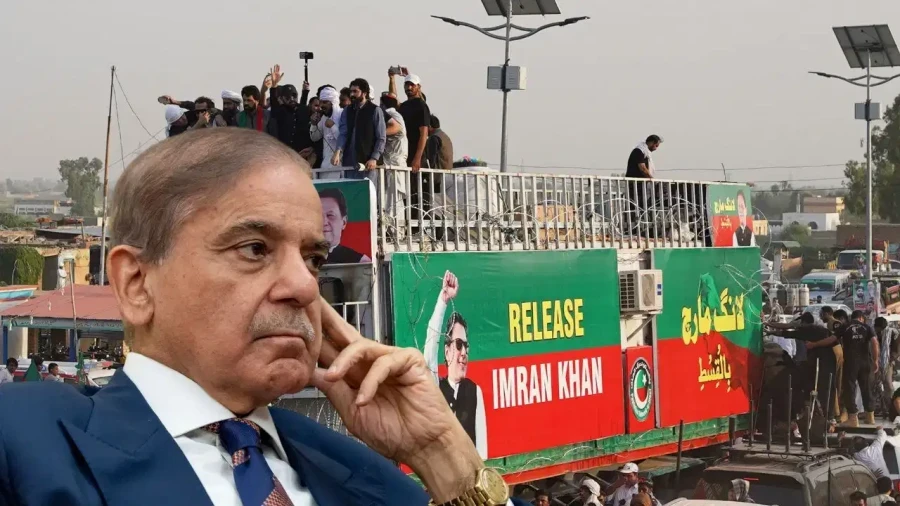
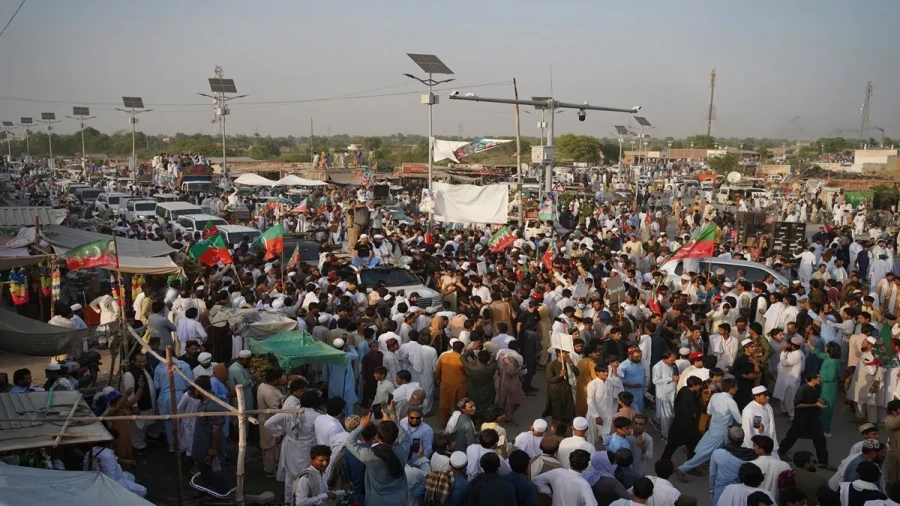
These developments come at a time when the PTI is preparing for a massive protest march towards Islamabad. The primary objective of this march is to demand the release of their leader, Imran Khan, who has been in prison for more than 3 years. The march was originally scheduled to take place on September 27, but it was later postponed to October 4 to allow for potential negotiations between the government and the PTI leadership. However, the declaration of emergency and the arrest of provincial leaders suggest that the window for dialogue has narrowed Notably.
Security Measures and PTI's Reaction
In anticipation of the PTI's planned march, the Pakistan government has made it clear that it won't allow protesters to enter the capital city, while to enforce this, major routes leading to Islamabad have been blocked using shipping containers and other heavy barriers. PTI spokesperson Zulfikar Bukhari has strongly criticized the government's decision to impose an emergency. According to Reuters, Bukhari warned that such actions could lead to further bloodshed, instability, and national loss. He emphasized that while there was room for negotiation, the government's recent actions indicate a lack of interest in pursuing a peaceful resolution through dialogue.