
- India,
- 25-Nov-2026 09:13 AM IST



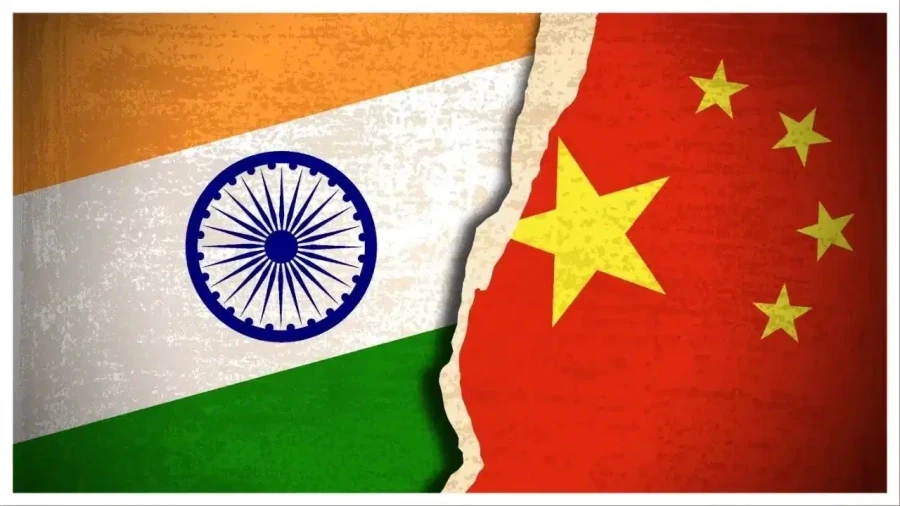
Military commanders from India and China have engaged in comprehensive discussions lasting nearly ten days to address and ease tensions along the Line of Actual Control (LAC) in Arunachal Pradesh. Both sides primarily focused on preventing any potential face-offs between troops stationed at the border with the onset of the harsh winter season. The second round of these core commander-level talks commenced on November 8 and continued for approximately ten days with a brief recess in between. Defense sources have described these high-level discussions as cordial and constructive.
The Indian delegation was led by Lieutenant General Girish Kalia, the General Officer Commanding of the Army's III Corps, which is widely known as the Spear Corps. Chinese military officials, including Lieutenant General Kalia's counterpart, actively participated in the meeting. On top of that, an official from the Ministry of External Affairs was also present during the proceedings, reflecting diplomatic coordination.
The discussions were primarily centered on how troops from both nations should manage face-to-face situations along the border. Maintaining continuous communication among field commanders and ensuring that minor disagreements or misunderstandings don't escalate into major military conflicts were among the top concerns for both delegations.
Continuation of Dialogue Following September Border Meetings
This latest round of talks follows a series of high-level meetings held in September between senior military commanders of India and China. The first senior highest military commander-level flag meeting in the eastern sector took place on September 6 at Bum La in Arunachal Pradesh, which was subsequently followed by a meeting on the Chinese side at Damai on September 7.
These meetings successfully extended the system of senior military commander-level talks to the eastern sector. According to Ministry of External Affairs spokesperson Randhir Jaiswal, these meetings took place following the understanding reached between the special representatives of both nations in August 2025 and August 2026, alongside discussions held under the Working Mechanism for Consultation and Coordination (WMCC) on border affairs.
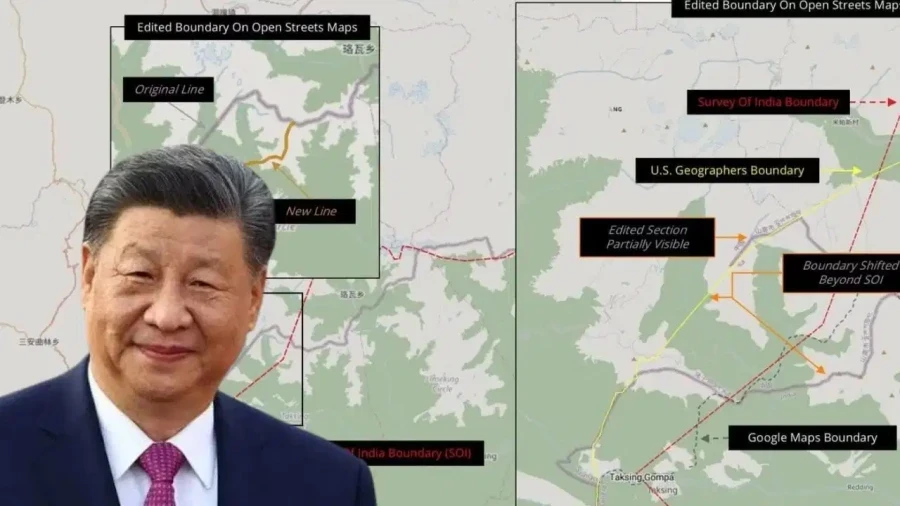
Importantly, the September meeting took place against the backdrop of reported friction in the Takshing area of the Upper Subansiri district, where Indian and Chinese troops had reportedly come face to face, prompting enhanced diplomatic and military communication.
Preparations Prior to Heavy Snowfall and Winter Onset
The timing of these recent discussions is crucial as temperatures have begun to plummet across the eastern Himalayan region. Heavy snowfall, extremely difficult terrain, and harsh weather conditions can severely hinder troop movements and the supply of essential resources. Hence, establishing proactive protocols was deemed essential.
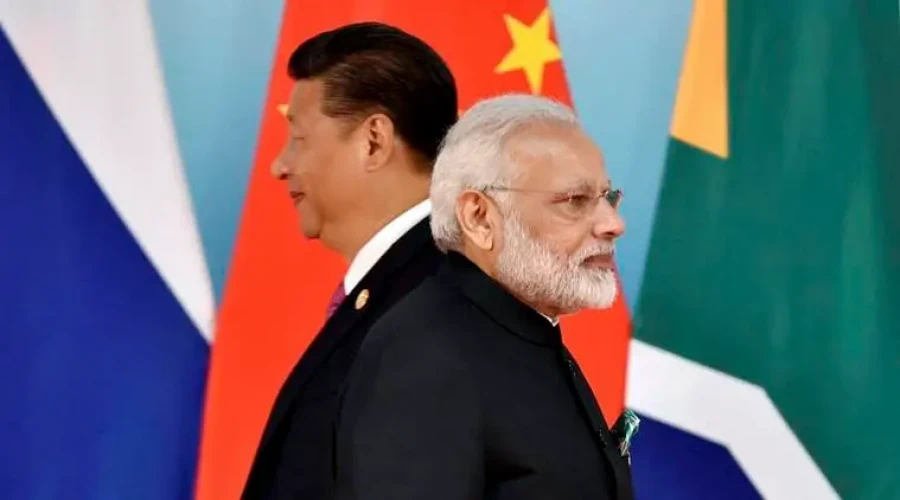
Both India and China maintain substantial military deployments along the eastern frontier, making regular communication between local commanders an operational necessity. These ongoing discussions are part of broader diplomatic efforts aimed at stabilizing bilateral ties. Prime Minister Narendra Modi and Chinese President Xi Jinping had previously discussed maintaining border peace during their bilateral meeting on September 12 on the sidelines of the BRICS summit in New Delhi.
On top of that, Union Home Minister Amit Shah reviewed security and infrastructure along the Arunachal Pradesh border during a high-level meeting in Itanagar on November 21. The comprehensive review encompassed road connectivity, border outposts, helipads, and advanced telecommunication facilities. While no major breakthrough or specific agreement has been officially announced from these latest military talks, the ongoing dialogue underscores a mutual commitment to maintaining peace and tranquility along the frontier.