
- India,
- 12-Sep-2026 05:12 PM IST



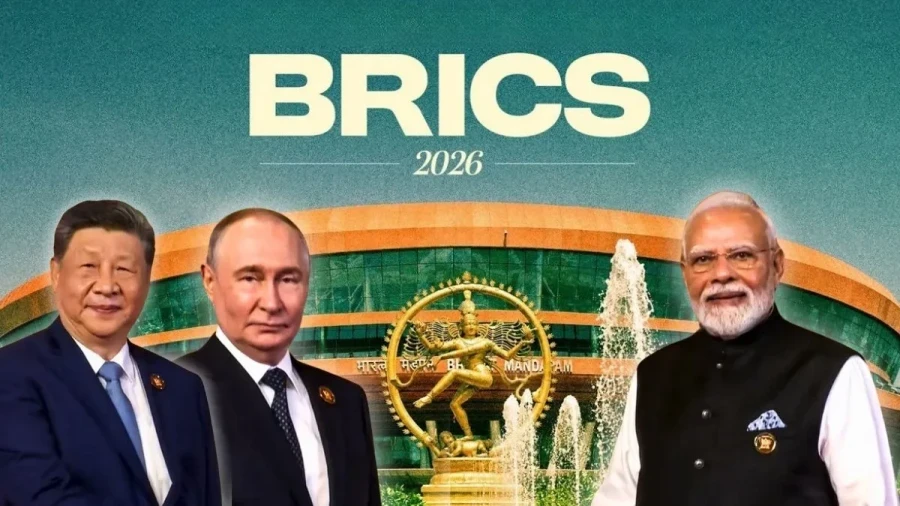
In a significant display of diplomatic finesse, India has successfully navigated the complex geopolitical landscape to achieve a unanimous consensus on the BRICS New Delhi Declaration 2026. This breakthrough occurred during the 18th BRICS Summit hosted in New Delhi, marking a major victory for Indian diplomacy. The agreement was reached after intense, marathon discussions that stretched late into the night, concluding only around 4 AM on Saturday. The consensus is particularly noteworthy given the inclusion of nations with historically divergent interests and regional rivalries, such as Iran, Saudi Arabia, and the United Arab Emirates (UAE).
Overcoming Regional Differences
The success of the New Delhi Declaration 2026 is highlighted by the fact that Iran, Saudi Arabia, and the UAE, which often find themselves on opposite sides of regional and geopolitical issues, all agreed to the joint statement. Amidst ongoing tensions and conflicts in West Asia, India played a pivotal role as a mediator. Government sources indicated that India engaged in continuous and rigorous consultations to bridge the gaps between varying opinions. The primary objective was to ensure that internal disagreements didn't derail the collective goals of the summit. The negotiations involved addressing several controversial issues where member states held conflicting views, yet India’s persistent efforts led to a common ground that all parties could accept.
The Adoption of the Declaration
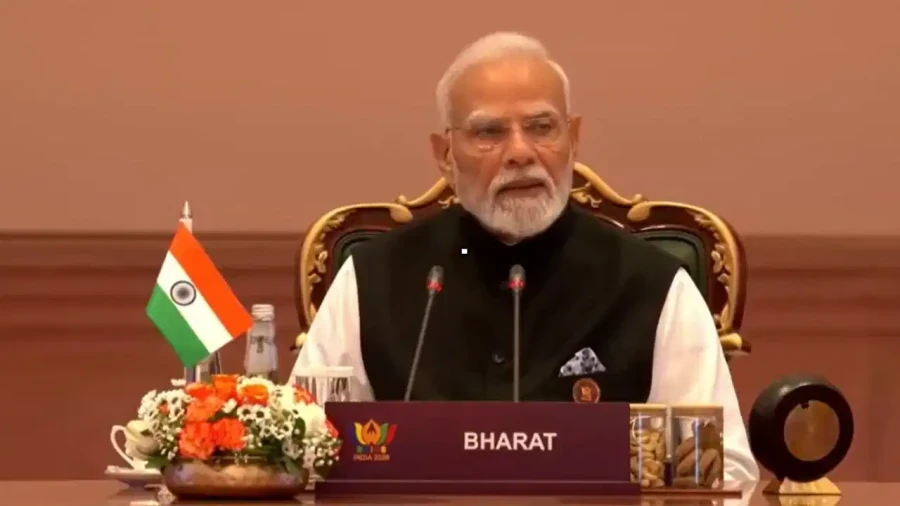
The formal adoption of the document took place when Prime Minister Narendra Modi presented the draft to the member states. Addressing the leaders, PM Modi stated, "The draft of the BRICS New Delhi Declaration 2026 is before us. It encapsulates the essence of our discussions and includes our perspectives on major global and regional subjects. Plus, it incorporates priorities to further strengthen BRICS cooperation. " Following his proposal, no objections were raised by any of the participating members. Consequently, PM Modi announced that the New Delhi Declaration 2026 was adopted unanimously, signaling a unified front for the expanded bloc.
Significance of the Consensus
The achievement of a joint agreement is seen as a testament to India's leadership within the BRICS framework. The 18th BRICS Summit, held on September 12 and 13, saw India utilizing its presidency to foster cooperation among an increasingly diverse group of nations. The complexity of the discussions underscored the challenges of managing a platform that now brings together countries with vastly different geopolitical standings. India’s strategy focused on identifying areas of common interest, which helped prevent contentious issues from blocking the joint statement. This successful negotiation highlights the growing relevance of BRICS as a forum for global South cooperation, even as it expands to include new members with complex relationships.
High-Level Participation in New Delhi
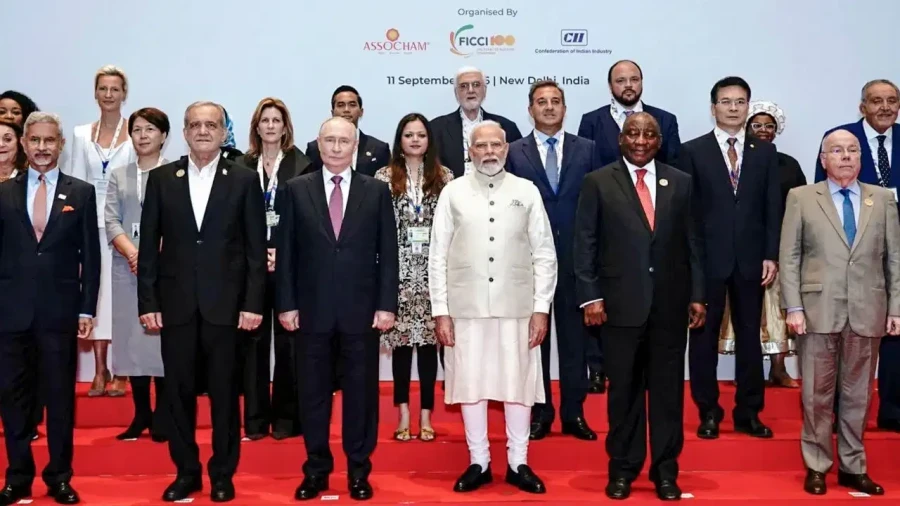
The summit was attended by a host of prominent world leaders and senior officials, reflecting the global importance of the event. Among the key attendees were Chinese President Xi Jinping, Russian President Vladimir Putin, and South African President Cyril Ramaphosa. The Middle Eastern representation was strong with Saudi Foreign Minister Prince Faisal bin Farhan Al Saud and Abu Dhabi Crown Prince Sheikh Khaled bin Mohamed bin Zayed Al Nahyan in attendance. Brazil was represented by Foreign Minister Mauro Vieira. Other notable leaders included Uganda's Vice President Jessica Alupo, Nigeria's Vice President Kashim Shettima, Vietnam's Prime Minister Le Minh Hung, and Kazakhstan's President Kassym-Jomart Tokayev. The presence of these leaders and the subsequent agreement on the shared declaration underscore India's successful role in hosting a summit of such magnitude and complexity.