- India,
- 12-Sep-2026 12:21 PM IST



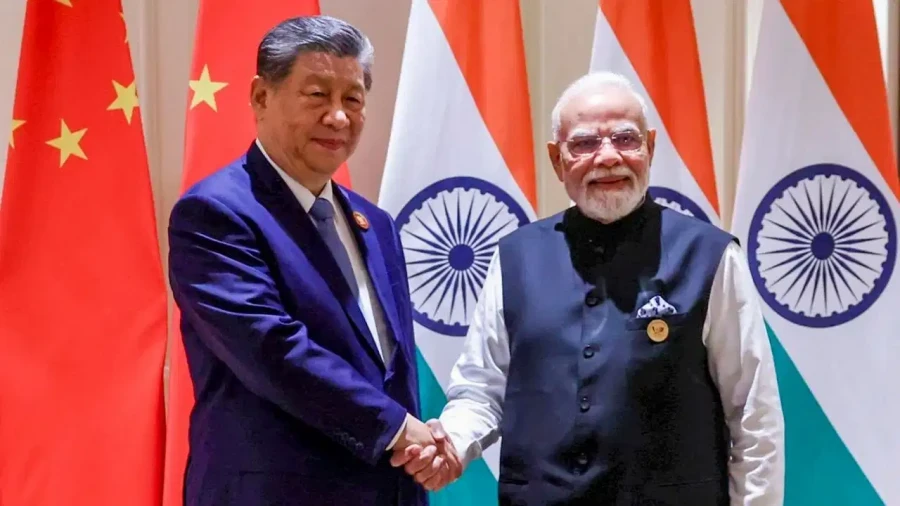
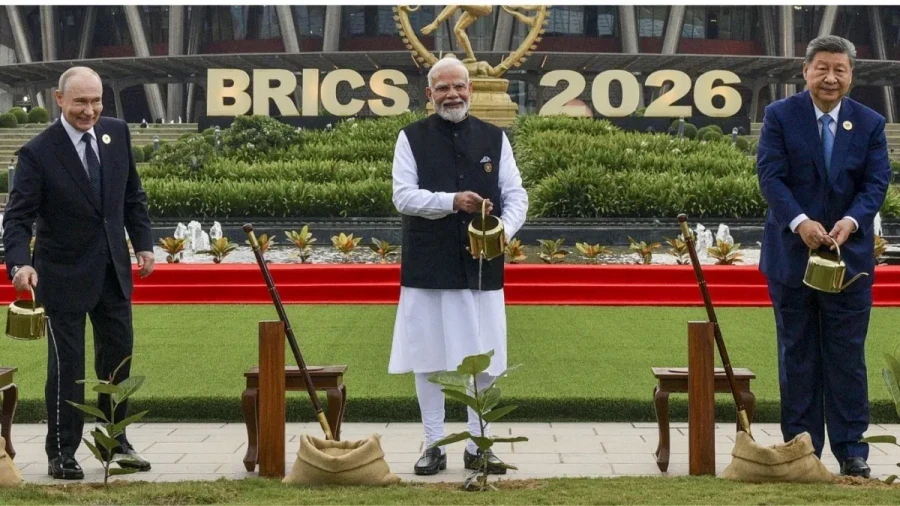
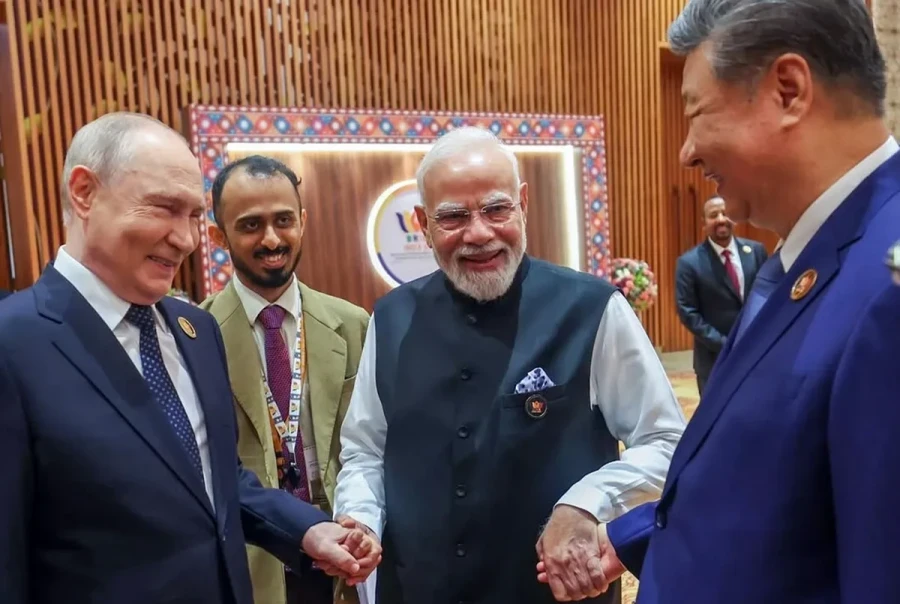
Chinese President Xi Jinping has arrived in India to participate in the 18th BRICS Summit, which is scheduled to take place in New Delhi on September 12 and 13. Accompanying the President is a high-level delegation consisting of 67 members, highlighting the importance China attaches to this multilateral gathering. Among the prominent figures in this delegation are Foreign Minister Wang Yi and the highly influential Communist Party leader Cai Qi. The presence of 70 year old Cai Qi has drawn significant attention, as he's widely regarded as the right hand man of President Xi Jinping and serves as a critical pillar in the Chinese political structure.
The Power and Position of Cai Qi
Cai Qi holds a position of immense power within the Chinese political hierarchy. He ranks fifth in the 7 member Politburo Standing Committee, which is the supreme decision making body of the Communist Party of China. His influence extends across various critical administrative and political functions. Cai Qi serves as the first member of the Communist Party Secretariat and holds the pivotal role of Director of the CPC Central Committee General Office, while this office is one of the most vital administrative and coordination hubs within the party, responsible for managing the schedules of top leaders, handling essential documents, and overseeing internal party communications. It's this strategic position that grants Cai Qi direct and constant access to President Xi Jinping, earning him the reputation of being the Presidents most trusted aide.
The De-Facto Chief of Staff
News agency Reuters has described Cai Qi as Xi Jinpings de-facto Chief of Staff, emphasizing his role as the primary staff officer for the President. He's among the leaders closest to Xi and is frequently seen accompanying him on various foreign trips and major diplomatic events. The political relationship between Cai Qi and Xi Jinping is deeply rooted in history, spanning nearly 3 decades. Their careers intersected during their time in Fujian and Zhejiang provinces. In 1996, when Xi Jinping became the Deputy Secretary of the party in Fujian province, Cai Qi was appointed to serve him. Over the years, Cai Qi has held several key positions, including the Mayor of Beijing. In 2017, acting on Jinpings instructions, he led a strict campaign in Beijing against migrant workers, which resulted in a large number of people being moved out of the city.
Expanding Influence and Recent Appointments
Cai Qis current influence isn't merely a result of his long standing friendship with the President but is also due to the significant positions he holds within the Communist Party. In 2022, he became the First Secretary of the CPC Secretariat, and in 2023, he took over as the Director of the General Office. Plus, in June 2026, Cai Qi was appointed as the head of the CPC Central Party School and the National Academy of Governance. This appointment has further increased his responsibilities and influence within both the party and the government, while while officially the position of number 2 is held by Premier Li Qiang, Cai Qis power stems from his extreme proximity to Xi Jinping and his ability to manage multiple critical roles simultaneously.
Significance of the India Visit
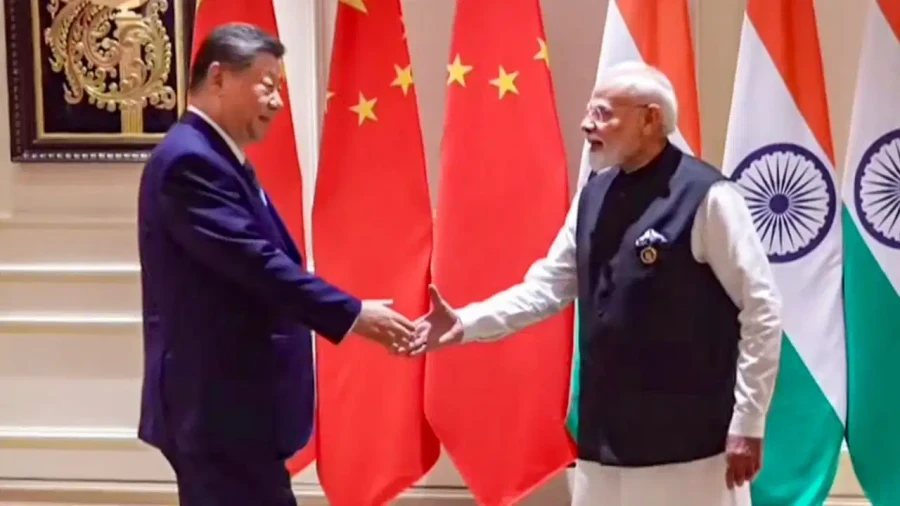
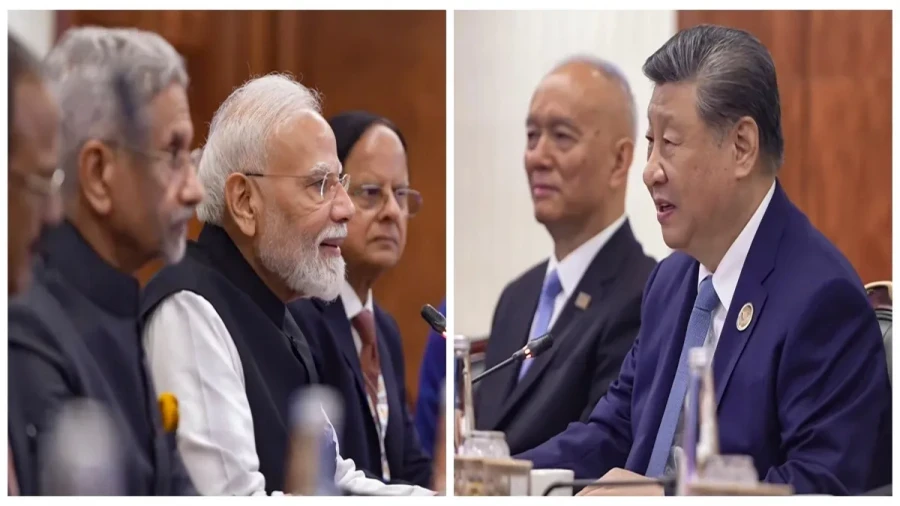
The presence of Cai Qi during the India visit is considered highly significant given the context of India-China relations. Relations between the two nations have been strained since the 2020 border dispute. Although both countries have recently made efforts to reduce tensions and improve ties, differences remain on issues such as the border, trade, and investment. The BRICS Summit provides a platform for direct dialogue between the leaders of both nations. There is an expectation of a bilateral meeting between President Xi Jinping and Prime Minister Narendra Modi. According to Reuters, Jinpings visit, supported by his top aide Cai Qi, could be an opportunity to advance the ongoing diplomatic talks and the efforts to improve relations between India and China. Notably, Cai Qi had previously met Prime Minister Narendra Modi on August 31 during the 25th SCO Summit held in Tianjin, China, from August 31 to September 1 2025.