- India,
- 12-Sep-2026 12:28 PM IST



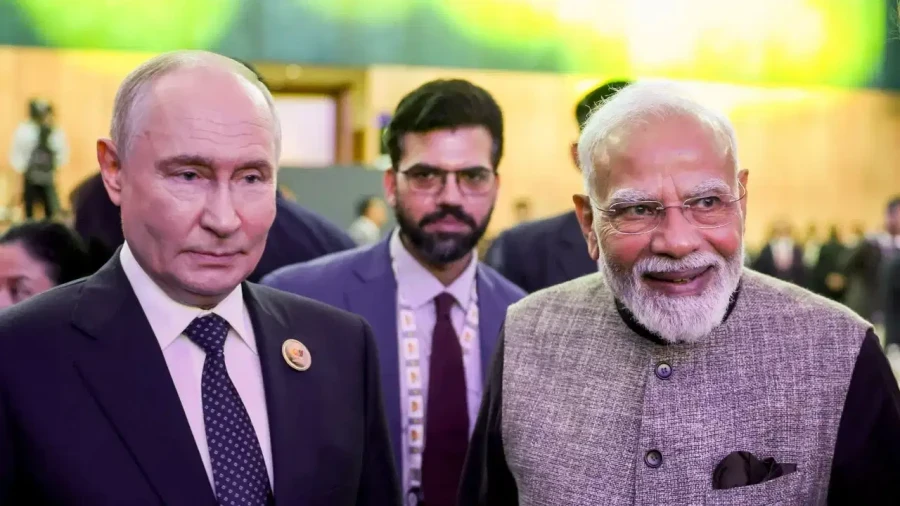
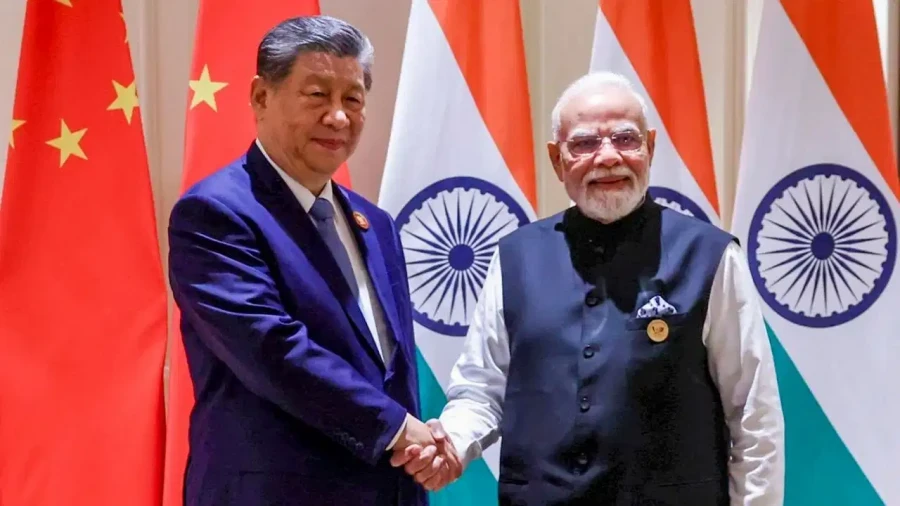
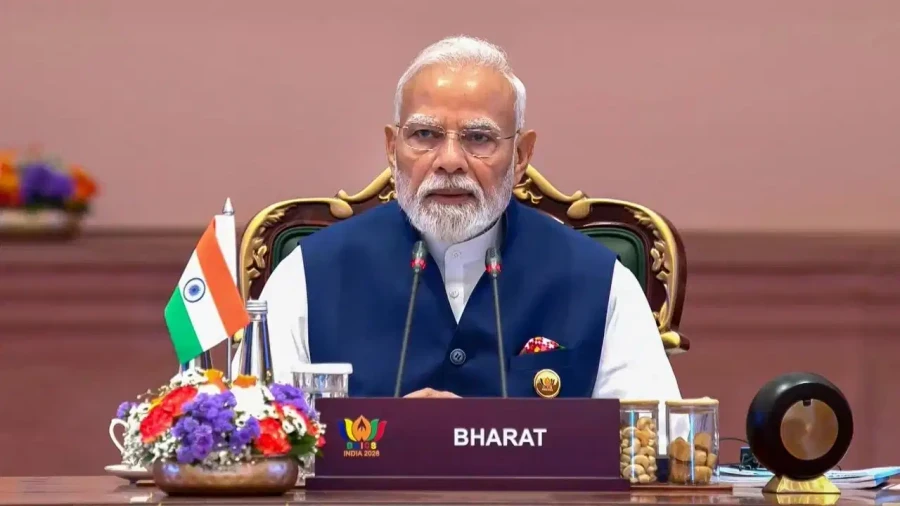
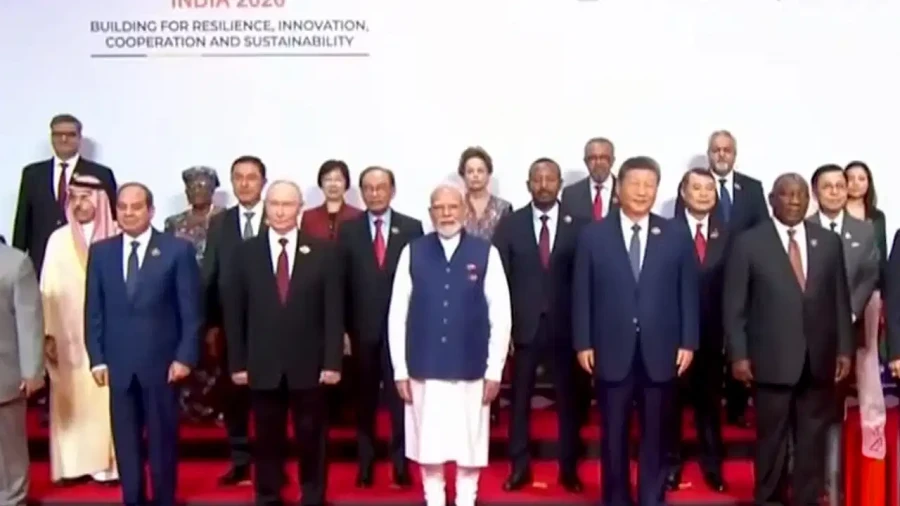
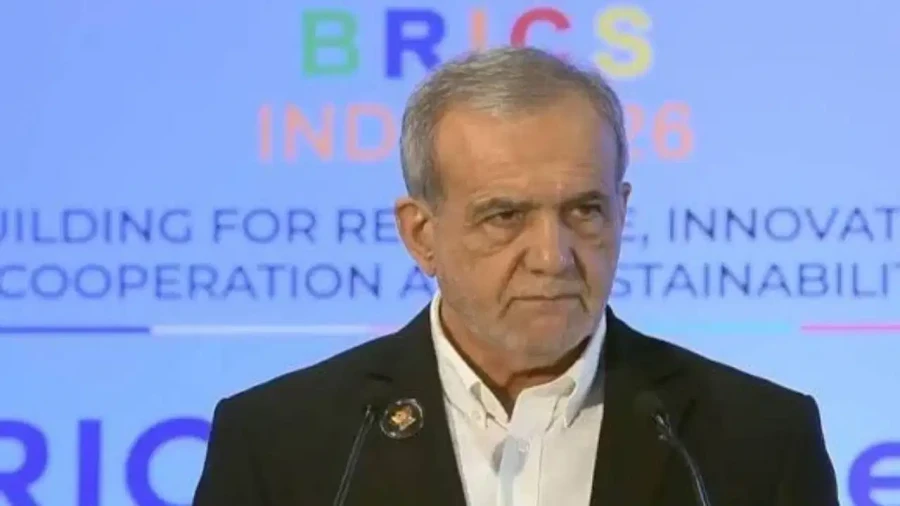
The 18th BRICS Summit is currently underway in New Delhi, bringing together powerful world leaders amidst a backdrop of shifting global dynamics, geopolitical tensions, and disruptions in energy markets, shipping, and international trade. This annual gathering of BRICS nations serves as a critical platform for developing economies to discuss the future of the global order. However, the summit has also sparked significant discussions in the United States, where experts are closely monitoring the proceedings and questioning the future trajectory of this influential group. South Asia analyst Michael Kugelman has provided a detailed analysis of the situation, suggesting that the timing of this year's summit is exceptionally strategic for India.
India's Opportunity for Global Leadership
According to Michael Kugelman, the current summit presents a perfect opportunity for India to reaffirm its global leadership. He notes that the timing allows India to intensify its efforts to connect with the 'Global South,' a key priority in Indian foreign policy. As developing nations seek alternatives to the existing global economic and financial systems, BRICS aims to offer a new contribution to the world order, especially at a time when dissatisfaction with the current global framework is growing among developing countries, while kugelman emphasizes that India's success at this summit will be measured by its ability to produce a solid joint statement, which requires building consensus among a diverse group of member nations.
The Challenge of Consensus in an Expanded Bloc
One of the primary concerns raised by analysts is whether the continuous expansion of BRICS will strengthen the group or render it less effective, while over the last two decades, BRICS has grown Notably, and with the inclusion of new members and partners, the group now encompasses a total of 21 countries. Kugelman warns that as the number of members increases, reaching a consensus becomes an escalating challenge. The potential for the group to become ineffective looms if the member states can't find common ground on critical global issues. For New Delhi, maintaining unity within such a large and increasingly complex group is a daunting diplomatic task.
Two Major Strategic Hurdles for New Delhi
Host nation India faces two specific and significant challenges during this BRICS summit. The first challenge involves managing the ongoing conflict in Iran. This is particularly complex because both Iran and the United Arab Emirates (UAE) are now members of BRICS. Navigating the differing perspectives of these nations to reach a common consensus is a difficult task for Indian diplomacy. ' Several BRICS members, including Russia, Iran, and potentially China, may push for a joint statement that includes harsh criticism of the United States. However, India and several other members are keen to protect their relationships with Washington, while in India's case, this is especially sensitive as the country is currently engaged in delicate trade agreement negotiations with the US.
The Evolution and Expansion of BRICS
The history of BRICS dates back to 2001 when Jim O'Neill, the chief economist at Goldman Sachs, coined the term 'BRIC' in a research paper focusing on the growth potential of Brazil, Russia, India, and China. These nations officially came together as a bloc in 2009. South Africa joined the group in 2011, transforming BRIC into BRICS. The group's importance has grown over time, leading to a major expansion in 2024. New members including Iran, Egypt, Ethiopia, and the UAE joined the fold, while in 2025, Indonesia also joined the organization. While Saudi Arabia has been invited to become a part of the group, it has not yet formally accepted the invitation. The success of the summit, according to experts, will ultimately be judged by the issuance of a shared declaration that reflects the collective will of these diverse nations.
PM Modi on Innovation and Global Stability
Prior to the summit, Prime Minister Narendra Modi addressed the BRICS Business Forum Leaders' Session, highlighting the group's role as a hub for global innovation and solutions, while amidst tensions in the Gulf region, the Prime Minister emphasized that global trade can only flourish when sea routes are secure and supply chains remain open. He noted that while trade barriers are increasing globally, India is actively strengthening its economic ties and diversifying its supply chains across various sectors. PM Modi assured that even amidst global uncertainties, India remains a reliable partner for growth and stability, contributing Importantly to the evolving global economic landscape.