
- India,
- 11-Jun-2026 08:12 AM IST



The business model of women's cricket in India has undergone a radical transformation, becoming completely self-sustaining and independent of financial charity, while this sport is no longer reliant on external help but is generating revenues in the hundreds of crores. Currently, the Indian women's cricket industry has surpassed the 5,000 crore mark, representing more than 50 percent of the global women's cricket commercial value. This economic revolution marks a new era for the sport in the country.
The Rise of a Commercial Empire
As the Women's T20 World Cup is set to begin this Friday, with the opening match between England and Sri Lanka, the focus isn't just on the field but also on the massive economic empire behind it. India is scheduled to face Pakistan in their first match on June 14. However, the narrative surrounding the Women's T20 World Cup 2026 is heavily influenced by the burgeoning commercial market value of the sport in India. Over the last 3 to 4 years, the commercial value of women's cricket has skyrocketed, crossing the 5,000 crore valuation. The introduction of the Women's Premier League (WPL), massive viewership on television and digital screens, and significant corporate investments have turned women's cricket into a mega-business. Globally, the commercial value of women's cricket has crossed 1 billion dollars, with India contributing more than 50 percent of this total.
WPL: The Financial Powerhouse
The Women's Premier League, managed by the Board of Control for Cricket in India (BCCI), has become the backbone of the women's sports economy. Its financial strength is evident through three main pillars: franchise sales, media rights, and central sponsorships. 6 crore from the sale of five teams. Today, the brand value of individual teams like Mumbai Indians, RCB, and Delhi Capitals is rivaling that of teams in global men's football and basketball leagues. 09 crore per match. This per-match value is the highest for any women's sports event globally. On top of that, the Tata Group's title sponsorship and other associate sponsors bring in hundreds of crores annually.
New Superstars in the Advertisement Market
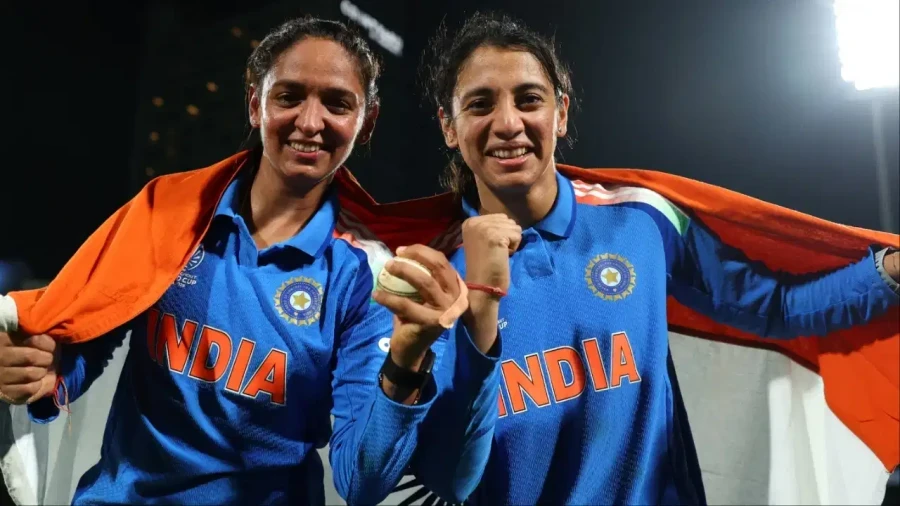
The era when brands only sought male cricketers like Virat Kohli or Rohit Sharma is over. The demand for women cricketers in the Indian advertisement market is growing at an annual rate of 250 percent. Smriti Mandhana has emerged as a prominent face, representing over 15 brands including Hyundai, Herbalife, Gulf Oil, and Boost. Her brand endorsement fee has reached 1 to 2 crore per year. Similarly, Harmanpreet Kaur and Jemimah Rodrigues are signing multi-year deals worth crores with giants like Puma and CEAT. Experts suggest that brands find a dedicated, positive, and growing family audience through women cricketers, which directly enhances brand reputation and sales.
Digital Reach and Stadium Attendance
Digital platforms like JioCinema have broken viewership records by providing free-to-air access to women's cricket matches. During the recent India-Australia bilateral series and WPL matches, digital platforms recorded over 50 to 70 million unique viewers. On the ground, stadiums like DY Patil in Mumbai and Chinnaswamy in Bengaluru are consistently witnessing 100 percent ticket sales, making housefull matches a routine occurrence. The revenue streams are divided into WPL franchises and sponsorships contributing over 4,000 crore, broadcasting and digital rights contributing over 1,000 crore, and player endorsement values estimated between 300 to 500 crore.
Player Earnings and Future Challenges
The economic boom has directly benefited the players. Under the BCCI's equal match fee policy, women cricketers now receive the same fees as men: 15 lakh per Test, 6 lakh per ODI, and 3 lakh per T20 match. 4 crore, making cricket an attractive career for young girls. Despite this growth, experts believe that more bilateral series and Test matches are needed to maintain the revenue cycle year-round. Investing in grassroots infrastructure in associate nations is also seen as essential for the long-term sustainability of this business model.