
- India,
- 01-Jun-2026 03:18 PM IST



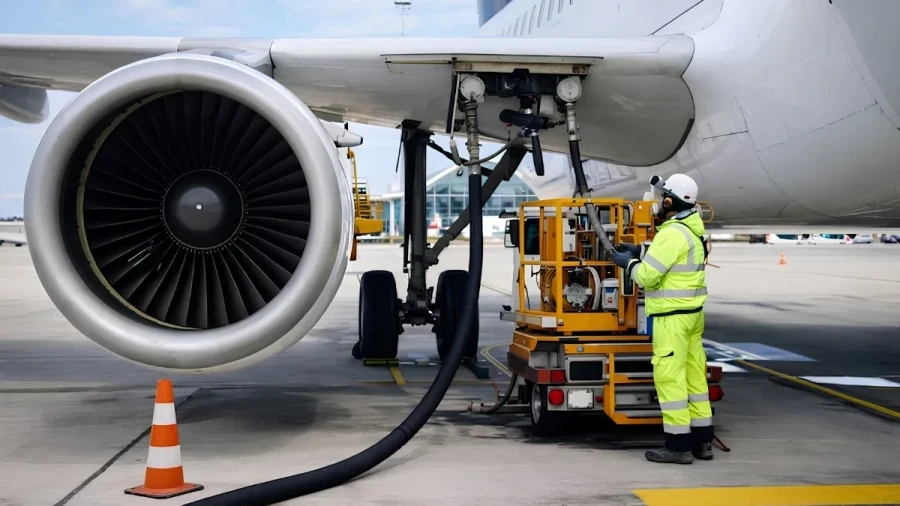
In a significant development that could bring cheer to international travelers, oil marketing companies have announced a substantial reduction in the prices of Aviation Turbine Fuel (ATF) specifically for international operations. During the monthly price review conducted for the month of June, the cost of jet fuel for international airlines has been slashed by approximately 27 percent. This move is expected to drastically lower the operational expenses for carriers operating on global routes, potentially leading to a positive impact on international airfares in the coming weeks.
Massive Price Cut for International Carriers
According to the new rates implemented by oil companies, the price of jet fuel for foreign airlines has seen a reduction of more than 400 dollars per kiloliter. This sharp decline comes as a major relief for the aviation industry, which has been grappling with fluctuating fuel costs in the global market over the past few months. The reduction of 27 percent is one of the most significant cuts in recent times, aimed at aligning fuel costs with current global energy trends and providing financial breathing room to international operators.
Contrast with Previous Months
The relief in June follows a period of rising costs that had put pressure on the aviation sector. In May, international airlines faced a price hike of more than 5 percent for ATF. Prior to that, in April, prices had also surged due to volatility in the global energy market. These consecutive increases had increased the profit margin pressure on international airlines, forcing many to consider fare hikes. The current reduction effectively reverses that trend, providing a much-needed reprieve after the spikes seen in April and May.
Domestic ATF Prices Remain Unchanged
While international flights have received a major boost, the situation remains different for the domestic aviation sector. Oil companies have decided to keep the prices of ATF for domestic airlines stable for the second consecutive month. Domestic carriers will continue to purchase fuel at the rates fixed in April. This means that the operating costs for flights within the country won't see any immediate reduction, and domestic passengers might not see a change in ticket prices based on fuel costs alone, unlike their international counterparts.
Will Air Tickets Become Cheaper?
Aviation experts point out that Aviation Turbine Fuel constitutes a massive portion of an airline's total operating cost. Because of this, a 27 percent reduction in fuel prices Importantly lowers the cost of operating international flights. However, the final price of a ticket is determined by several factors beyond fuel, including passenger demand, seat availability, and overall global economic conditions. While the cost reduction provides a strong foundation for lower fares, experts suggest it might be too early to expect an immediate and drastic cut in ticket prices across all routes as airlines evaluate their pricing strategies.
Potential Benefits for Travelers
If the trend of softening fuel prices continues in the coming months, airlines may pass on the benefits to passengers to stay competitive in the global market. This could make international travel more affordable for those planning trips abroad. For now, the reduction of over 400 dollars per kiloliter serves as a positive signal for the international aviation market, offering hope for more budget-friendly travel options in the near future for passengers planning their summer vacations or business trips.