

- India,
- 10-Mar-2026 08:09 AM IST


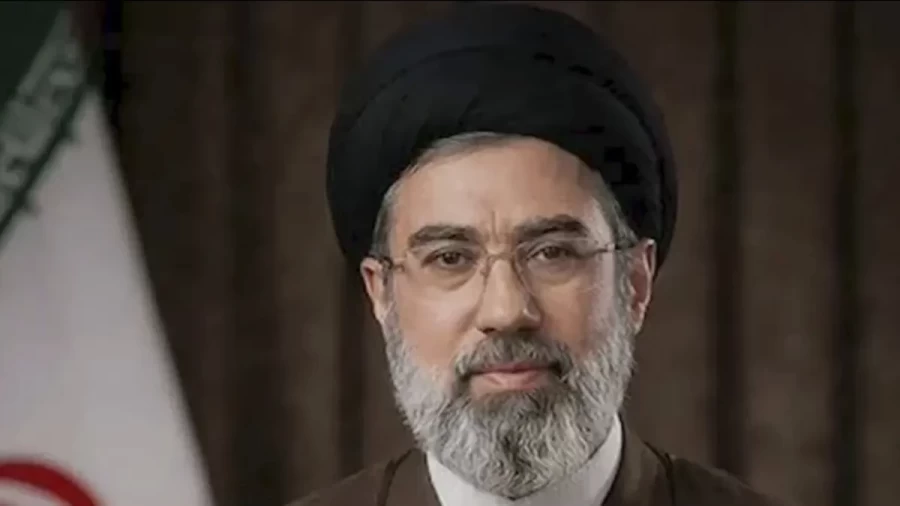
The appointment of Ayatollah Mojtaba Khamenei as the new Supreme Leader of Iran has triggered significant volatility in the global energy markets. On Monday, international crude oil prices surged toward the $120 per barrel mark as geopolitical tensions in the Middle East intensified. This development has led to an immediate energy crisis in South Asian nations, specifically Pakistan and Bangladesh, where authorities have ordered the closure of schools and colleges to conserve dwindling fuel reserves.
Leadership Transition in Iran and Escalating Conflict
Iran officially announced Mojtaba Khamenei as the successor to his late father, signaling a continuation of the country's hardline stance. Following the appointment, Tehran emphasized its readiness for a prolonged conflict, stating it wouldn't surrender to external pressures. According to officials, Iran has intensified strikes on Israeli and American military installations. Bahrain has accused Iran of targeting a critical desalination plant, highlighting the expanding impact of the war on civilian infrastructure, while bahrain’s national oil company declared force majeure on shipments after an Iranian strike caused a fire at its refinery complex.
Global Oil Market Volatility and G7 Response
50 per barrel early in the day before trading above $101 following a 9% fluctuation. 48 per barrel. In response to the price surge, French President Emmanuel Macron suggested that the Group of Seven (G7) nations might release emergency oil stocks. However, following a meeting of finance ministers, the G7 decided against using strategic reserves for the time being. French Finance Minister Roland Lescure stated that while the group isn't yet at that stage, it remains ready to take necessary measures to stabilize the market.
Austerity Measures in Pakistan and Bangladesh
Facing a severe fuel shortage, Pakistani Prime Minister Shehbaz Sharif announced an emergency austerity package to reduce government expenditure. Educational institutions in Pakistan will remain closed for two weeks, shifting to online classes. The government has reduced its vehicle fleet by 60% and slashed fuel quotas for officials by 50%. Similarly, the Bangladesh government has ordered the closure of all public and private universities starting Monday, while officials stated that this move is part of emergency measures to save electricity and fuel, aiming to reduce pressure on the national power grid and minimize traffic-related fuel wastage.
Impact on Major Asian Economies
The disruption in Iranian oil exports has raised alarms in major importing nations. 6 million barrels of oil per day, with a significant portion destined for China. Chinese Foreign Ministry spokesperson Guo Jiakun emphasized the responsibility of all parties to ensure stable energy supplies. In South Korea, President Lee Jae-myung warned of strict penalties for price gouging at filling stations. The Strait of Hormuz, through which nearly 20% of the world's oil passes, has seen a near-total halt in tanker movement due to the threat of drone and missile attacks, forcing producers like Iraq and Kuwait to cut production as storage tanks reach capacity.
India's Current Standing and Local Supply Concerns
According to sources within India's Ministry of Petroleum, the country remains relatively insulated from the immediate crisis due to diversified sourcing, including significant imports from Russia, while officials stated that India maintains sufficient oil reserves and there is no immediate need for a price hike. However, localized supply issues have emerged in Bengaluru, where the Hotel Association reported disruptions in gas supplies. The association warned that continued supply failures could lead to the closure of several establishments. Despite these local concerns, the central government maintains that alternative arrangements are in place to ensure national energy security.
