
- India,
- 17-Aug-2026 08:34 AM IST



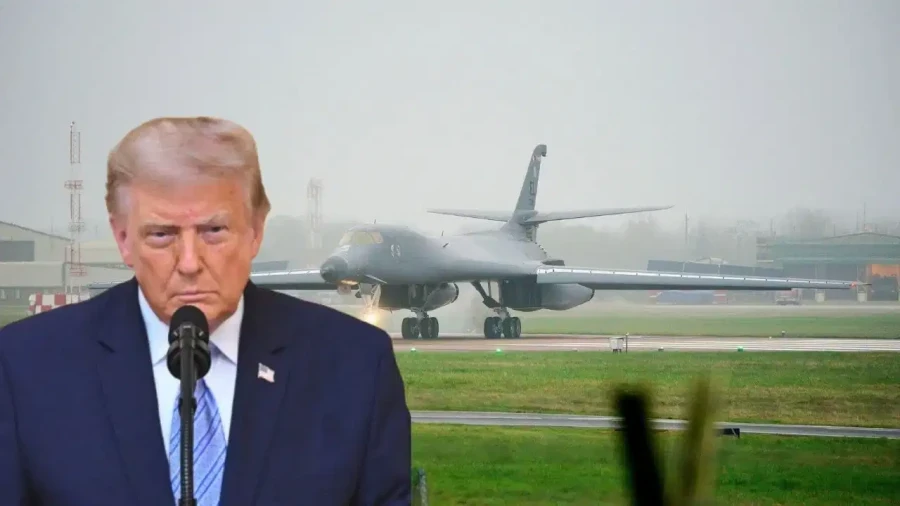
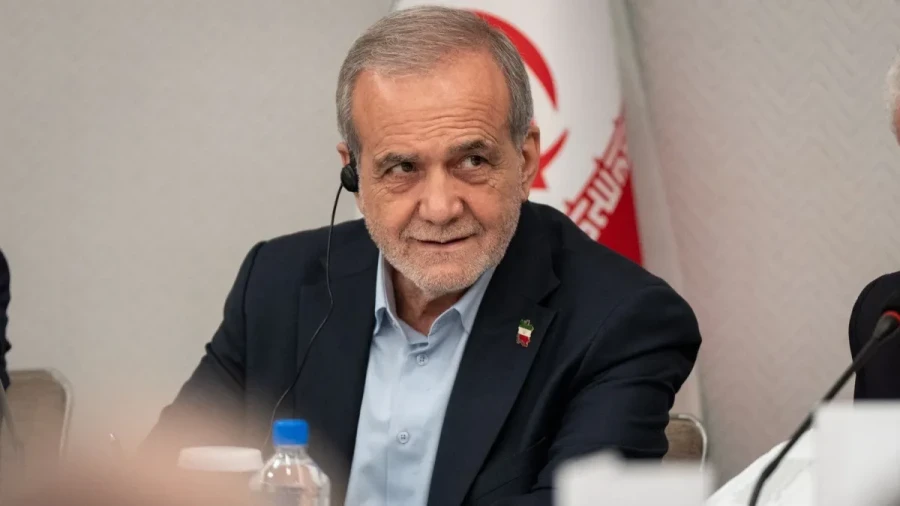
The geopolitical landscape of the Middle East is witnessing a significant shift as Iran enters what is being termed the Mujtaba era. This transition follows the assassination of Iran former Supreme Leader Ayatollah Ali Khamenei by the United States at the beginning of the conflict. The emergence of Mujtaba has brought a new pace to Iran aggression, leading to the formalization of a high-profile hit list. While the position of Supreme Leader remains the highest authority in Iran, the nation is now desperate for retribution against those it deems responsible for the death of its former leader.
The Expanding Hit List and New Targets
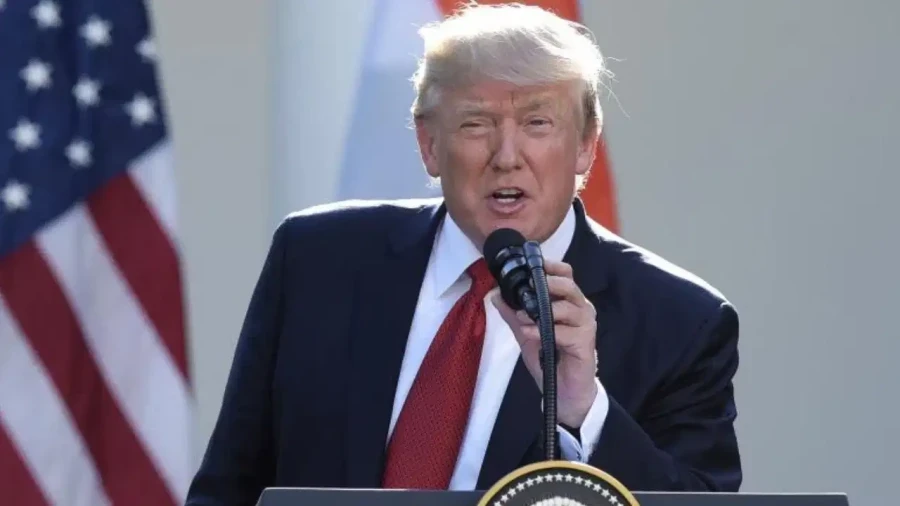
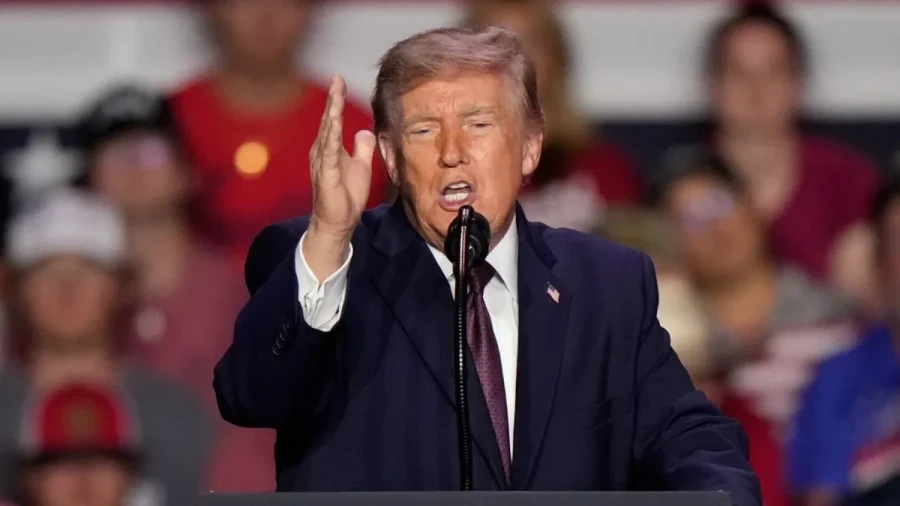
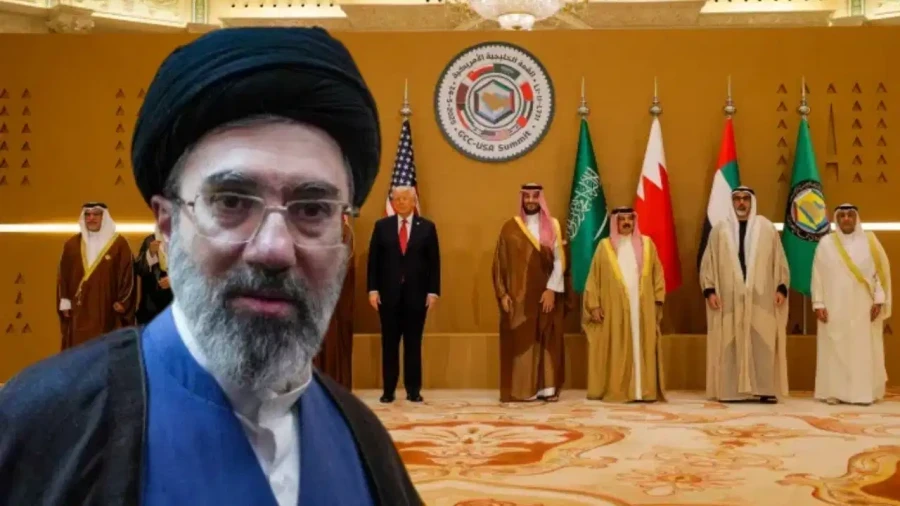
Iran has prepared a target list that features prominent global figures. At the top of this list is former US President Donald Trump, followed by Israeli Prime Minister Benjamin Netanyahu. However, a new and significant demand has emerged within Iran political circles, while iranian Member of Parliament Amirhossein Sabeti has urged the government to include the heads of state of Arab nations that assisted the United States. The argument presented is that those who provided land and airspace for US operations against Iran are equally complicit in the assassination of the former Supreme Leader.
Previously, Iran had maintained that it had no enmity with its neighboring countries, focusing its targets solely on US military bases and equipment. This policy is now undergoing a radical change. Iran is taking oaths to eliminate the top leadership of neighboring countries that support the US. The demand specifically targets the monarchs of the Gulf countries who provided territory to the American military. This shift in policy has put three major dynasties in the crosshairs: the Al Saud dynasty of Saudi Arabia, the Al Nahyan dynasty of the UAE, and the Al Khalifa dynasty of Bahrain.
Specific Leaders Under Threat
The threat extends to the highest levels of governance in these three nations. In Bahrain, the Al Khalifa family has ruled since 1783. The current ruler, King Hamad bin Isa Al Khalifa, holds supreme power, while his eldest son, Crown Prince Salman bin Hamad Al Khalifa, serves as the Prime Minister. Both are now viewed as potential targets. In the United Arab Emirates, which consists of 7 emirates, the Al Nahyan and Al Maktoum families are the most prominent. President Sheikh Mohamed bin Zayed Al Nahyan of Abu Dhabi and Prime Minister Sheikh Mohammed bin Rashid Al Maktoum are the key figures mentioned in the context of Iran hit list.
In Saudi Arabia, the Al Saud dynasty is the focus. King Salman bin Abdulaziz Al Saud and his son, Crown Prince Mohammed bin Salman, who is the Prime Minister and de facto ruler, are the primary names being demanded for inclusion in the hit list. Iran strategy appears to be aimed at creating fear among the Gulf leadership to force a distance between them and the United States. By targeting the top leadership, Iran hopes to increase the pressure for the expulsion of US forces from the region.
The Qatar Conflict and Missing Pilots
Adding to the regional tension is a specific dispute between Iran and Qatar, while iran alleges that Qatar has been holding 3 of its pilots in custody since March. The roots of this conflict trace back to March 2, when Iran launched an attack on the Al-Udeid airbase in Qatar. Two Sukhoi 24 fighter jets conducted the strike, flying at low altitudes to evade US air defenses and radar. During the engagement, Qatari F-15 jets took off and intercepted the Iranian aircraft. Both Sukhoi 24 jets crashed near the Persian Gulf due to the F-15 attack.
Iran claims that all 4 pilots involved in the mission ejected from the aircraft. While the body of 1 pilot was recovered and reported by Qatar, Iran insists that the remaining 3 pilots are being held in secret captivity. Qatar has officially rejected these allegations, stating it isn't holding any Iranian pilots. This incident has become a major point of friction, especially as Arab nations grow concerned about the perceived lack of a solid US strategy and the potential for further Iranian aggression.
The Mecca Defense Pact and Islamic NATO
In response to the growing threats and a perceived decline in US reliability, several Islamic nations are moving toward a new military alliance. Modeled after NATO, this structure is being referred to as an Islamic NATO. A historic strategic and military agreement was reached on August 7 between Saudi Arabia, Turkey, and Pakistan. Known as the Mecca Defense Pact, the agreement stipulates that an attack on one of the three nations will be considered an attack on all three.
This pact mirrors Article 5 of the NATO treaty, ensuring a collective defense mechanism. The move comes as Gulf nations look for alternative security arrangements, fearing that the US may be on the backfoot. With reports of US weapon stocks depleting and a lack of decisive action against Iranian threats, countries like Saudi Arabia, Turkey, and Pakistan are consolidating their military ties to ensure regional stability and mutual protection against external aggression.