

- India,
- 06-Apr-2026 09:04 AM IST


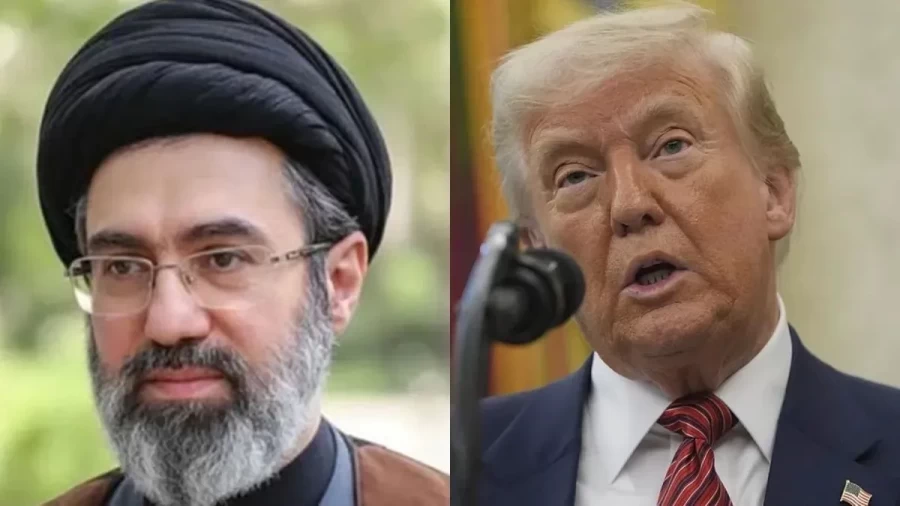
The geopolitical situation in the Gulf region has reached a critical flashpoint as the deadline set by US President Donald Trump for Iran approaches. President Trump has issued a stern warning, stating that if Iran fails to reach a deal, the United States is prepared to take military action that could lead to significant destruction. In response, Iran has maintained a defiant stance, asserting its readiness to retaliate against any American aggression, further heightening fears of a full-scale war in the Middle East.
Iranian Parliament Speaker’s Response to US Threats
Mohammad Bagher Ghalibaf, the Speaker of the Iranian Parliament, has formally addressed the threats issued by the US President. In a statement shared on social media, Ghalibaf emphasized that Washington's current trajectory is pushing the entire region toward a massive conflict. He warned that American policies could turn the lives of families into a living hell. According to Iranian officials, the nation won't be intimidated by threats and is prepared to provide a crushing response to any military provocation.
Rejection of Temporary Ceasefire for Hormuz Access
A central point of contention remains the Strait of Hormuz, a vital artery for global energy supplies. President Trump has demanded the immediate opening of the strait, offering a temporary ceasefire in exchange. However, Iran has rejected this proposal, demanding a permanent end to hostilities rather than a temporary pause. Iranian leadership has stated that they will remain steadfast in their conditions, refusing to grant concessions under the pressure of military threats or temporary arrangements.
Details of the April 6 Deadline and Military Risks
President Trump had previously established a deadline of April 6 for Iran to comply with US demands regarding the Strait of Hormuz. According to the specified timeline, this deadline expires at 5:00 AM IST tomorrow. The US President has warned of strikes on Iran's power plants and bridges if the deadline passes without a resolution. The use of strong language by the US administration has signaled a shift toward a more aggressive military posture, leaving little room for diplomatic maneuvering as the clock runs out.
Potential Consequences for Global Oil Markets
According to international observers, any military escalation in the Gulf region would have immediate and severe repercussions for the global economy. The Strait of Hormuz is responsible for the transit of approximately one-fifth of the world's total oil consumption, while a closure or conflict in this maritime corridor would likely lead to a sharp spike in crude oil prices, impacting global supply chains and economic stability. Officials from various nations are monitoring the situation closely as the risk of a supply shock increases.
Conflicting Reports on Aircraft Losses
Adding to the volatility, both nations have made conflicting claims regarding military losses. Iran has claimed to have shot down American aircraft near its airspace as a demonstration of its defensive capabilities. Conversely, the United States has dismissed these claims, stating that any destroyed aircraft were neutralized by their own forces for strategic or technical reasons. These contradictory reports highlight the intense information warfare accompanying the physical military buildup in the region.
