

- India,
- 06-Apr-2026 08:19 AM IST


Tensions between Iran and the United States have escalated Importantly as Tehran demands financial compensation for war damages as a prerequisite for reopening the Strait of Hormuz. A senior Iranian official issued this statement in response to a direct ultimatum from US President Donald Trump, who has threatened military action against Iranian infrastructure if the strategic waterway isn't cleared for international shipping immediately.
Iran Conditions Reopening on Financial Compensation
Mehdi Tabatabaei, the Deputy Head of Communications in the office of Iranian President Masoud Pezeshkian, articulated Tehran's position via a post on X (formerly Twitter). He stated that the Strait of Hormuz would only reopen under a new legal framework where war damages are compensated through a portion of the fees collected from passing vessels. Iranian officials have previously indicated their intent to charge tankers for safe passage through the strait, a move that has drawn sharp criticism from international shipping experts and foreign governments who view it as a violation of maritime freedom.
Trump Issues Infrastructure Destruction Warning
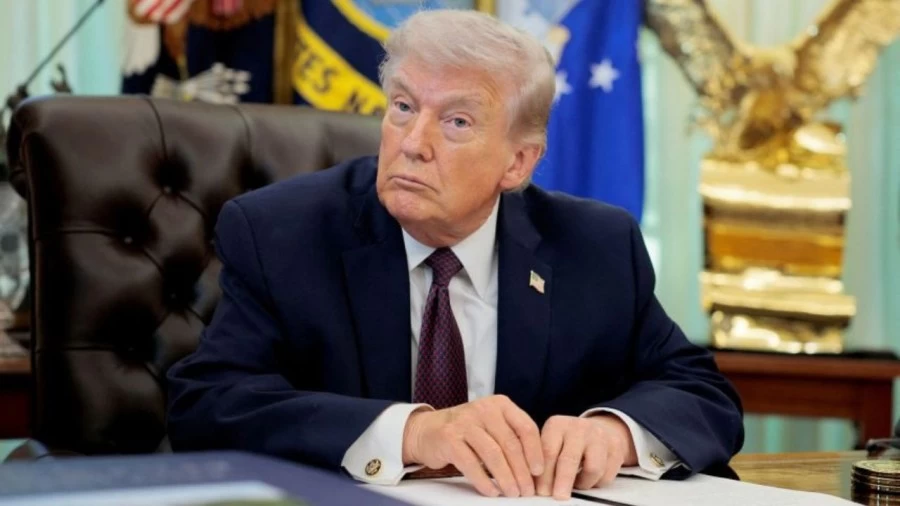
President Donald Trump issued a specific deadline via Truth Social, demanding the strait be reopened by Tuesday at 8:00 PM Eastern Time. This deadline corresponds to 3:30 AM Wednesday in Tehran (00:00 GMT). In an interview with the Wall Street Journal, Trump intensified his rhetoric, warning that if Iran fails to act by the deadline, it will face the destruction of its power plants and bridges. The President indicated that the US is prepared to target Iranian civilian infrastructure if the blockade of the world's most vital oil transit point continues.
Iranian Leadership Accuses Trump of Warmongering
Responding to the threats, Tabatabaei accused the US President of using inappropriate language driven by frustration and anger. He warned that the American leadership is pushing the region toward a full-scale war scenario. The Iranian official's comments reflect a broader sentiment within Tehran that the US administration's approach is escalatory and ignores Iran's legal and financial grievances. The standoff highlights a total breakdown in diplomatic communication, replaced by public ultimatums and military posturing.
Diplomatic Condemnation at the United Nations
The Iranian Mission to the United Nations has formally condemned Trump's messages, describing them as an open threat to destroy infrastructure essential for civilian life. The mission called upon the international community to intervene, stating that all nations have a legal obligation to prevent what they termed as potential war crimes. The statement urged immediate action, suggesting that delayed international intervention could lead to irreversible regional instability, while tehran maintains that its demands for compensation are rooted in the financial losses incurred during recent hostilities.
Strategic Importance of the Strait of Hormuz
The Strait of Hormuz is widely regarded as the world's most important energy chokepoint, with approximately one-fifth of the world's total oil consumption passing through it daily. Any prolonged closure or restriction of the waterway has the potential to cause massive disruptions in global energy markets and spike crude oil prices. While Iran seeks to benefit from its geographical control to secure financial concessions, the United States views the free flow of commerce through the strait as a non-negotiable matter of international security, while the current impasse places global shipping on high alert as the deadline passes.
