

- India,
- 05-Apr-2026 09:18 PM IST


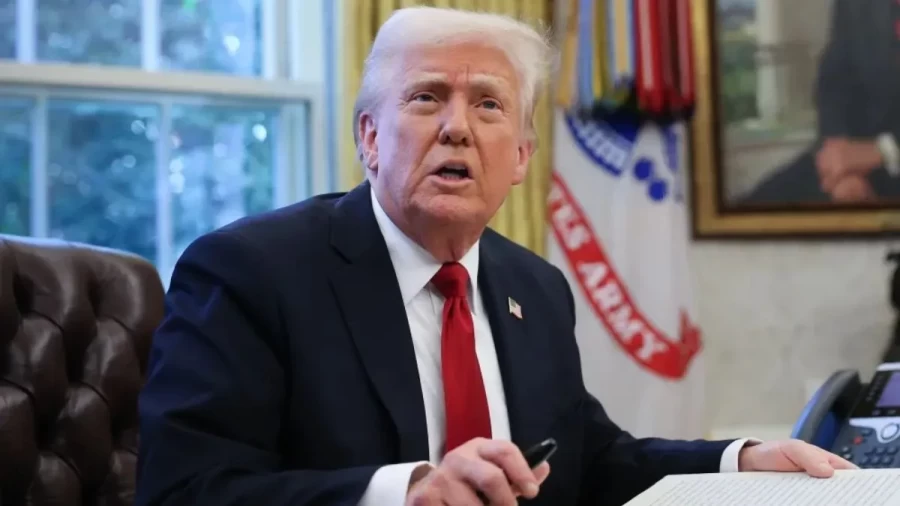
US President Donald Trump has issued a direct and severe warning to Iran, demanding the immediate reopening of the Strait of Hormuz. In a series of social media posts, Trump utilized aggressive rhetoric, threatening to target Iran's critical infrastructure if his demands aren't met. This escalation follows reports of Iranian forces engaging US military assets during a sensitive operation in the region. The President's statements have Notably heightened tensions in the Middle East.
The confrontation stems from an incident near Isfahan where Iranian forces reportedly downed two US C-130 transport aircraft and two Black Hawk helicopters. These assets were allegedly involved in a rescue mission for a US pilot. The loss of these military aircraft has prompted a sharp response from the White House, with President Trump signaling a shift toward potential kinetic action against Iranian targets.
Trump’s Social Media Statements and Rhetoric
In a post that has drawn global attention, President Trump used blunt language to address the Iranian leadership. He referred to the authorities as "crazy bastards" and issued a clear ultimatum regarding the Strait of Hormuz. " The President's rhetoric suggests a zero-tolerance policy toward any Iranian attempts to block international shipping lanes or target US personnel.
Strategic Importance of the Strait of Hormuz
The Strait of Hormuz is a vital maritime chokepoint through which approximately 20% of the world's total oil consumption passes daily. Located between Oman and Iran, it connects the Persian Gulf with the Gulf of Oman and the Arabian Sea. Any disruption to this passage has immediate and profound effects on global energy prices and economic stability. Trump’s demand for the strait to remain open is centered on maintaining the free flow of commerce and preventing Iran from using the waterway as a geopolitical lever.
Recent Military Confrontation Near Isfahan
According to reports, the immediate catalyst for this escalation was the downing of four US military aircraft on Sunday. The two C-130s and two Black Hawks were reportedly operating near Isfahan during a rescue mission when they were engaged by Iranian defenses. While the Pentagon has not released a full casualty report, the loss of such significant hardware is being treated as a major provocation. Trump’s subsequent threats are viewed as a direct response to this specific military engagement.
Threats to Iranian Infrastructure and Deadlines
President Trump’s warning included a specific timeline and target list. He mentioned that Tuesday would be observed as "Power Plant Day" and "Bridge Day" in Iran, implying coordinated strikes on the country’s electrical grid and transportation infrastructure. He warned that the scale of the attack would be unprecedented, while by naming specific types of infrastructure, the US administration is signaling its readiness to degrade Iran’s domestic capabilities if the maritime blockade or military hostilities continue.
Regional Security and International Concerns
The threat of military action has put regional allies and international observers on high alert. The prospect of a direct conflict between the United States and Iran carries significant risks for regional stability. Military analysts suggest that any strike on Iranian soil could lead to a broader escalation involving multiple actors in the Middle East, while as the Tuesday deadline approaches, diplomatic channels remain strained, and US military forces in the region are reportedly adjusting their posture to respond to any further developments or orders from the Commander-in-Chief.
