

- India,
- 12-Mar-2026 07:43 AM IST


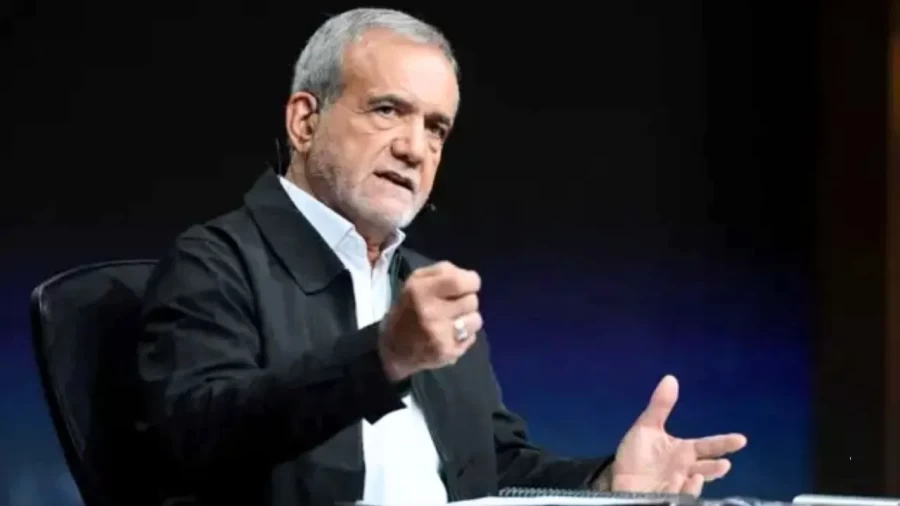
On the 13th day of the escalating military conflict between Iran and Israel, President Masoud Pezeshkian has formally outlined Tehran's conditions for a ceasefire. Following high-level telephonic discussions with leaders from Russia and Pakistan, the Iranian presidency emphasized a three-point framework to halt hostilities. This diplomatic development occurs as tensions in the Middle East reach a critical point, with the international community increasingly concerned about disruptions to global oil supplies, while according to official statements, Iran remains committed to regional peace but refuses to compromise on its sovereignty and legal rights.
The Three Core Demands for Peace
President Masoud Pezeshkian detailed the specific requirements that Tehran deems necessary for ending the conflict, while ' Secondly, the President insisted on the payment of reparations or damages incurred during the course of the hostilities. The third and perhaps most critical condition is the acquisition of solid international guarantees against any future military aggression. Pezeshkian stated that these three pillars represent the only viable path toward a sustainable resolution with the United States and Israel.
Mediation Efforts by Russia and Pakistan
Recognizing the risks of a wider regional conflagration, Russia and Pakistan have intensified their roles as diplomatic mediators. President Pezeshkian confirmed that he held extensive talks with the leadership of both nations to explore diplomatic avenues. These discussions focused on preventing the further expansion of the conflict and finding a mutually acceptable solution. Iran views both Moscow and Islamabad as strategic regional partners. Diplomatic sources indicate that all parties involved agree that a prolonged war would be detrimental to global economic stability and regional security frameworks.
Global Economic Consequences and Energy Security
The ongoing conflict between Iran and Israel is having a direct and immediate impact on global energy markets. Tensions near the Strait of Hormuz, a vital artery for the world's oil trade, have led to significant volatility in crude oil prices. Analysts note that any prolonged closure or disruption in this maritime corridor could lead to a sharp spike in fuel costs worldwide. According to international energy reports, the persistence of this conflict threatens global supply chains, potentially increasing inflationary pressures across multiple economies that rely on Middle Eastern energy exports.
Allegations of Provocation and Sovereignty Rights
In an official statement released on social media platform X, President Pezeshkian attributed the current state of war to the actions of the United States and Israel. He characterized the conflict as one provoked by the 'Zionist regime' and supported by American interests. Pezeshkian argued that the war was imposed upon Iran, and Tehran's military responses are purely defensive in nature. The Iranian leadership maintains that its actions are consistent with the protection of its sovereign rights and that external support for Israel remains the primary driver of instability in the region.
Necessity of Binding International Guarantees
The demand for international security guarantees is central to Iran's diplomatic stance. Tehran is seeking a mechanism, potentially through the United Nations or other global powers, to ensure that its borders and assets won't be targeted in the future. President Pezeshkian emphasized that verbal assurances are insufficient; Iran requires legally binding international commitments. According to the Iranian administration, given past experiences, a concrete guarantee against future aggression is the only condition under which it would consider de-escalating its current military posture.
