

- India,
- 13-Apr-2026 07:18 AM IST


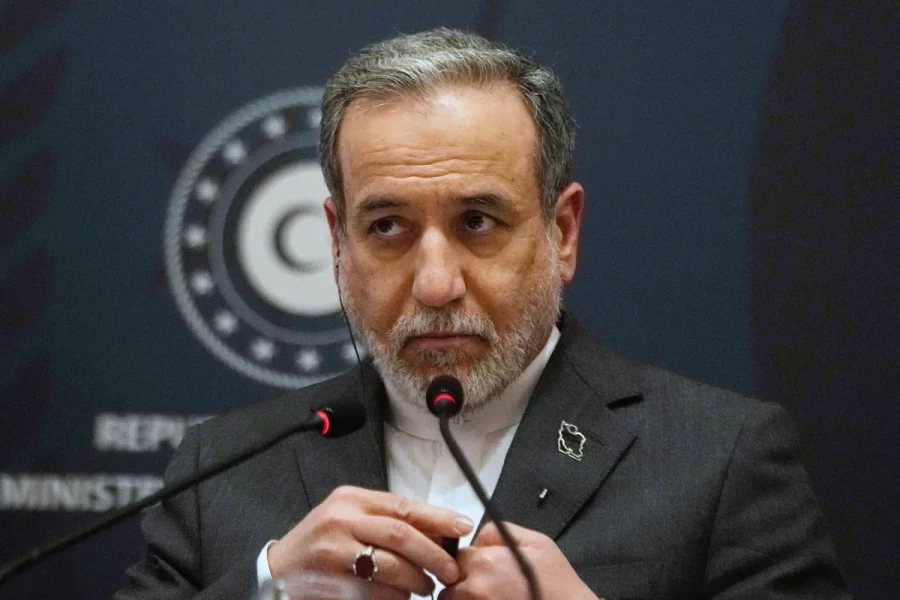
High-level negotiations between Iran and the United States in Islamabad aimed at ending the ongoing conflict in West Asia have concluded without an agreement. Iranian Foreign Minister Seyed Abbas Araghchi revealed that the two nations were on the verge of a historic breakthrough before the talks collapsed. According to Araghchi, the parties were only "inches away" from finalizing a deal that could have Notably altered the security landscape of the region.
In a detailed statement shared on the social media platform X, Araghchi emphasized that Iran participated in the discussions with full sincerity and good faith. He described the meeting as the most intensive and highest-level dialogue between the two nations in 47 years. Despite the diplomatic momentum built during the sessions, the proposed 'Islamabad MoU' remained unsigned, leaving the peace process in a state of uncertainty.
The Near-Success of the Islamabad MoU
The Iranian Foreign Minister highlighted that the framework for peace, referred to as the Islamabad MoU, was nearly finalized. Araghchi noted that the proximity to a deal was unprecedented in recent diplomatic history. However, he pointed out that the progress was halted abruptly during the final stages. The failure to bridge the last remaining gap has delayed the resolution of hostilities that have plagued the West Asian region for months.
Allegations of Shifting Goals and Obstruction
Araghchi explicitly blamed the United States for the breakdown of the talks. He alleged that the US delegation introduced "excessive demands" and frequently changed their objectives as the deal neared completion. According to the Iranian top diplomat, these shifting goalposts and deliberate obstructions made it impossible to reach a consensus. He remarked that "no lessons were learned" by the American side, suggesting a repetitive pattern in their negotiating tactics.
Historic Significance of the High-Level Dialogue
The Islamabad meeting is being viewed as a landmark event due to the seniority of the officials involved. This was the first time in nearly five decades that such high-ranking representatives from Tehran and Washington engaged in direct, substantive negotiations. The intensity of the 47-year peak dialogue underscored the urgency of the regional crisis, yet the lack of a final signature highlights the deep-seated diplomatic friction that persists between the two capitals.
Current Status of Regional Peace Negotiations
With the Islamabad talks ending in a stalemate, the prospects for an immediate ceasefire in West Asia remain dim. Araghchi’s comments reflect a significant level of frustration regarding the diplomatic process. While Iran maintains that it remains committed to ending the war, the Foreign Minister made it clear that they wouldn't succumb to pressure or evolving demands. The international community continues to monitor the situation as the diplomatic vacuum threatens to prolong the regional instability.
