
- India,
- 19-Jun-2026 08:13 AM IST



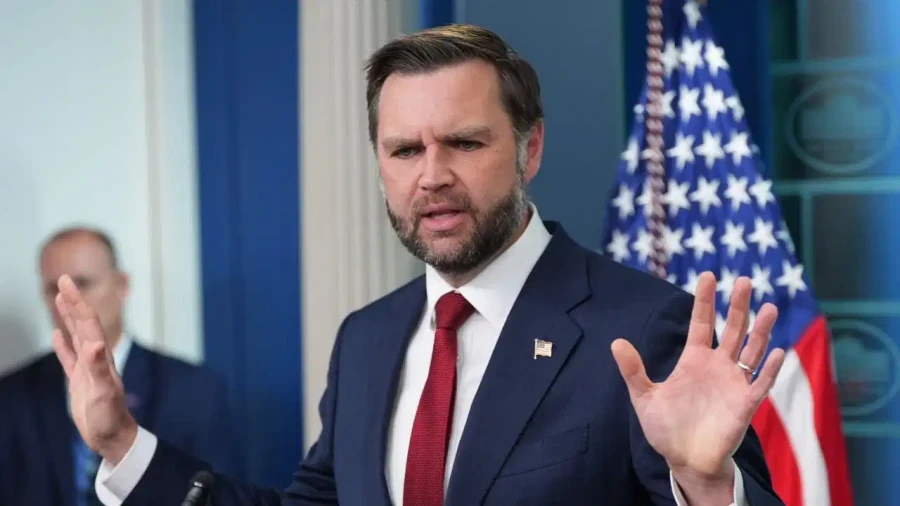
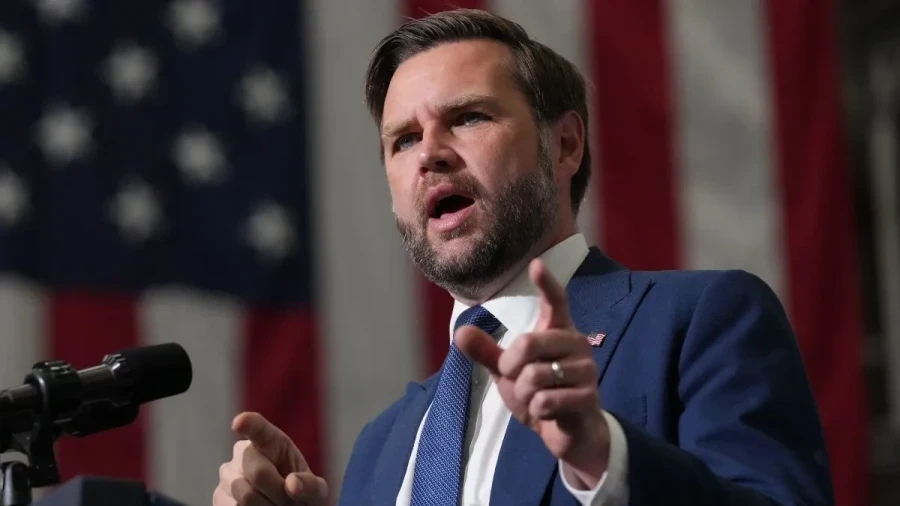
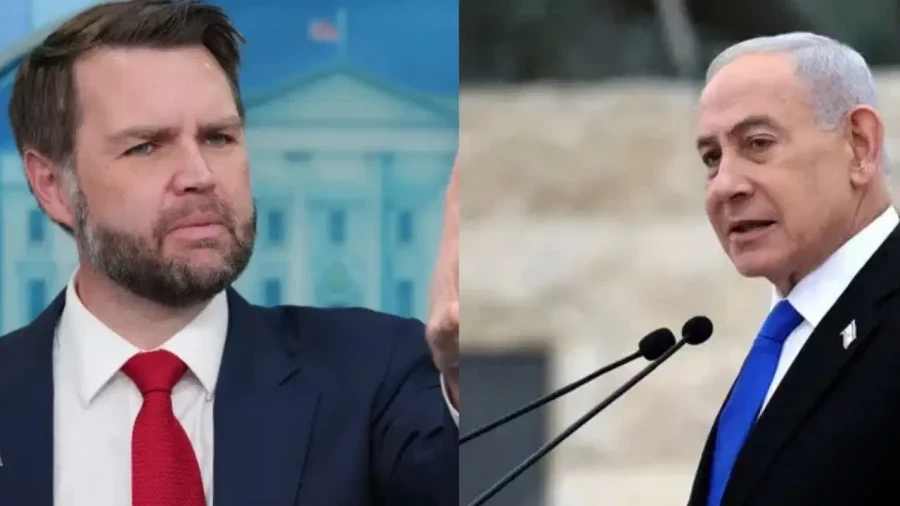
US Vice President JD Vance has strongly defended the recently concluded peace agreement between the United States and Iran. This landmark deal aims to bring an end to the ongoing hostilities between the two nations. However, the agreement has faced significant backlash from several prominent Israeli leaders. In response to this criticism, Vance questioned the 'killing' policy advocated by some Israeli officials, suggesting that military force isn't the only answer to complex geopolitical issues.
Vance Challenges Israeli Ministers
During a recent interview, Vice President Vance addressed the comments made by Israel's National Security Minister Itamar Ben-Gvir and Finance Minister Bezalel Smotrich regarding the US-Iran deal. Vance was direct in his critique, asking what their actual alternative proposal was. He pointed out that Israel is a nation of 90 lakh people and emphasized that a country can't solve every national security challenge simply by killing people. Vance noted that the current friction in Israel seems to stem from a lack of trust, though he believes the United States has successfully built trust within that region of the world.
Reasons Behind Israel's Opposition
The peace deal, which Vance is actively defending, was designed to de-escalate the conflict with Iran, while despite this, Israeli critics have voiced strong opposition. Their primary concerns lie in the deal's perceived failures: it doesn't effectively halt Iran's missile program and lacks a clear roadmap for dismantling Iran's nuclear facilities. Also, Israeli leaders argue that the agreement places undue restrictions on Israel's military actions against Hezbollah militants in Lebanon, which they view as a direct threat to their national security.
Trump's Advice and the G7 Summit
The diplomatic situation was further highlighted during the G7 summit in France. At the conclusion of the summit on Wednesday, Donald Trump advised Israel to adopt a more restrained and less aggressive stance in its military operations against Hezbollah in Lebanon. This advice comes at a time when the international community is closely watching the implementation of the peace deal and its impact on regional stability.
Netanyahu's Response and Security Priorities
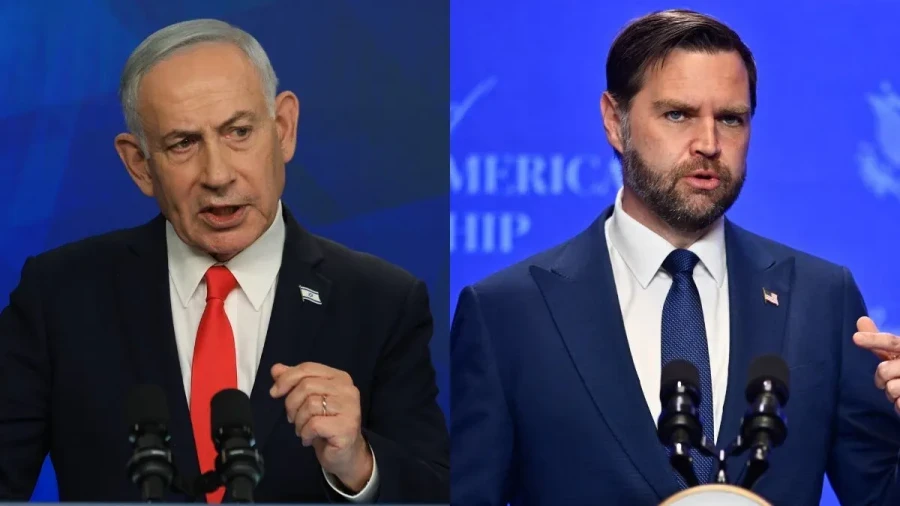
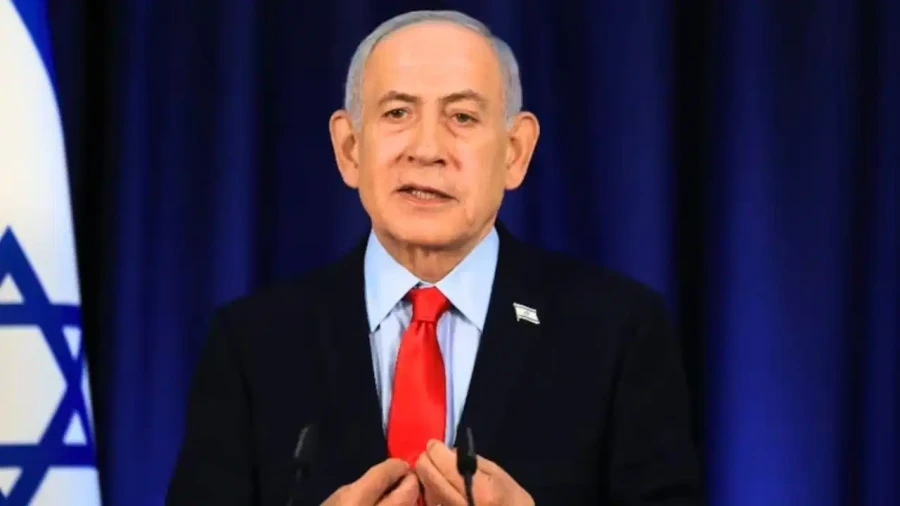
In his first public comments following the announcement of the deal, Israeli Prime Minister Benjamin Netanyahu acknowledged the importance of Israel's relationship with the United States. However, he remained firm on Israel's security requirements. Speaking at a public event, Netanyahu stated that Israel would maintain its occupation of southern Lebanon to ensure the safety of its citizens living near the northern border. He emphasized that while Israel values its American friends, it must take a strong stand on its own security interests.
On Thursday, Netanyahu reiterated that many challenges lie ahead. He stressed the need to maintain peace and protect security interests while preserving the vital bond with the US. " He also promised that Israel would restore security along the border with Lebanon. According to him, maintaining a security zone in southern Lebanon is essential for this purpose, and Israel won't withdraw from there as long as its security needs demand a presence.