
- India,
- 15-Aug-2026 12:02 PM IST



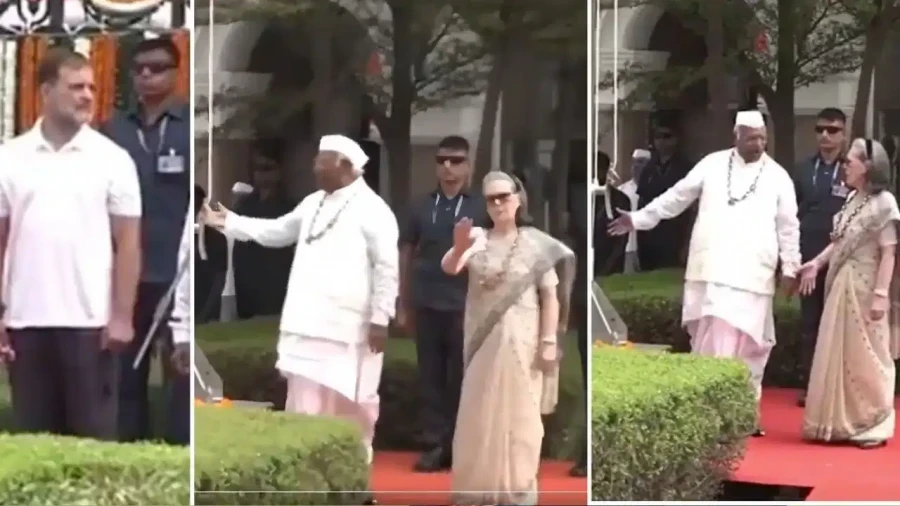
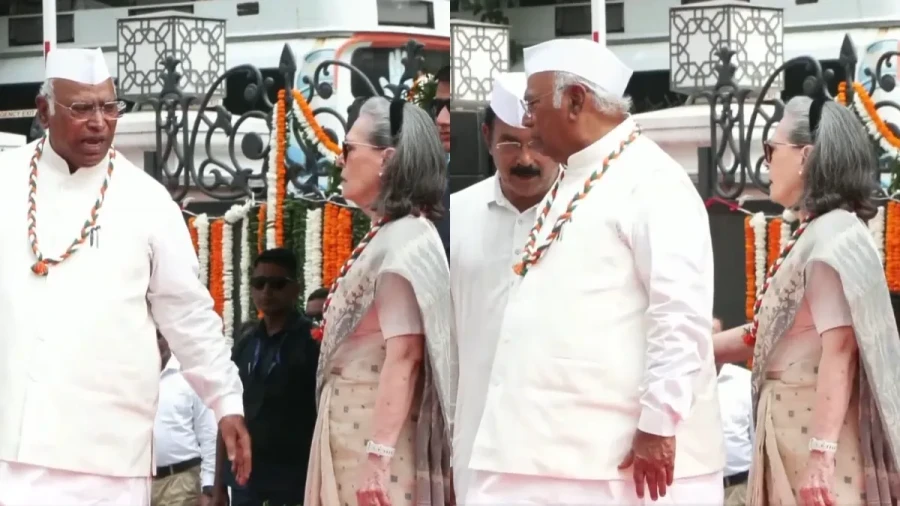
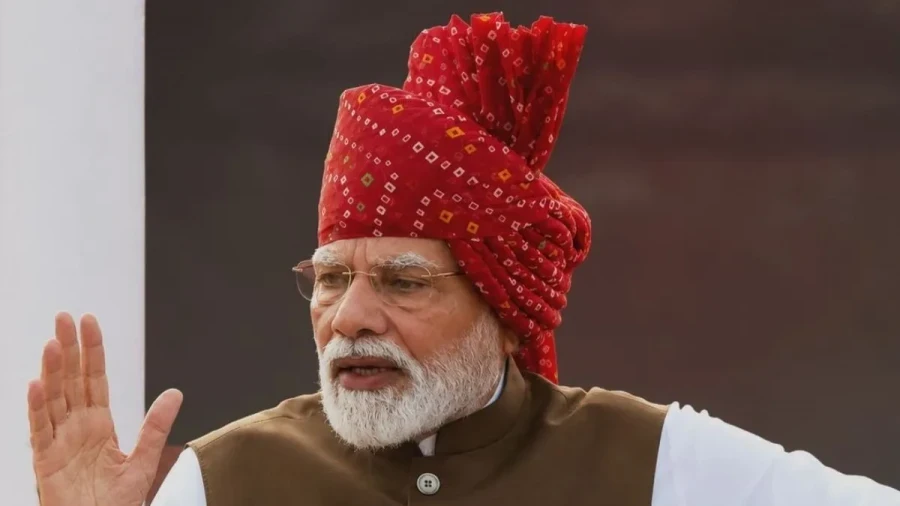
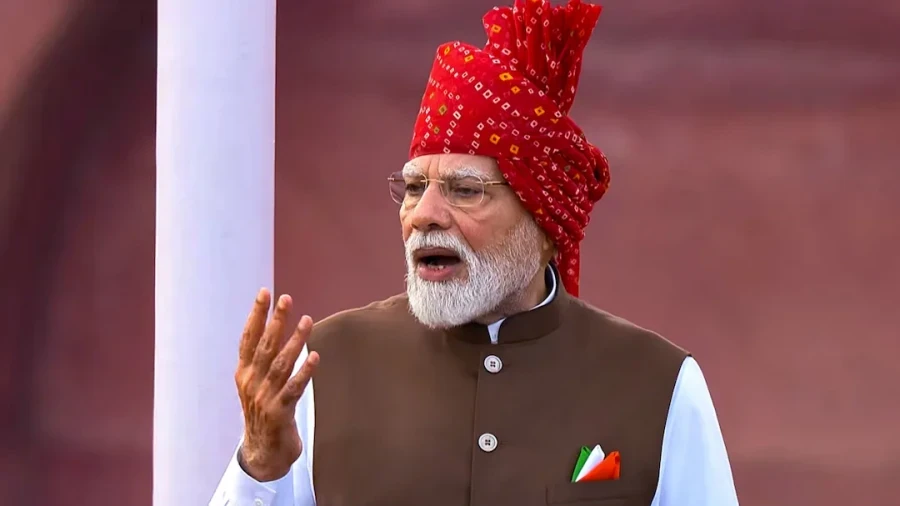
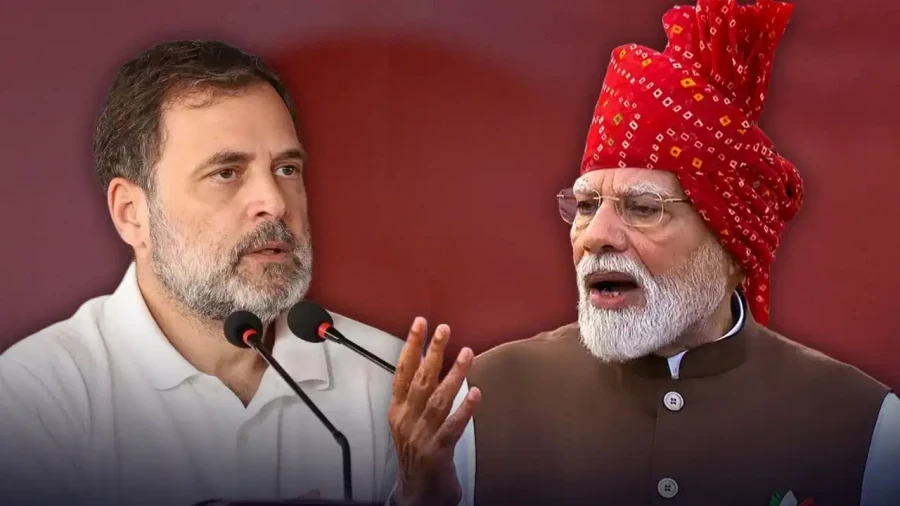
Prime Minister Narendra Modi addressed the nation from the ramparts of the Red Fort on the occasion of the 80th Independence Day celebrations. However, a significant political development was noted as Congress President Mallikarjun Kharge and senior leader Rahul Gandhi didn't attend the event, while this marks the second consecutive year that these prominent opposition figures have chosen to stay away from the official national celebration held at the historic Red Fort.
The Dispute Over Seating and Protocol
According to sources, the decision by Mallikarjun Kharge and Rahul Gandhi to skip the event is rooted in grievances regarding seating arrangements and what the Congress party perceives as disrespectful treatment. The party has expressed concerns that the government’s handling of opposition leaders during such high-profile national events has been derogatory. This sense of being sidelined has led to their continued absence from the 15 August program for two years in a row.
The roots of this specific controversy can be traced back to the Independence Day celebrations in 2024. During that event, Rahul Gandhi was seated in the second-to-last row at the Red Fort. This was seen as a major departure from established tradition and protocol, while rahul Gandhi holds the position of the Leader of the Opposition in the Lok Sabha, a role that carries the status of a Cabinet Minister. The opposition had termed the decision to assign him such a seat as an insult to the people of the country.
Defense Ministry's Justification
At the time of the 2024 controversy, the Ministry of Defense, which organizes the event, had provided a specific justification for the seating plan. The ministry argued that slight changes were made to the arrangement to accommodate Olympians who were invited to the ceremony. However, according to standard protocol for formal government functions, the Leader of the Opposition is traditionally seated in the first row, while the deviation from this norm has remained a point of contention for the Congress leadership.
Strained Relations and the Monsoon Session
The absence of the top Congress leaders also reflects the deteriorating relationship between the government and the opposition. This tension was highly visible during the recently concluded Monsoon session of Parliament, which ended on Thursday, 13 August. The session was marked by a significant decline in productivity and cooperation. Both the ruling party and the opposition blamed each other for the lack of meaningful work accomplished during the session.
The Monsoon session had a turbulent start on 20 July, coinciding with a march by students toward Parliament. Over the course of the session, a total of 12 bills were passed. However, the quality of legislative scrutiny was a concern, as only one of these bills—the law aimed at preventing paper leaks—was discussed in detail. The lack of debate on other legislative matters further fueled the animosity between the two sides.
Boycott of the Speaker's Tea Party
The friction reached a peak after the proceedings of the House were adjourned sine die. Following the conclusion of the session, Speaker Om Birla hosted a traditional tea party, which is a customary event for members of Parliament. However, in a show of protest and solidarity, the Congress party, the Trinamool Congress (TMC), and the Samajwadi Party (SP) collectively boycotted the event. This series of boycotts and absences, culminating in the skip of the 80th Independence Day event, underscores the deep political divide currently existing in the country's legislative and ceremonial landscape.