

- India,
- 06-Sep-2025 02:00 PM IST


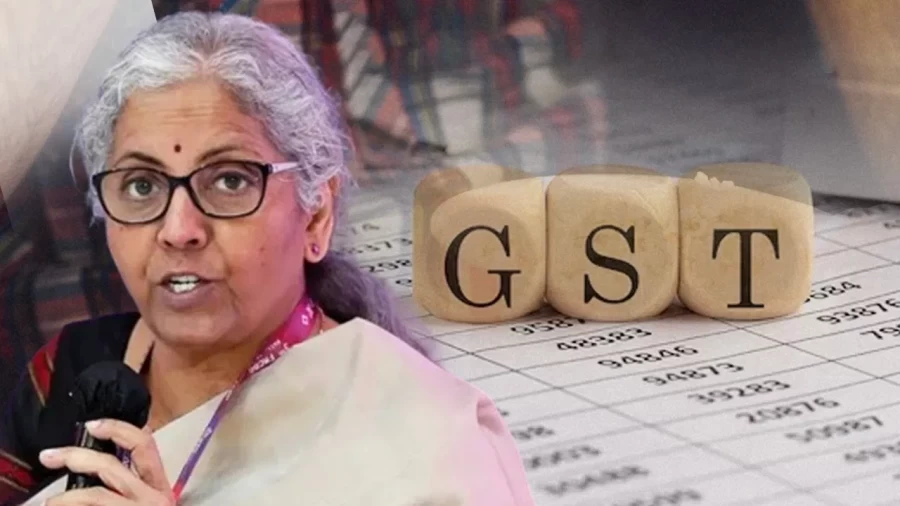
GST Reform 2025: On the night of 3 September 2025, Finance Minister Nirmala Sitharaman gave a big gift to the countrymen. After the marathon meeting of the GST Council, the central government announced a major change in the tax slab. After about 11 hours of brainstorming, the tax slabs of 12 percent and 28 percent have been abolished. Now only two slabs of 5 percent and 18 percent will remain. Along with this, the government took another important decision - all types of cess (additional tax) have been abolished. With this decision, many expensive things will become cheaper, especially the auto sector will get a big benefit from it. Let us understand this change in detail.
What is cess?
Cess is a special type of tax, which is levied by the Central Government on goods and services. It is implemented for a specific purpose, and the revenue generated from it is used for emergency or specific needs. Usually, it is used for the betterment of the sector from which the cess is collected. The money collected from the cess remains with the central government and is not shared with the states.
The central government levies various types of cess, such as:
GST Compensation Cess
National Calamity Contingency Cess on Tobacco and Tobacco Products
Building and Other Construction Workers Welfare Cess
Road and Infrastructure Cess
Health and Education Cess
Cess on Crude Oil and Export
The government can impose or remove cess from time to time depending on the need.
Auto sector will get big benefit
The decision to abolish the cess will benefit the auto sector the most. This will reduce the prices of small to big and luxury vehicles. Let us understand this with examples:
Effect on small cars
Cars up to 4 meters in length, whose engine is up to 1200cc (petrol) or 1500cc (diesel), till now were taxed at 28 percent and cess at 3 percent, that is, a total tax of 31 percent. Now after the new changes, only 18 percent tax will be levied on these cars. This category includes vehicles like Maruti Alto, Tata Punch, and Hyundai Grand i10.
Effect on luxury and SUV vehicles
Luxury and SUV vehicles, which have an engine capacity of more than 1500cc, length more than 4 meters, and ground clearance of 170mm or more, were till now taxed 28 percent and 17 percent cess, i.e. a total tax of 45 percent. Under the new rules, a sin tax of 40 percent will be levied on these vehicles, and the cess will be completely removed. This means that from September 22, 2025, these vehicles will become 5 percent cheaper.
Thus, all types of vehicles, from small cars to expensive SUVs, will become cheaper than before.
Who imposes cess?
In India, only the central government can impose cess. However, before implementing it, it is necessary to pass a law in the Parliament, in which the purpose of the cess is clearly stated. Cess cannot be imposed without any clear purpose. It is also worth mentioning that the money of the cess remains with the central government and it uses it according to its needs. State governments cannot impose cess nor do they get revenue from it.
