
- India,
- 14-Sep-2026 05:50 PM IST



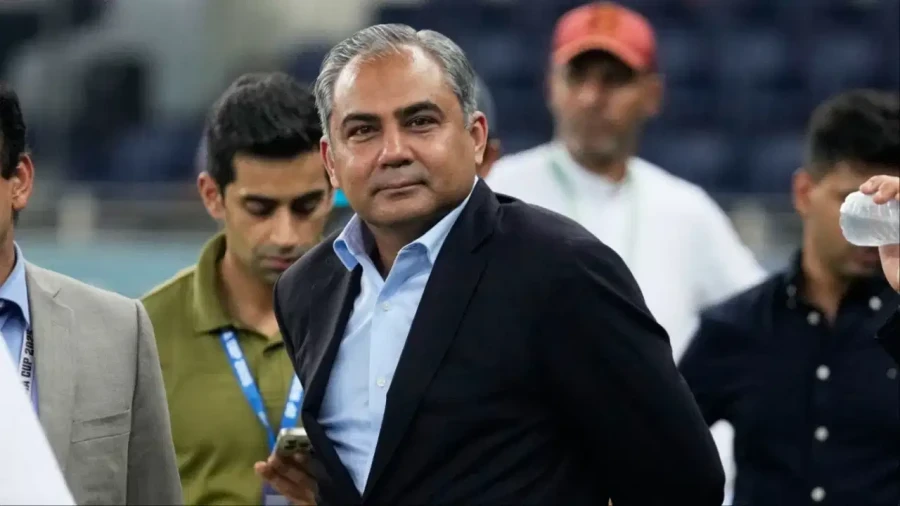
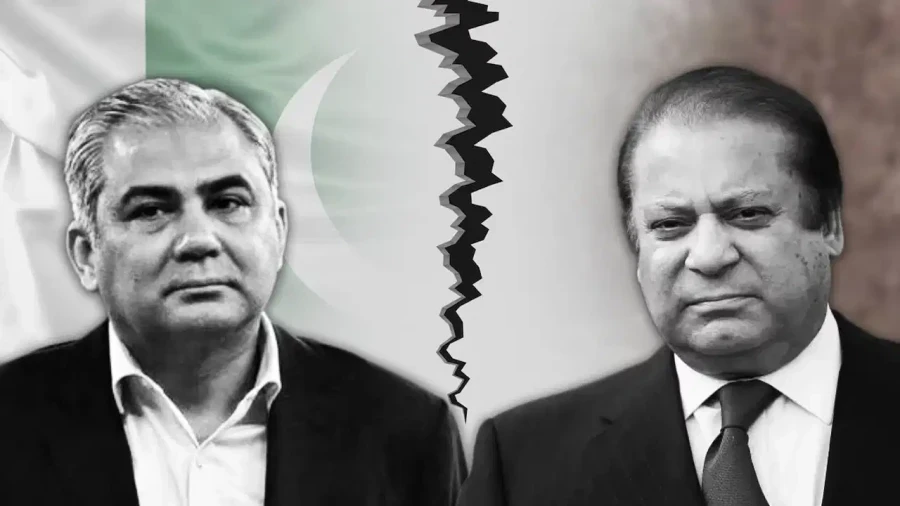
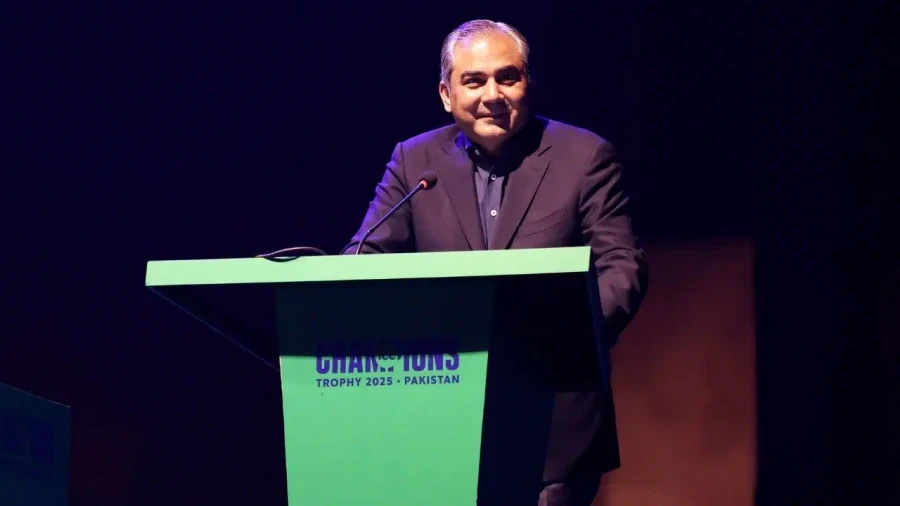
The Asian Cricket Council (ACC) is currently witnessing a significant period of uncertainty regarding its leadership as the tenure of Mohsin Naqvi, who also serves as Pakistan's Interior Minister, appears to be in jeopardy. The controversy stems from a series of incidents during the Asia Cup tournaments where the traditional trophy presentation ceremony became a flashpoint for diplomatic and sporting friction between India and Pakistan, while the situation has escalated to a point where Naqvi's continuation in the prestigious role beyond his current term seems highly unlikely, with reports suggesting that he might lose his seat as the head of the council.
The Trophy Presentation Controversy
The roots of the current crisis lie in the Asia Cup trophy ceremonies. Last year, after the Indian men's team emerged victorious in the Asia Cup, a notable incident occurred where the team reportedly showed reluctance or refused to accept the trophy directly from Mohsin Naqvi, who was presiding as the ACC chief. This pattern of defiance was repeated recently during the Women's Asia Cup. The Indian women's team followed a similar path, signaling a clear stance against receiving the championship silverware from the Pakistani official. These incidents have highlighted a deep-seated discomfort within the Indian cricketing establishment regarding Naqvi's dual role and his public positions.
Tenure and the Extension Hurdle
Mohsin Naqvi's current term as the President of the Asian Cricket Council is moving toward its final phase. His two-year contract is officially set to conclude in April 2027. While the ACC framework does allow for the possibility of extending an incumbent president's tenure, the current geopolitical and sporting climate suggests that Naqvi will struggle to find the necessary support. For an extension to be granted, a formal proposal must be moved by a member board during the Annual General Meeting (AGM), and it requires the consensus or majority support of the member nations, while given the current equations, it's widely believed that Naqvi won't receive the backing required for another term.
The ACC Rotation Policy Explained
The leadership of the Asian Cricket Council operates on a structured rotation policy designed to ensure representation from all major cricketing nations in the region. The presidency rotates among the five full member nations of the ACC, which include India, Afghanistan, Bangladesh, Pakistan, and Sri Lanka. Each term typically lasts for two years. This system is designed to prevent any single nation from maintaining a permanent hold on the top position. Decisions regarding the appointment and any potential extensions are finalized during the AGM, ensuring that no country can automatically occupy the post for two consecutive terms without a formal collective agreement.
Historical Context and Previous Leadership
To understand the current situation, it's essential to look at the recent history of the ACC presidency, while jay Shah of India served as the head of the ACC from January 30 2021 to December 6 2024. His tenure lasted approximately four years, which included his initial two-year term followed by two separate one-year extensions. Following Jay Shah's departure, Shammi Silva of Sri Lanka stepped in to fulfill the role of interim president. Subsequently, in April 2025, Mohsin Naqvi was elected for his two-year term. The contrast between the smooth extensions granted in the past and the current resistance against Naqvi highlights the growing divide within the council.
Impact of Political Statements
The friction isn't limited to the cricket field. Mohsin Naqvi's public statements following the Pahalgam terror attack have played a significant role in souring relations. His remarks, which were viewed as objectionable and provocative by the Indian side, have caused immense resentment among Indian cricket fans and the Board of Control for Cricket in India (BCCI). Given the strained relations between the two nations and the specific nature of Naqvi's comments, it's considered a certainty that the BCCI will never support any move to extend his tenure or allow him to continue in a position of authority within the ACC. His insistence over the past two years on being the sole official to hand over trophies to winning Indian teams has now seemingly backfired, putting his own administrative future at risk.