
- India,
- 29-Oct-2026 05:38 PM IST



The momentum of the Indian economy remains solid and sustained. 35 percent. However, amid this steady economic expansion, the rising inflation has also heightened concerns among the common masses. 83 percent recorded in the previous month of August. 74 percent. On the other hand, continuous growth in industrial production, exports, Goods and Services Tax collections, and bank credit disbursals are providing strong foundational support to the overall economy, keeping various commercial sectors buoyant and active.
Economic Growth Rate And Global Projections
35 percent. 8 percent. This indicates that while the pace of economic development has witnessed a very slight moderation, it still continues to remain remarkably strong. The International Monetary Fund has revised its full-year economic growth projection for India upward to 7 percent. 1 percent for the economy.
Surge In Industrial Production And GST Collections
The domestic industrial sector has also demonstrated notable strength and resilience. During the month of August 2026, industrial production registered a solid year-on-year growth rate of 8 percent. Within this period, the manufacturing sector output alone expanded by a notable 9 percent. 9 percent. Throughout the second quarter of the financial year, gross Goods and Services Tax collections witnessed an impressive growth of approximately 15 percent. 6 percent. These comprehensive financial indicators clearly establish that economic activities across the nation are progressing dynamically, with trade and commerce receiving adequate backing through credit availability.
Rising Inflation Pressures And Costly Food Items
Even as the broader economic indicators project positive development, mounting inflationary pressures have emerged as a significant challenge, squeezing household budgets. 83 percent recorded in August. 74 percent. Market analysts attribute this price escalation primarily to notable increases in the retail prices of essential food commodities such as onions, sugar, edible oils, and rice. To effectively rein in this rising trajectory of inflation, the Reserve Bank of India implemented a 25 basis points hike in the repo rate and progressively shifted its monetary policy stance from neutral to a gradual tightening posture, which may eventually influence borrowing interest rates for businesses and consumers alike.
Growth In Exports And Robust Foreign Exchange Reserves
Despite persistent uncertainties prevailing across global markets, India's total exports of merchandise goods and services registered an annual growth rate of 11 percent in September 2026.1 percent. Concurrently, the external financial health of the nation remains extremely secure. As of October 16, 2026, India's foreign exchange reserves stood at a staggering 721 billion dollars. 3 months of the nation's total import requirements. Maintaining such a strong foreign exchange buffer provides vital insulation for international payments and safeguards the domestic economy against unforeseen external economic shocks.
Deficient Rainfall Pressures Agriculture And Crop Output
Deficient monsoon rainfall experienced across various parts of the country poses a potential threat to the agricultural sector, serving as a critical area of concern. 12 lakh hectares recorded during the corresponding period of the previous year. It's noteworthy that the country experienced a 13 percent deficit in rainfall compared to the normal long-term average during the crucial June to September monsoon season. This rainfall shortage carries a persistent risk of adversely impacting overall agricultural crop yields and triggering further upward pressures on retail and wholesale food prices in the near future.
Expansion In Manufacturing Sector Employment And Investment
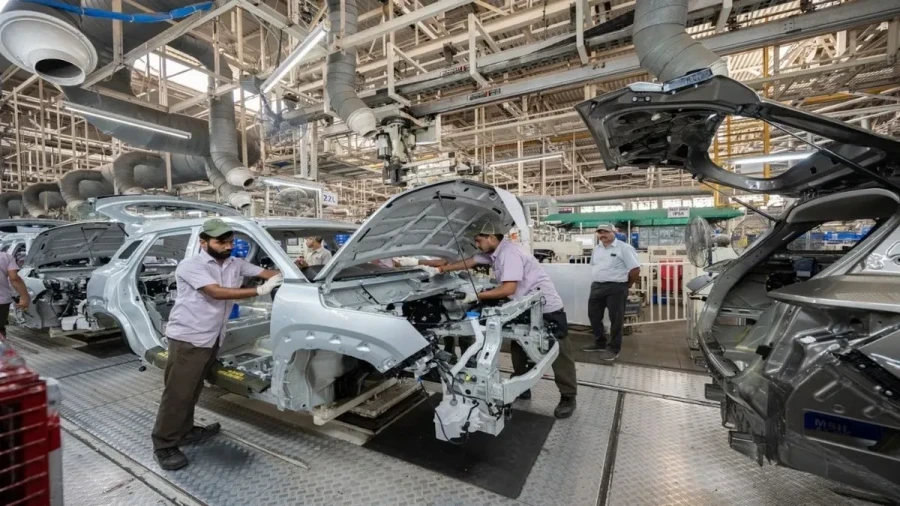
59 percent. 19 percent. 2 percent on a year-on-year basis. These comprehensive industry statistics decisively underline the fact that the domestic manufacturing sector is steadily expanding, generating new employment opportunities while concurrently attracting increased industrial investments across the board.