
- India,
- 29-Oct-2026 05:34 PM IST



A crucial hearing on the escalating pollution crisis in Delhi was conducted by the Supreme Court on Thursday. During the proceedings, the apex court engaged in a detailed discussion regarding the consistently deteriorating air quality in the national capital and its surrounding regions, along with various associated dimensions. The Supreme Court explicitly stated that it isn't in favor of imposing a complete ban on firecrackers. The court clarified that its intention is under no circumstances to hurt the sentiments of the common public, but rather to strike a delicate balance between festive celebrations and environmental preservation. Also, the court emphasized that it's imperative to implement existing rules and guidelines with utmost strictness to curb the hazardous pollution caused by firecrackers and safeguard citizen health.
During its observations, the bench noted that the auspicious festival of Diwali creates a positive atmosphere and brings joy to people's lives. Consequently, it becomes essential to ensure that all established regulations are diligently followed during the festive period while simultaneously keeping hazardous pollution under effective control. The Supreme Court instructed the relevant authorities to exercise special vigilance during the two critical days of Diwali to prevent pollution levels from rising dangerously.
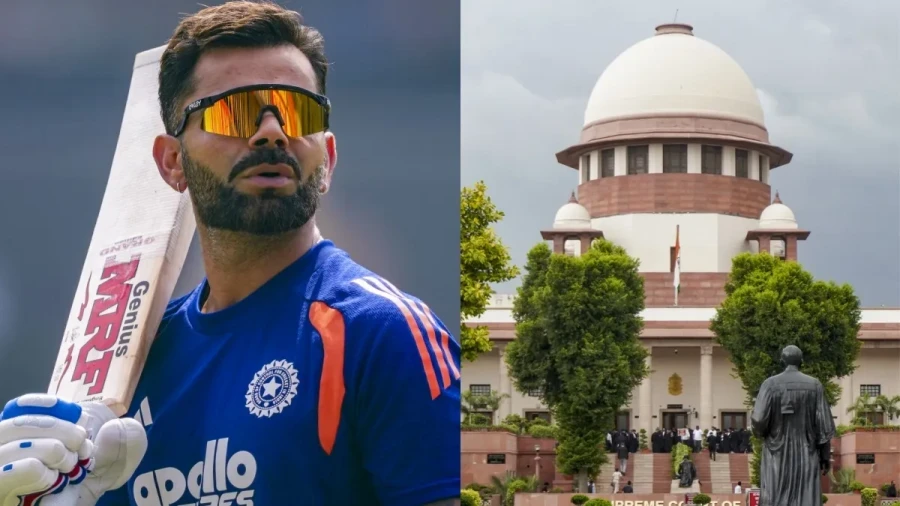
Why not take help from popular faces like Virat Kohli for awareness
In the course of the hearing, the Supreme Court posed a pragmatic question to the Delhi Government, asking why the assistance of popular and renowned personalities like Virat Kohli isn't enlisted to spread public awareness against pollution. The court highlighted that changing the mindset and behavior of every single individual in society is practically not possible overnight. Modifying deeply ingrained habits of the general public will naturally take time. That's why, alongside spreading awareness, it's equally vital to enforce regulations strictly. The court placed special emphasis on tackling this grave problem by keeping in mind the adverse impacts of toxic pollution on vulnerable groups such as children, the elderly, and differently-abled individuals.
Delhi government outlines comprehensive preparations against pollution
Representing the Delhi Government, Additional Solicitor General Aishwarya Bhati informed the apex court that the administration has Importantly intensified its preparations to combat the approaching pollution season. She stated that commercial and transport vehicles falling below the BS-VI emission standards coming from outside Delhi won't be permitted entry into the capital. The government has instituted rigorous measures to ensure that external polluting vehicles don't add to the local burden.
The Additional Solicitor General further detailed that the working timings of various government offices have been altered in a staggered manner to reduce peak traffic congestion. In addition, advanced anti-smog guns have been deployed strategically near construction sites across the city. According to government data presented, a total of 608 anti-smog guns have been installed across Delhi. Alongside these infrastructure measures, a comprehensive annual pollution control plan and dedicated control centers are actively operational to monitor and manage the situation closely.
Strong emphasis on strict compliance with regulatory measures
The Supreme Court proceedings highlighted the core understanding that merely imposing restrictions is insufficient to counter the menace of pollution, while along with educating the public, it remains equally critical that enforcement officials ensure meticulous compliance with rules on the ground. The court strongly underscored the need for maintaining special surveillance during the Diwali period and enforcing anti-pollution measures with high effectiveness. These judicial directives make it clear that both administration and citizens must maintain heightened alertness on the pollution control front in the days ahead.