
- India,
- 17-Oct-2026 05:38 PM IST



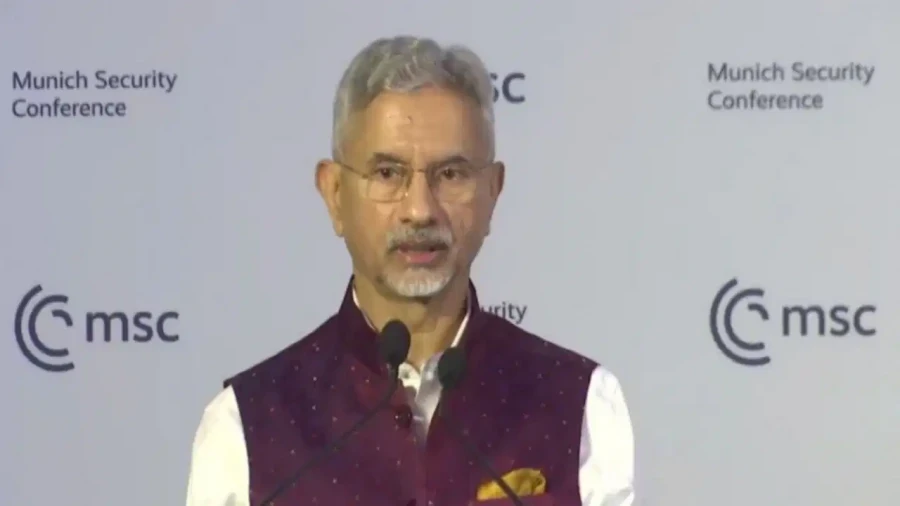
India is set to make massive waves in the global economy as South Korean economist Kyunghoon Kim predicts that the nation could be heading towards its longest-ever stretch of continuous economic growth exceeding 7 percent. Kyunghoon Kim, who serves as the Head of South Asia at the Korea Institute for International Economic Policy (KIEP), shared these insights through a series of posts on the social media platform X, detailing how the Indian economy has maintained a remarkably strong growth rate in the aftermath of the COVID-19 pandemic and how international institutions are continuously upgrading their growth forecasts for the upcoming fiscal years.
Potential Break of a Two Decade Old Record
7 percent in 2021. Over the subsequent four consecutive years, the country has recorded an economic expansion of more than 7 percent annually. Kim highlighted on X that this marks five straight calendar years of growth exceeding 7 percent, matching the stellar economic performance witnessed between 2003 and 2007. During that previous era, India commanded global attention as one of the prominent BRIC economies. He further added that if current economic projections hold true, India is well on track to surpass even that historic milestone.
Remarkable Five Year Average Growth and Historical Context
89 percent registered during the 2003 to 2007 boom period. This positions the recent five-year timeframe as the second-strongest economic period in India's history dating back to 1960. Kim emphasized that sustaining such high momentum over multiple years is truly a remarkable feat, while these numbers clearly demonstrate that India's recent economic expansion goes far beyond a temporary post-pandemic bounce and reflects deeper structural strength.
Upward Revisions by IMF, World Bank, and ADB
In his analytical thread, the South Korean economist shed light on how major international financial institutions have turned increasingly optimistic regarding India's economic trajectory. 4 percent to a strong 7 percent. According to its World Economic Outlook report released in October, the IMF also anticipates another 7 percent growth rate for the fiscal year 2027-28. Kim noted that numerous economists, including himself, have repeatedly revised their forecasts upward as quarterly GDP figures continued to surprise on the upside. His charts illustrate that institutions like the World Bank, IMF, and ADB have steadily raised their estimates, with current projections hovering around or above the 7 percent mark. Amid global headwinds marked by elevated energy prices, geopolitical tensions, and sluggish growth in several major economies, these upward revisions carry profound significance.
The Scale of Today's 7 Percent Growth is Vastly Larger
Kim articulated a crucial perspective regarding the sheer magnitude of India's economy today compared to the previous high-growth era. According to the shared metrics, India's GDP was barely over 1 trillion dollars in 2007, whereas today it's fast approaching the landmark 4 trillion dollar mark. This monumental shift implies that a 7 percent growth rate today translates into a substantially larger absolute expansion in economic output than the same percentage represented nearly two decades ago. Kim explained that the identical growth rate now signifies a much more massive economic scale. He projects that India is likely to emerge as the world's third-largest economy around 2030, although such rankings depend on exchange rates, inflation differentials, and the relative performance of other nations.
Celebrating India's Achievement Amid Acknowledged Challenges
4 billion people, maintaining a continuous growth rate of over 7 percent represents an extraordinary milestone. Nevertheless, Kim candidly acknowledged that a strong headline GDP growth rate doesn't automatically guarantee that household incomes, employment opportunities, or living standards have improved at an identical pace. The velocity of job creation, private investment levels, and wage growth remain critical yardsticks to determine the extent to which economic prosperity is percolating down to Indian families. Despite recognizing these existing structural challenges, his core argument was that India's stellar economic performance deserves far greater international recognition. He concluded his commentary on a positive note, expressing hope that future quarterly GDP data releases will continue to provide economists with opportunities to further upgrade their forecasts.