
- India,
- 17-Oct-2026 01:23 PM IST



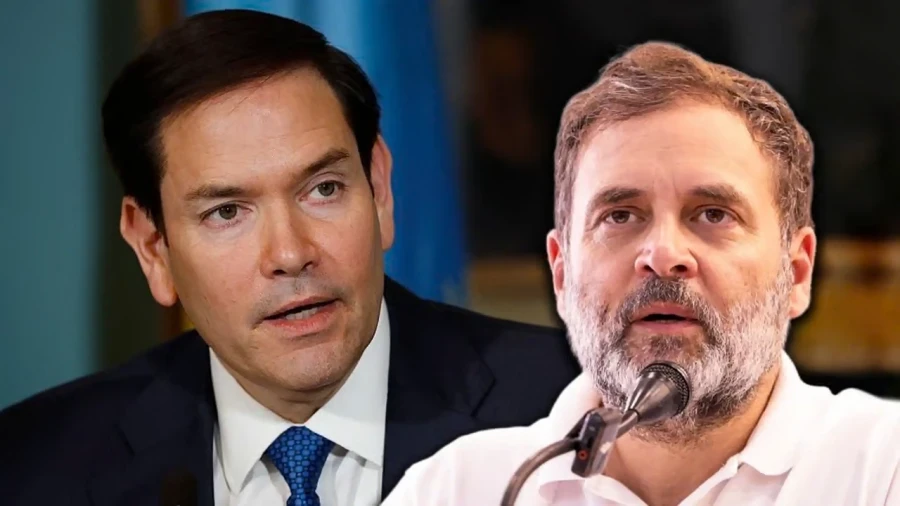
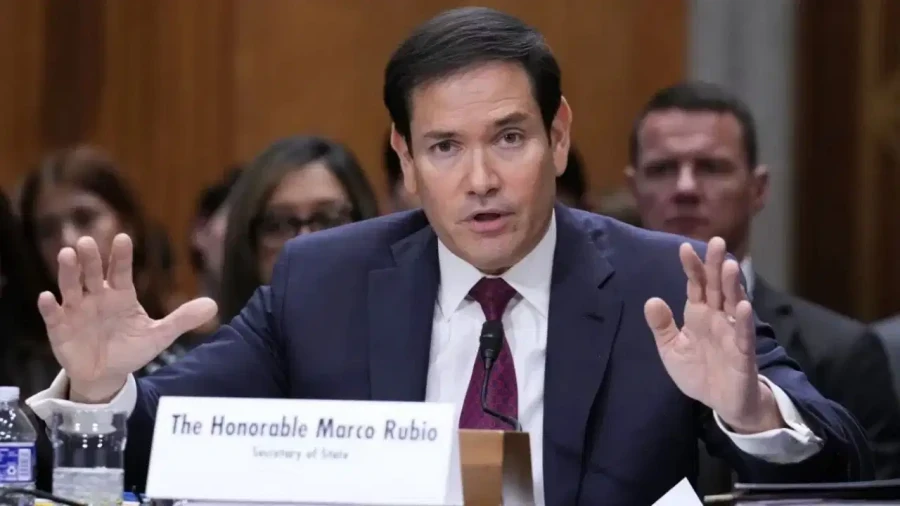
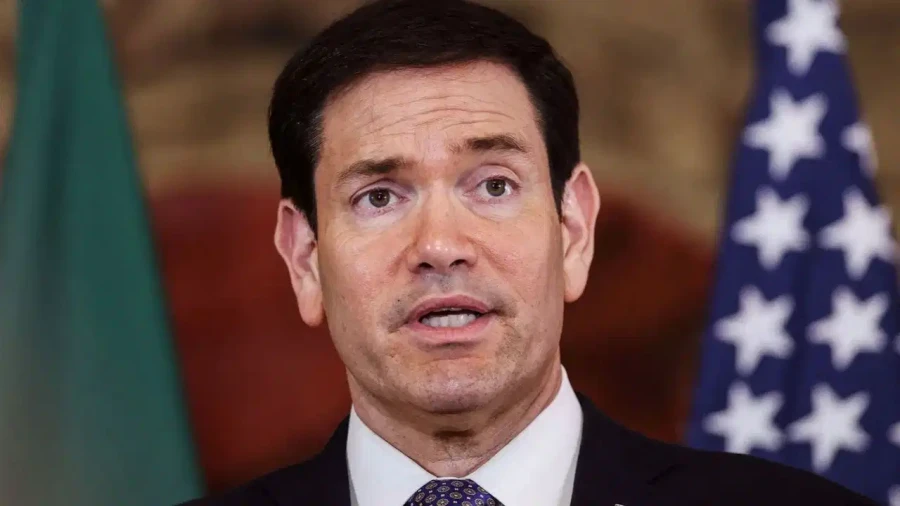
Ahead of US Secretary of State Marco Rubio's upcoming visit to India, a highly sensitive and significant issue has emerged from the American political landscape. Six prominent US progressive Democratic lawmakers have written an official letter to Marco Rubio, demanding that during his upcoming India visit, when he meets Indian External Affairs Minister S. Jaishankar in Mumbai, he should specifically raise the issue of excessive use of force and police action during student protests in India. These six major US leaders include Pramila Jayapal, Ilhan Omar, Jim McGovern, Rashida Tlaib, Eleanor Holmes Norton, and Jesus Garcia, who have jointly sent this letter to their country's Secretary of State, urging him to prioritize human rights-related matters in this diplomatic meeting.
Allegations of surveillance by Indian embassies and consulates
In this letter, these US lawmakers have not only mentioned domestic protests but have also raised serious questions about diplomatic missions located on American soil. The lawmakers alleged that the Indian Embassy in the US and Indian consulates present in other American cities had deployed photographers to monitor and track the activities of people protesting in support of the 'Cockroach Janata Party'. This matter could add a new dimension to the diplomatic talks between the two countries, as these lawmakers have directly expressed their objection to the functioning of Indian missions during protests taking place in the US.
Deep concern over security forces repression in the letter written on Friday
In the letter sent to US Secretary of State Marco Rubio on Friday, the lawmakers wrote that they're expressing their deep concern over the pattern of repression, wrongful detentions, and excessive use of force by security forces during student protests in Delhi and other parts of India. This group of lawmakers wants democratic principles to be placed at the forefront of bilateral relations between the US and India, and American diplomacy to play a fully active role in this direction. The letter also emphasized that as the world's largest democracies, and as parties to the International Covenant on Civil and Political Rights, both the US and India have a shared obligation to promote and protect the fundamental rights of assembly and freedom of expression of their citizens.
Mention of UN human rights experts and voter list revision
Not limiting itself to the student movement, this letter also raises questions about other administrative and electoral processes. It cites concerns expressed by United Nations human rights experts, raising several serious questions regarding the transparency of the voter list revision process and its potential impact on electoral participation. The lawmakers also specifically mentioned reports of how people have been arrested during protests and the actions taken by law enforcement agencies to deal with the demonstrations.
Cognizance of exam-related grievances and resignation of the education minister
Concluding their letter, the US lawmakers also discussed and took cognizance of some positive steps taken by the government of India, while mentioning the Indian government's response to students' grievances following exam-related concerns, the lawmakers stated in the letter that they've noted that the Indian government has taken certain important steps to address the grievances of students affected by exam leaks, which includes the resignation of Education Minister Dharmendra Pradhan. All eyes are now set on Marco Rubio's visit to India and his high-level meeting with External Affairs Minister S. Jaishankar, where discussions on all these issues are expected to take place.
As the world’s largest democracies, the U.S. and India have an obligation to promote and defend the rights to freedom of assembly and expression. @RepMcGovern and I are urging Secretary of State Marco Rubio to prioritize those freedoms and human rights when he meets with Indian officials in the coming days.
— Rep. Pramila Jayapal (@RepJayapal) October 16, 2026