
- India,
- 27-Aug-2026 05:34 PM IST



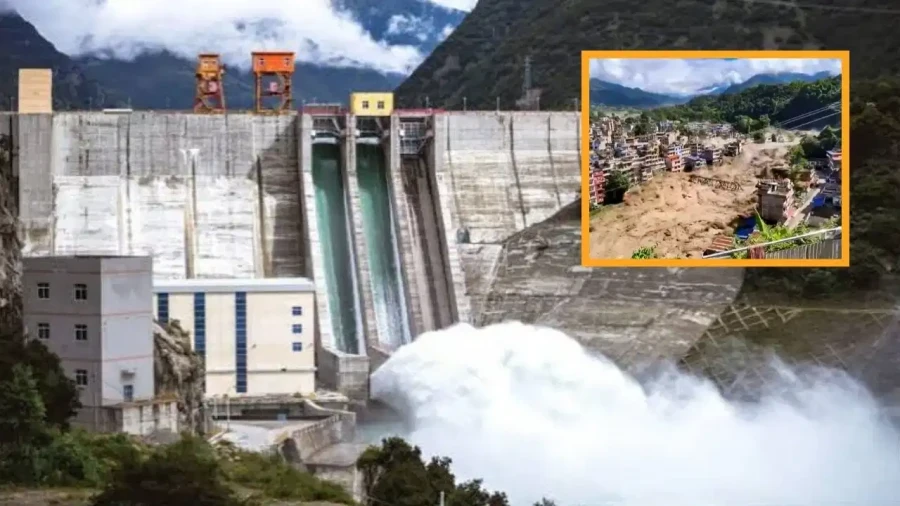
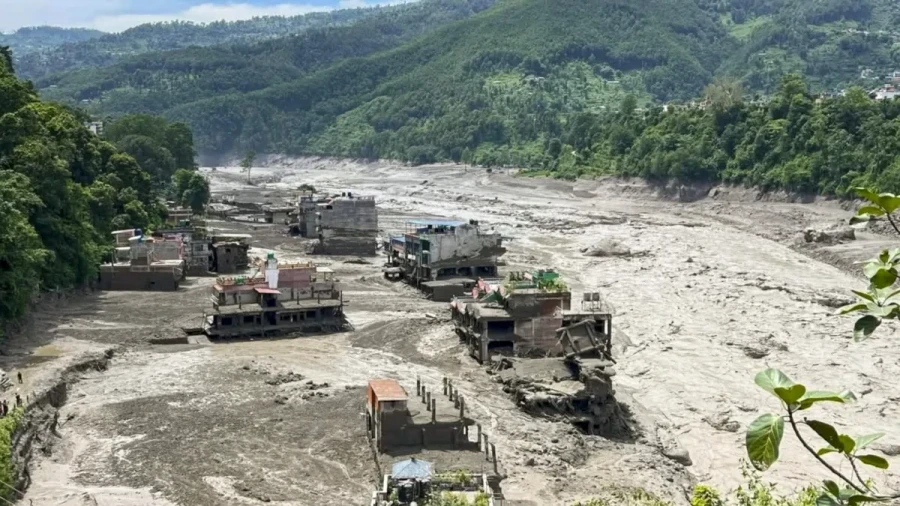
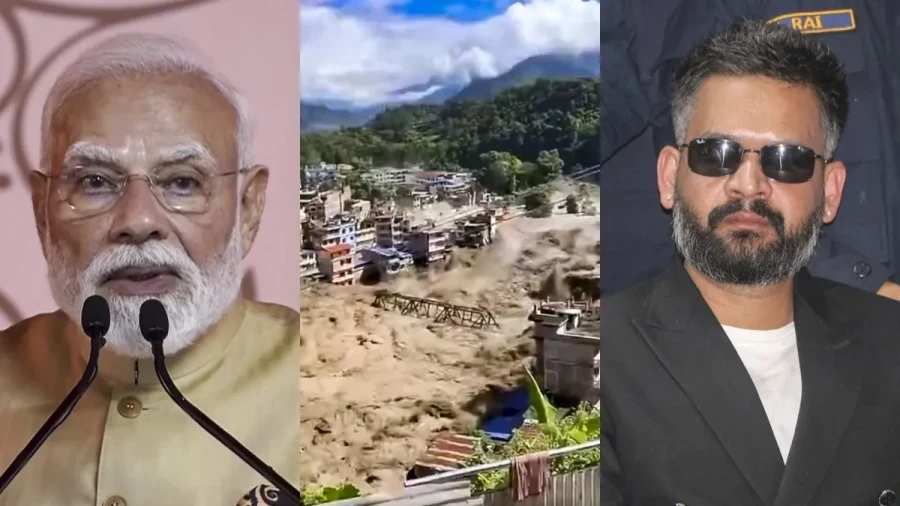
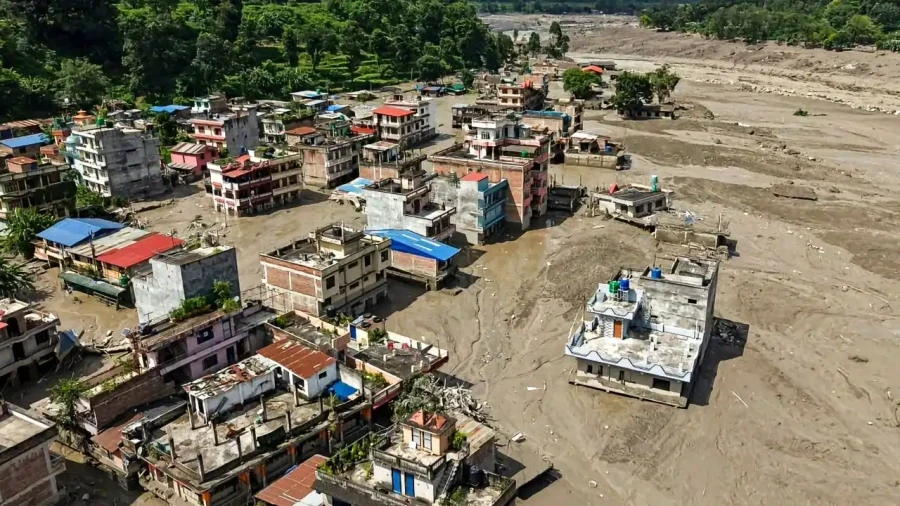
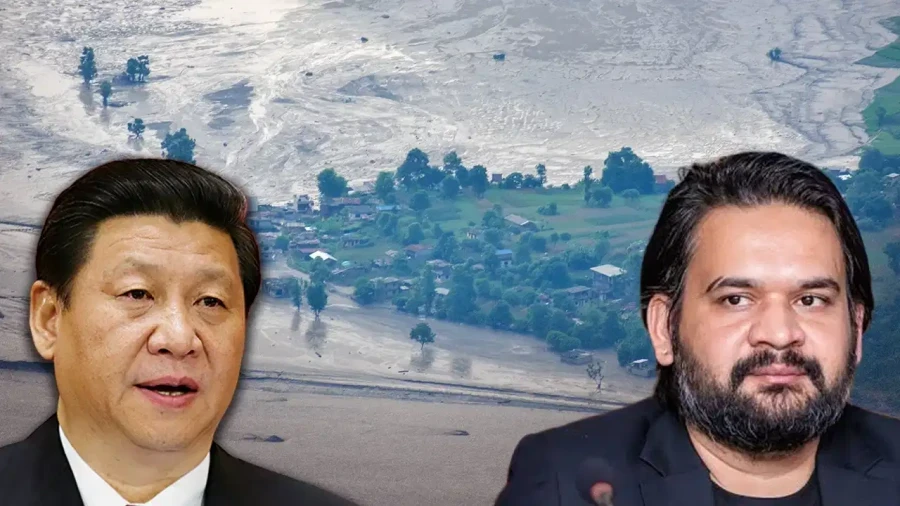
The Bhotekoshi river in Nepal has witnessed a catastrophic flood event on Wednesday, August 26, leading to widespread devastation and a rising death toll. According to the initial estimates provided by the government, the infrastructure damage caused by this water disaster has reached a staggering 15 billion rupees. The human cost is even more tragic, with more than 200 people confirmed dead and over 1000 individuals still reported missing. This sudden deluge has not only caused physical destruction but has also sparked a heated diplomatic debate between Kathmandu and Beijing regarding the actual cause of the disaster and the responsibility for the loss of life.
The Three Theories Behind the Catastrophe
As the search and rescue operations continue, three primary theories have emerged to explain how and why this horrific flood occurred in Nepal. The first theory suggests that a massive landslide occurred near Gyoring in Tibet, which subsequently caused a glacier to break. This sudden release of glacial water is believed to have surged downstream into the Bhotekoshi river. The second theory revolves around seismic activity. It's being argued that an earthquake triggered a landslide in Tibet, which then struck a lake and caused its dam to burst, while this dam failure resulted in a massive water explosion that traveled across the border into Nepal.
The third theory places the origin of the event within Nepal itself. According to this perspective, an earthquake first struck Nepal, followed by a landslide that blocked the natural course of the river. This blockage forced the water to change its path, leading to the terrifying flood seen in the Bhotekoshi region. Each of these theories points to a combination of natural disasters, but the location and the sequence of events remain a subject of intense scrutiny and disagreement between the two neighboring nations.
Allegations Against China and Information Delay
One of the most significant points of contention is the allegation that China withheld critical information. Nepal has accused China of providing information about the flood with a 45 minute delay. This delay is being cited as a primary reason why thousands of people were unable to move to safer locations in time, while former Prime Minister of Nepal, Pushpa Kamal Dahal Prachanda, has called for a more solid and efficient system for sharing information between the countries. During an all-party meeting in Nepal, political leaders collectively emphasized that the situation wouldn't improve until the information system is overhauled. They've demanded the establishment of a dedicated channel for sharing weather forecasts and disaster warnings between India, China, and Nepal.
The Threat of Glacial Lakes
The role of dangerous glacial lakes has also come to the forefront of the investigation. A report by the International Centre for Integrated Mountain Development (ICIMOD) and the United Nations Development Programme (UNDP) indicates that there are approximately 3,624 glacial lakes near the Nepal-China border. Out of these, 47 lakes have been identified as dangerous, and 8 are considered explosive. All of these explosive lakes are located within Chinese territory. It's widely suspected that the lake which burst was one of these Chinese lakes, although China has not yet provided any official confirmation or data regarding this possibility.
Dispute Over Earthquake Location
The geographical origin of the triggering earthquake is another point of dispute, while nepal's Foreign Minister, Shishir Khanal, stated that the landslide occurred following an earthquake, though he didn't specify the exact location of the tremor. In response, the Chinese Embassy issued a statement on Thursday claiming that the earthquake actually occurred within Nepal, while the embassy further asserted that the landslide itself also took place on the Nepalese side of the border. However, reports from the Nepal Times suggest that an avalanche occurred on the northern part of the 7,245 meter high Langtang Lirung mountain, which is situated in Nepal. This landslide reportedly blocked the path of the Lande river, and Nepal only received information about this blockage later through Chinese channels.