
- India,
- 27-Aug-2026 09:07 AM IST



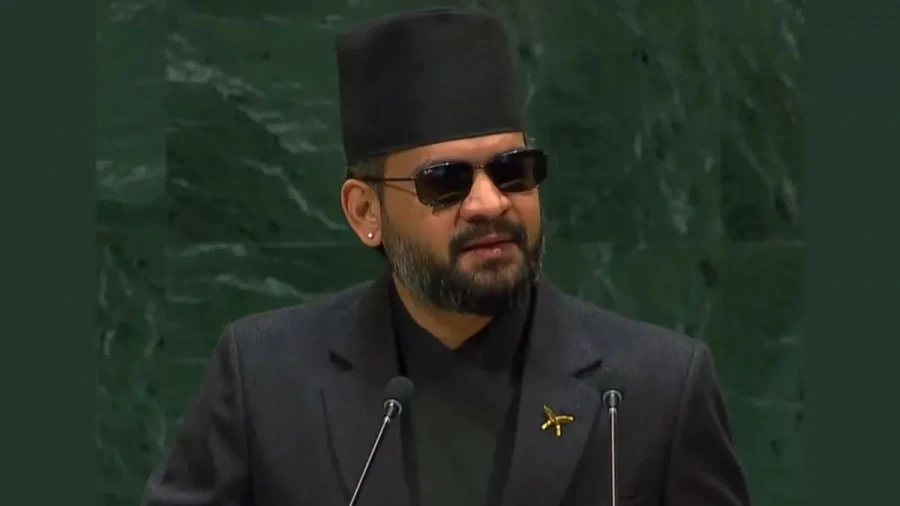
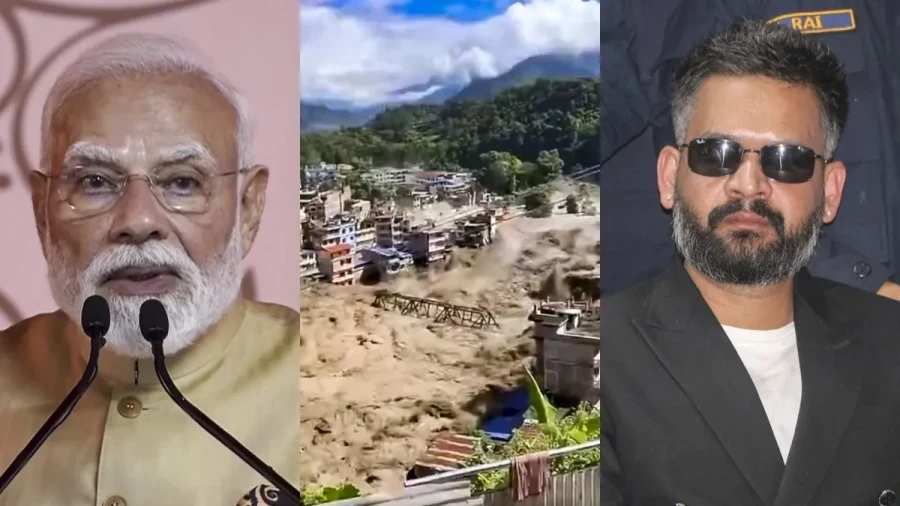
Nepal's Prime Minister Balen Shah has officially expressed his heartfelt gratitude to Indian Prime Minister Narendra Modi for the support and offer of humanitarian aid during the ongoing flood crisis in Nepal. Balen Shah appreciated the gesture of support from PM Modi, describing it as a symbol of the strong friendship between the two neighboring nations. The appreciation comes at a time when Nepal is grappling with the aftermath of a massive flash flood that has caused widespread destruction across several regions.
Diplomatic Solidarity and Condolences
Prime Minister Narendra Modi spoke to his Nepalese counterpart, Balendra Shah, over the phone on Wednesday to discuss the situation. During the conversation, PM Modi expressed his deep condolences for the loss of lives and the extensive damage to property caused by the floods. He assured Balen Shah that India is ready to provide all possible humanitarian assistance to Nepal. PM Modi emphasized that the people of India stand in solidarity with their brothers and sisters in Nepal during this challenging period. This gesture of support highlights the deep-rooted ties and the spirit of cooperation that define the relationship between India and Nepal.
Official Statement from Nepal PMO
The Prime Minister's Office of Nepal shared a message on the social media platform X, formerly known as Twitter, to acknowledge the support from India. The post stated, "Prime Minister Narendra Modi, thank you very much for your phone call and deep condolences, while we sincerely appreciate your kind words and the generous offer of help, showing solidarity towards Nepal in this difficult hour. " This public acknowledgment underscores the importance of India's role as a first responder and a reliable partner for Nepal during natural disasters.
Devastation Caused by Tibet Flash Flood
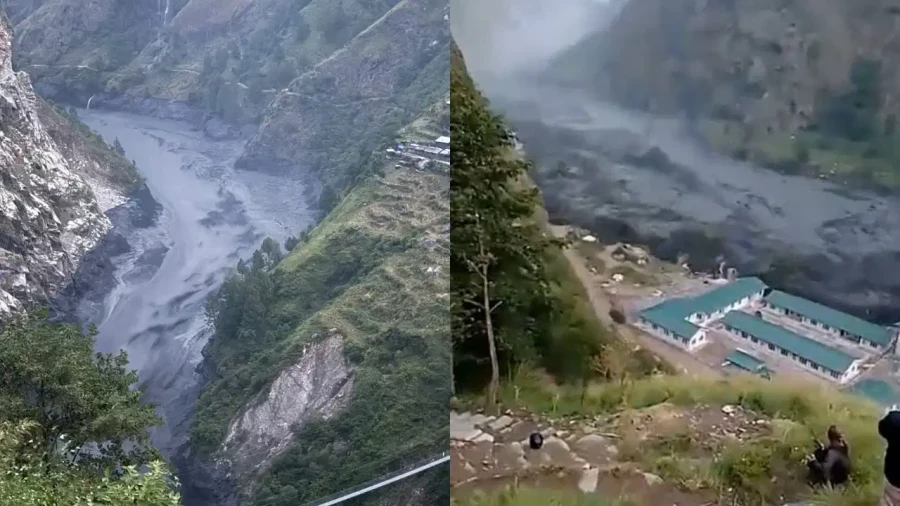
The crisis was triggered by a massive flash flood originating from Tibet, which struck the Bhotekoshi river on Wednesday morning, while the surge of water was so sudden and intense that local residents had no time to react or move to safety. People were engaged in their daily routines when a wall of water, hundreds of feet high, appeared before them. The situation quickly turned into a scene of chaos and panic as people scrambled to save their lives. According to local accounts, the force of the water was so powerful that it destroyed a significant portion of two large markets in just about 30 seconds. The rapid onset of the flood left the community in shock and caused immediate and severe damage.
Casualties and Missing Persons
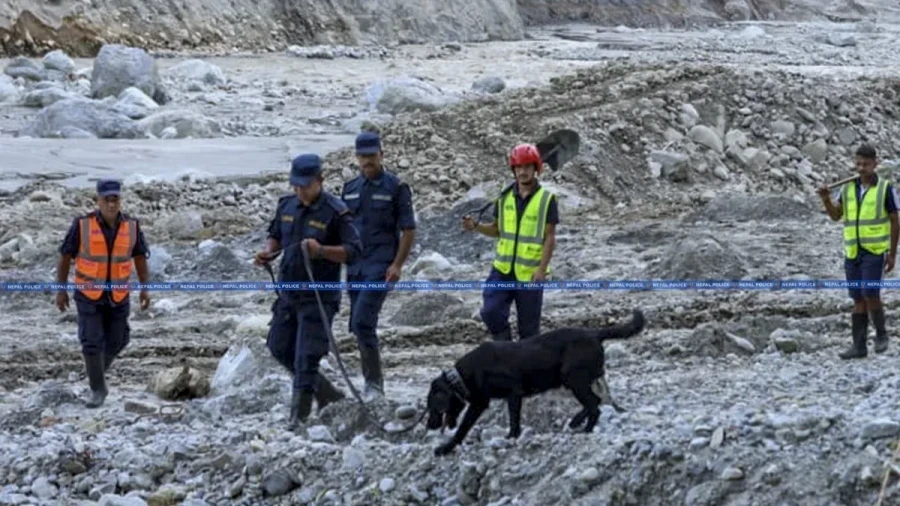
The human cost of the disaster is staggering. Reports indicate that 98 people have lost their lives so far, and the death toll is expected to rise as search and rescue operations continue. The scale of the tragedy is further highlighted by the fact that 750 passengers are currently reported missing. This group includes 291 foreign nationals and 93 Nepalese citizens. Among the missing foreigners, there are 133 Indians and 37 NRIs. A large number of these individuals were pilgrims who had set out on the Kailash Mansarovar Yatra, a journey that has now been tragically interrupted by the floods. The search for the missing remains a top priority for the rescue teams on the ground.
Infrastructure and Property Damage
The flash flood has left a trail of destruction in its wake, washing away homes, shops, and vehicles. Numerous buildings were seen being swept away by the debris-laden water. Almost every structure in the path of the Bhotekoshi river has been affected. Preliminary reports suggest that 3 police posts, several bridges, and multiple hydropower projects have sustained heavy damage. The disaster has also decimated a large portion of the roads and other essential infrastructure, making rescue and relief efforts even more difficult. The destruction of hydropower projects and bridges is expected to have long-term impacts on the region's economy and connectivity.