
- India,
- 31-Aug-2026 12:23 PM IST



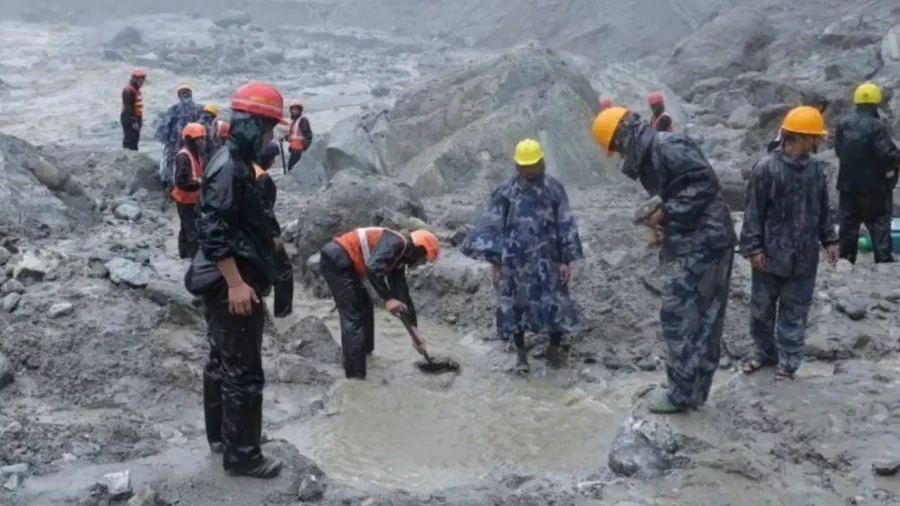
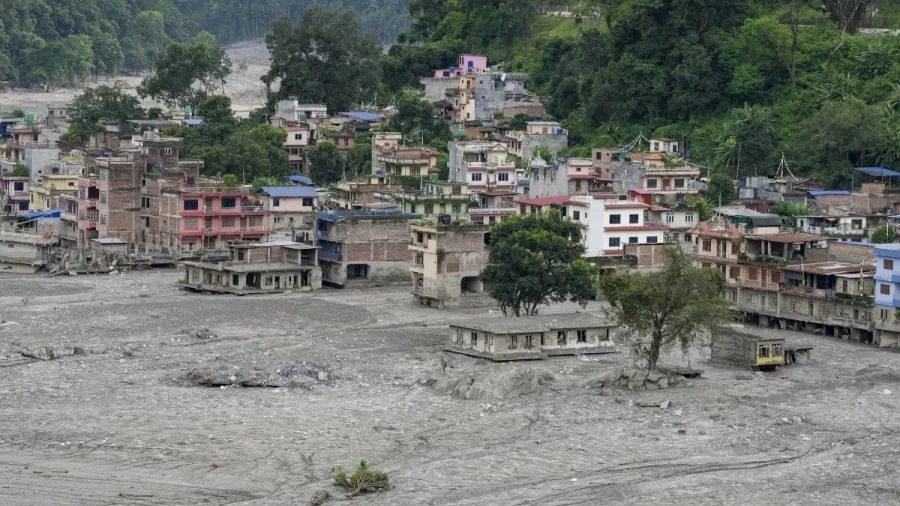
The catastrophic floods in Nepal have led to a massive loss of life and property, with the official death toll rising to 788 as of Saturday. The disaster, which was triggered by sudden flooding on August 26, continues to haunt the Himalayan nation as rescue teams recover more bodies from the thick layers of mud and debris. The situation remains extremely critical in several districts where the deluge has left a trail of unprecedented destruction. Authorities are working around the clock to navigate the challenging terrain, but the scale of the tragedy is immense, with thousands of families still waiting for news of their missing relatives.
Rising Water Levels and Fresh Warnings
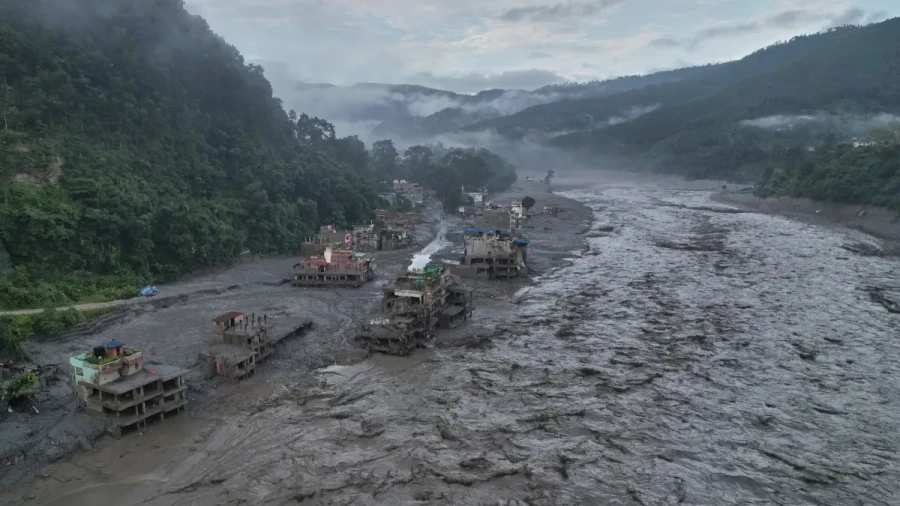
The National Disaster Risk Reduction and Management Authority (NDRRMA) has issued a fresh and urgent warning regarding the Bhotekoshi river. According to the latest reports from the authority, the water level in the river has started to rise again, posing a renewed threat to the already flood-affected regions. The NDRRMA has urged all rescue workers and residents living in the vulnerable districts to remain on high alert and take all necessary precautionary measures immediately. The authority stated that the water level in the flood-hit Bhotekoshi river has increased to some extent, and they're monitoring the situation closely to provide further updates as more information becomes available from the ground.
The Scale of the Missing and Rescued
According to the data provided by the NDRRMA, the number of people still missing after the disaster is staggering, with 2502 individuals unaccounted for. This figure includes 591 foreigners who were in the country at the time of the disaster. On a more positive note, rescue operations have been successful in saving approximately 9500 people from the flood-affected areas. These survivors include both local residents and tourists from various parts of the world, while the rescue efforts have been a massive undertaking involving multiple agencies and local volunteers who have worked tirelessly since the disaster struck on August 26.
Cause of the Disaster and Regional Impact
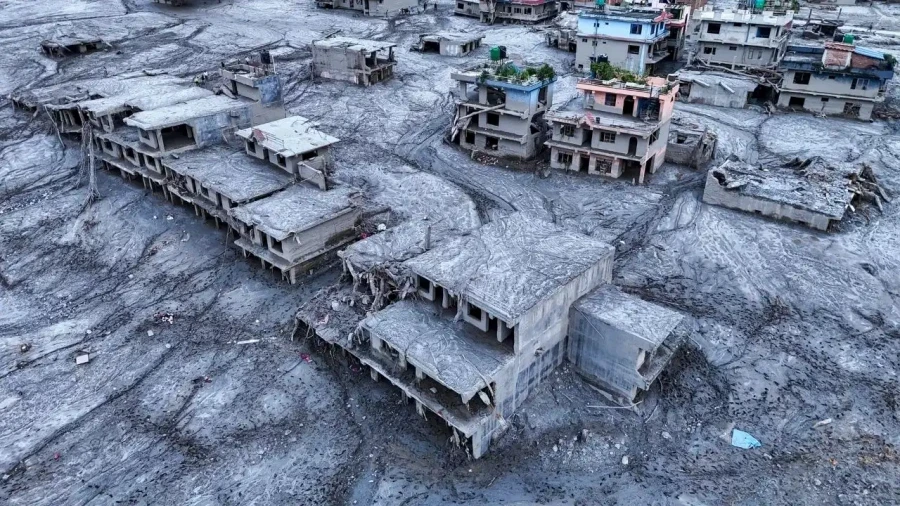
The disaster originated near the Nepal-Tibet border and was caused by the fall of ice and rocks or a massive avalanche. This natural event on August 26 devastated towns and villages across northern and central Nepal. The Bhotekoshi river, which flows south from the Himalayan border region, carried the floodwaters into lower-lying areas with immense force. The resulting surge washed away houses, vehicles, roads, and bridges, and caused significant damage to several hydropower projects in the region. The impact wasn't limited to Nepal alone; Chinese media reports indicate that the disaster also claimed 16 lives on the Chinese side, while approximately 550 people are reported missing in Tibet.
Status of Indian Nationals
The Ministry of External Affairs (MEA) in New Delhi provided an update on Saturday regarding the status of Indian citizens in the affected areas. The MEA stated that more than 275 Indians and 128 people of Indian origin are currently missing or can't be contacted. However, there has been progress in rescue efforts for Indian nationals. On Sunday, the MEA shared a list of 149 rescued individuals on its X handle. By Sunday evening, the total number of people rescued from the flood-hit zones reached nearly 9500. This group of survivors includes tourists from a wide range of countries, including India, the United States, China, Russia, the United Kingdom, Spain, Belgium, Germany, Italy, Malta, Turkey, Switzerland, and Portugal.
Challenges in Identification and Legal Procedures
In the hospitals of Nepal, large crowds of people have gathered, desperately searching for their missing relatives. The focus of the authorities has now shifted heavily toward the identification of the deceased, while photos of the victims have been placed on hospital walls, where crowds can be seen carefully examining them in hopes of finding their loved ones. However, the process is proving to be extremely difficult, while rajendra Prasad Dhamala, the spokesperson for the Bagmati Province Police Office, informed that only 17 bodies have been identified so far. He explained that the identification is a major challenge because most of the bodies recovered are in very poor condition or have been severely mutilated, while despite these challenges, 96 bodies have been buried after completing the necessary legal procedures. Before the burials, DNA samples were taken from the bodies and have been kept in secure locations according to existing regulations to allow for future identification.
The Long Road to Recovery
For the thousands of survivors, the challenge now is to rebuild their lives from scratch. Many people remain separated from their family members and are facing a future filled with uncertainty. Most of those who survived are now confronted with the difficult task of reconstructing everything they lost in the devastation. The psychological and economic impact of the disaster is expected to be felt for a long time as the nation mourns the 788 lives lost and continues the search for the 2502 people who are still missing.