
- India,
- 05-Aug-2026 05:43 PM IST



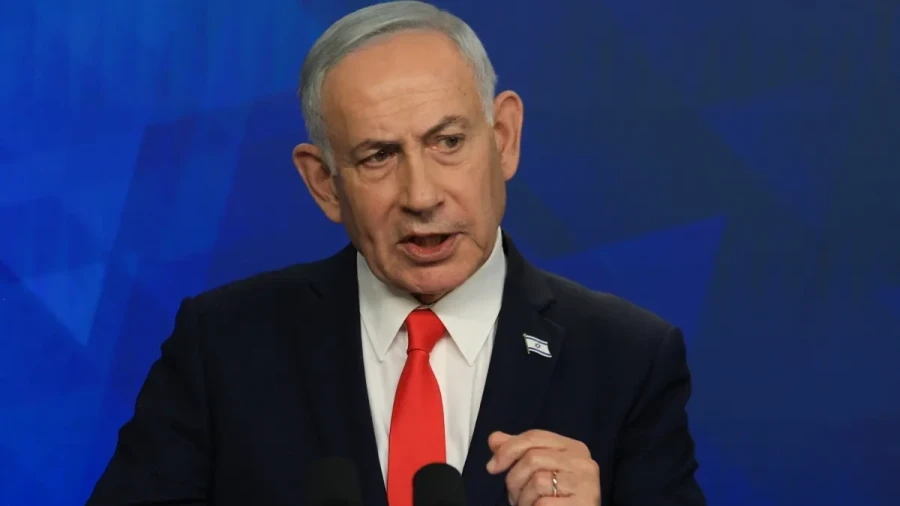
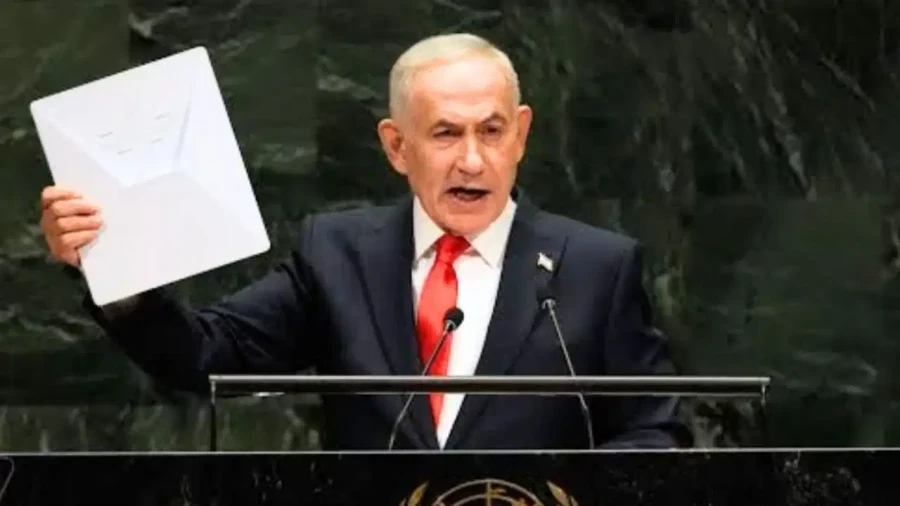
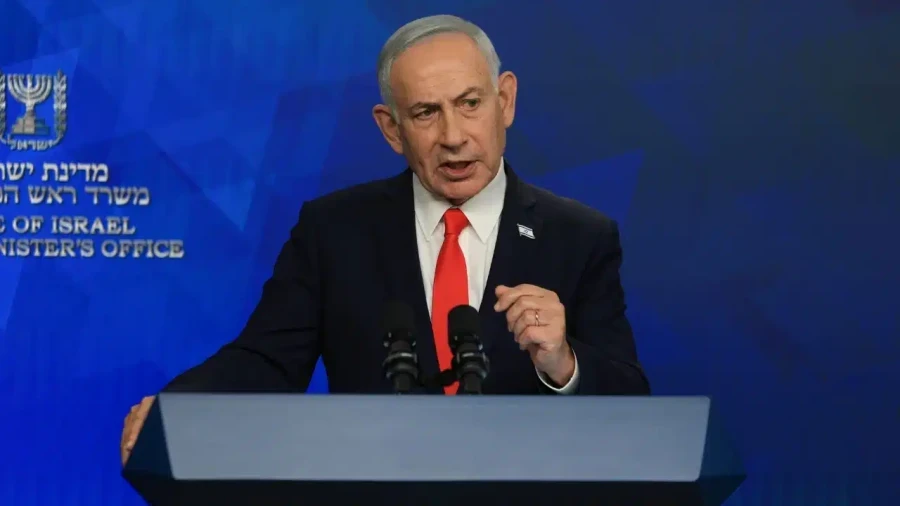
The diplomatic efforts led by United States President Donald Trump to establish peace in the Gaza region have encountered a significant obstacle, while israeli Prime Minister Benjamin Netanyahu has firmly declared that Israel won't withdraw its military forces from their current positions within Gaza until Hamas undergoes a complete and total disarmament. This announcement marks a pivotal moment in the ongoing conflict, as it directly challenges the framework of the peace initiatives recently proposed by the American administration.
Netanyahu Rejects the Proposed Peace Draft
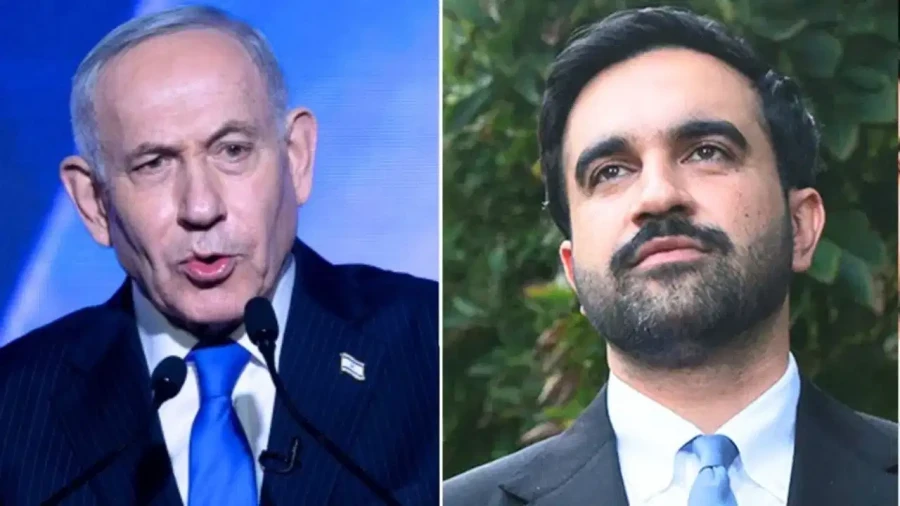
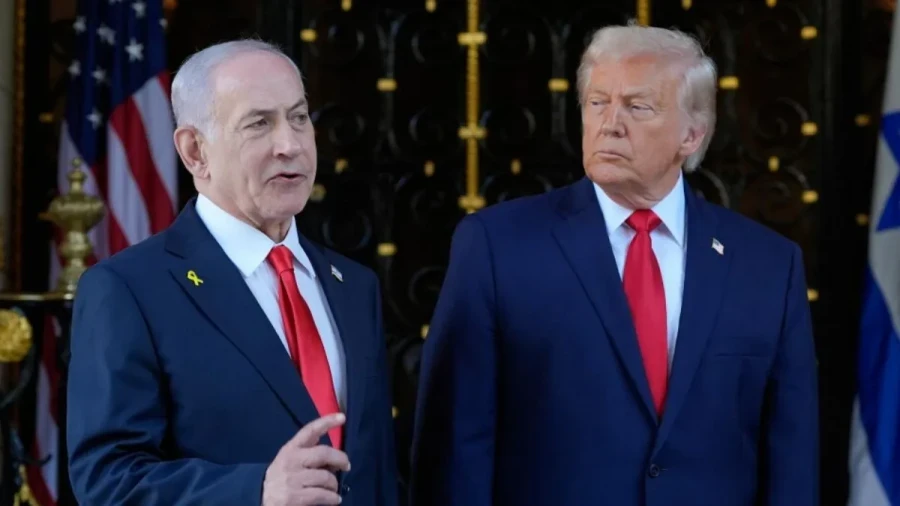
Prime Minister Netanyahu has voiced his explicit disagreement with the recent declarations made by Donald Trump regarding the peace process. According to Netanyahu, the draft presented by the Trump administration doesn't align with Israel's strategic requirements or its vision for long-term security, while he clarified the situation by stating that the Trump administration had indeed sent a draft proposal to the Israeli government, but it was met with rejection. Netanyahu emphasized that the document wasn't an Israeli draft and that Israel has already communicated its own specific stance and opinions back to the United States. This development brings the underlying tensions and differences in opinion between the Netanyahu administration and the US leadership into the public eye.
The Terms of the Disarmament Deal
The deal in question was designed to initiate a structured process where Hamas would begin laying down its arms. In exchange for this disarmament, Israel was expected to cease its military operations and commence a withdrawal from approximately 60 percent of the Gaza territory that it currently holds under its control. This proposed arrangement was rooted in the ceasefire agreement reached in October, which had successfully brought an end to large-scale military operations and facilitated the release of individuals kidnapped during the conflict. However, despite these initial steps, the deal has failed to gain momentum on other critical fronts, primarily due to the fundamental disagreement over the sequence of withdrawal and disarmament.
Security Concerns and the Risk of Hamas Resurgence
The Israeli government's refusal to retreat is grounded in deep-seated security concerns. Doron Spielman, a spokesperson for the Israeli Prime Minister's Office, recently provided insight into the government's assessment of the situation. He explained that withdrawing the Israeli Defense Forces before Hamas has completely disarmed would be a strategic error. The Israeli assessment suggests that such a move would allow Hamas to rapidly expand its presence across the entirety of the Gaza Strip. Spielman warned that Hamas would take the opportunity to rebuild its terrorist infrastructure, thereby posing a renewed and immediate threat to Israeli communities. The primary fear remains that without total disarmament, Hamas could attempt to orchestrate a repeat of the devastating attacks witnessed on October 7, 2023. Consequently, Netanyahu maintains that the Israeli military will continue to perform all actions necessary to safeguard its territory and ensure the safety of its citizens, prioritizing security over the proposed withdrawal timelines.