
- India,
- 27-Jul-2026 03:26 PM IST



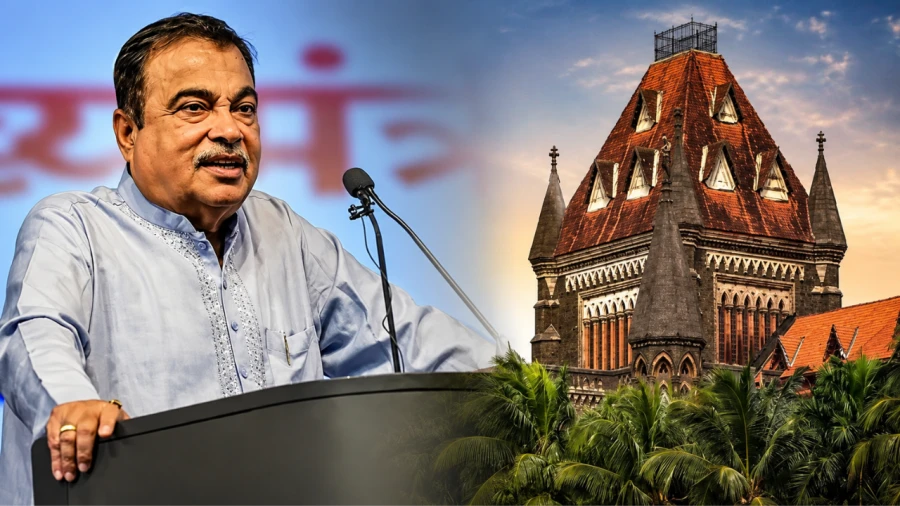
Union Minister for Road Transport and Highways, Nitin Gadkari, has taken a firm legal stand against the spread of misinformation on social media. He has filed a defamation lawsuit in the Bombay High Court concerning the E20 ethanol blending policy. The legal action is directed at several parties following the circulation of alleged AI-generated deepfake videos and misleading posts that have been surfacing on various digital platforms. The Bombay High Court has formally accepted the petition and has scheduled the matter for a hearing regarding the demand for an interim injunction.
Defendants and Legal Action
In this high-profile defamation case, Nitin Gadkari has named several major entities as defendants, while these include Meta, the parent company of Facebook and Instagram, as well as the social media platform X, formerly known as Twitter. The petition highlights that these platforms have been used to disseminate false claims and fabricated content, while the minister is seeking the immediate removal of the deepfake videos and misleading posts from these platforms. Plus, he has requested the court to issue an order to stop the further circulation of such content and to initiate strict action against those responsible for creating and spreading this misinformation.
Allegations of Personal Gain Refuted
The core of the petition addresses the false claims being made on social media platforms. According to the lawsuit, these posts wrongly suggest that Nitin Gadkari and his family have received personal financial benefits from the implementation of the E20 ethanol blending policy. Gadkari has categorically dismissed these allegations as completely baseless and defamatory. He clarified a significant administrative point in his defense, stating that the ethanol blending program actually falls under the jurisdiction of the Ministry of Petroleum and Natural Gas, rather than the Ministry of Road Transport and Highways. By highlighting this jurisdictional fact, the minister aims to prove that the accusations of personal influence and profit are factually incorrect.
Insights from India TV Interview
The minister recently discussed the E20 policy and the ongoing debates surrounding fossil fuels in an exclusive conversation with India TV. During this discussion, he addressed the doubts and concerns being raised by various quarters. Gadkari emphasized that the use of E20 fuel was only initiated after comprehensive and rigorous testing. He stated that the government ensures any new technology undergoes thorough evaluation before it's introduced to the public. This statement was intended to reassure citizens about the safety and reliability of the ethanol-blended fuel currently being promoted across the country.
Addressing Engine Damage Concerns
One of the major points of contention in the social media propaganda has been the alleged damage to vehicle engines caused by E20 fuel. Nitin Gadkari addressed this directly, stating that he has not received any official complaints regarding engine failure or damage due to the use of E20. He questioned the motives behind such propaganda, though he noted that he didn't wish to dive into into exactly who was orchestrating these campaigns, while to further prove his point, Gadkari issued an open challenge to critics, asking them to show even a single car that has been damaged by the use of E20 petrol. This bold stance underscores his confidence in the technical viability of the fuel policy.
Economic and Environmental Benefits
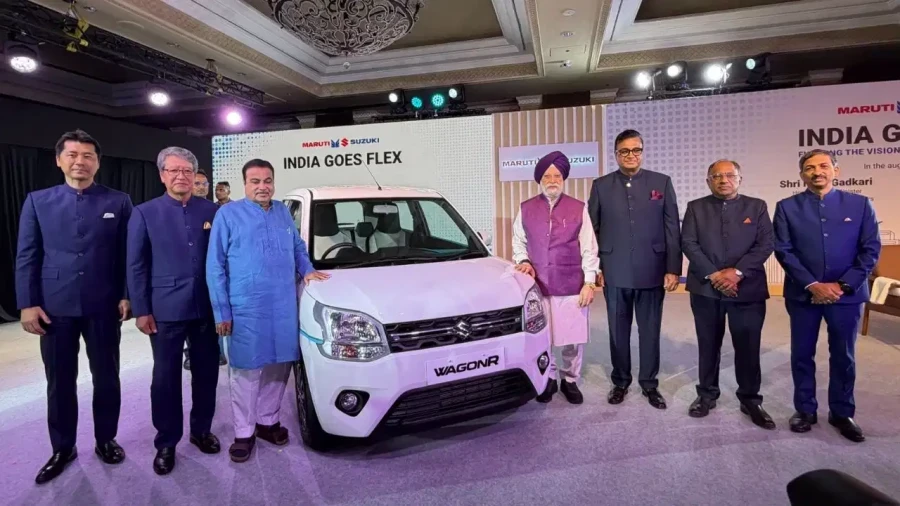
Beyond the legal battle, Nitin Gadkari reiterated the broader vision behind the ethanol policy. He described ethanol as the fuel of the future, essential for making India self-reliant in the energy sector and for protecting the environment. He pointed out the positive economic impact on the agricultural sector, noting that when ethanol production from maize began, the prices of maize increased, Importantly benefiting farmers. He also highlighted how the advent of ethanol has transformed the fortunes of sugar mills and sugarcane farmers, while gadkari posed a fundamental question to the public, asking whether the country shouldn't strive to become self-sufficient in terms of energy requirements, thereby justifying the strategic shift towards ethanol blending.