
- India,
- 26-Nov-2026 05:34 PM IST



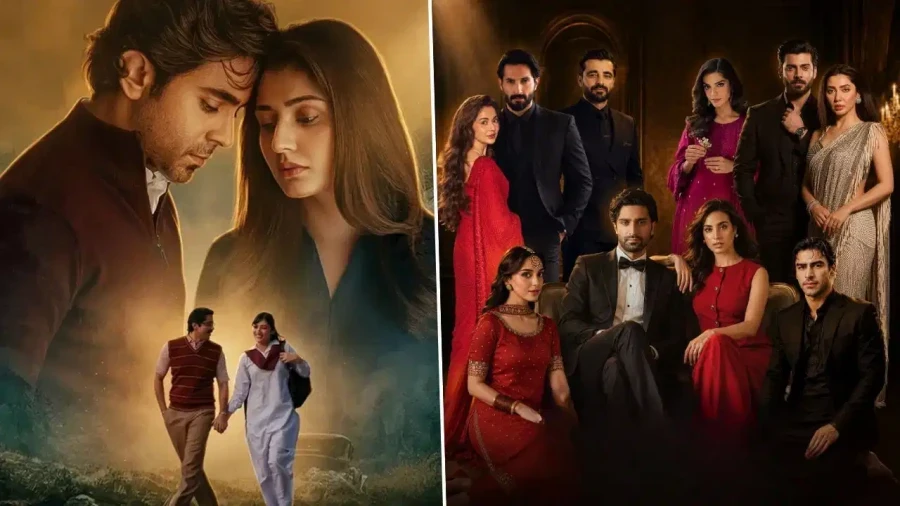
The gap between India and Pakistan in the entertainment industry is no secret, and the freshest example of this disparity is the web series Jo Bachay Hain Sang Samait Lo. This highly anticipated and much-discussed Pakistani series is scheduled to stream on Netflix coming December 4. However, ever since the trailer was released, there have been demands to ban its broadcast in India as well. But the underlying story of why almost all major names and faces of the Pakistani entertainment industry had to turn to OTT through this series is deep and concerning, depicting the troubled state of their film industry.
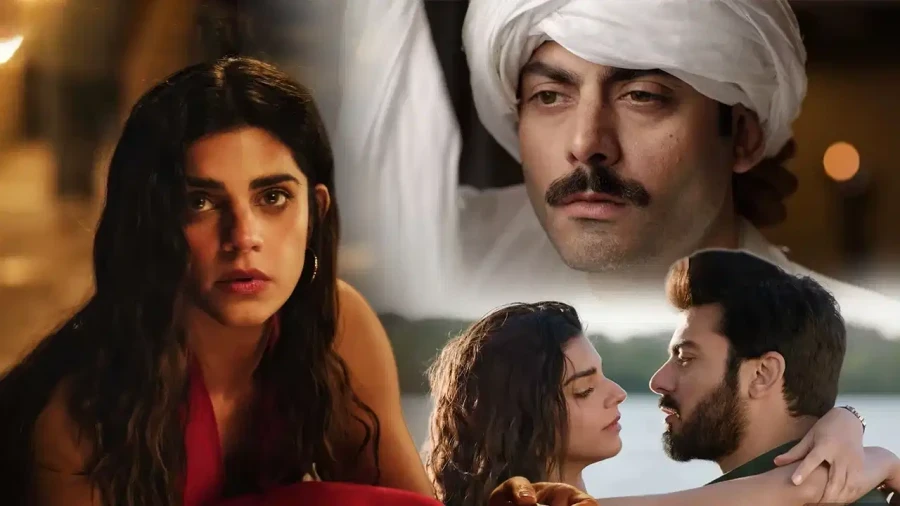
According to the glimpses shown in the trailer of Jo Bachay Hain Sang Samait Lo, it stars prominent actors such as Fawad Khan, Mahira Khan, Ahad Raza Mir, Sanam Saeed, Maya Ali, Iqra Aziz, Hania Amir, Hamza Ali Abbasi, Ahmed Ali Akbar, and Bilal Ashraf. This massive series has been created and directed by Momina Duraid, while its music has been composed by Rohail Hayat, a well-known veteran musician of the Pakistani film industry. The series is based on a novel by Farhat Ishtiaq. Naturally, a series that took about two hundred days to make and involves almost all major faces and names of the Pakistani film industry is bound to generate massive publicity.
However, the question arises as to why all these big stars had to turn towards OTT platforms. In reality, a major effort to revive Pakistan's struggling film industry is hidden behind this move. In recent years, much like in India, single-screen theaters in Pakistan have shut down rapidly, while although multiplexes were built at a very fast pace in India, the growth rate in Pakistan was extremely slow. According to media reports, a large number of single-screen theaters have closed down in Pakistan since the year 2018. Media reports also indicate that by the year 2025, about forty percent of cinema halls in Pakistan have been completely shut down. Whichever multiplexes or single-screen theaters remain open in Pakistan are restricted only to major cities such as Karachi, Lahore, or Islamabad. These halls either screen Hollywood movies or local Punjabi and Urdu films.
Wherever single-screen theaters survive in Pakistan, ticket prices might be in line with the common people's affordability, but movie ticket prices in multiplexes hover around one thousand rupees. On the other hand, due to the ban imposed on Indian films in Pakistan, the condition of theater owners there has become miserable. Public screenings of Indian films don't take place. Those who can't afford to go to multiplexes are forced to watch pirated Indian movies sitting right inside their homes, while this means that the grim conditions prevailing there are driving the Pakistani film industry into massive financial losses. Following Covid, the business of the film industry worldwide, including Hollywood and Bollywood, was impacted and later recovered, but Pakistan's film market could never get back on track.
Experts believe that by banning Indian films, Pakistan has shot itself in the foot. Audiences started visiting theaters less frequently, resulting in theaters shutting down consecutively. Now, all Pakistani artists are joining hands on OTT in an attempt to rescue their failing film industry from this deep crisis. Comparing the OTT platforms of India and Pakistan paints a completely clear picture, while notably, after Covid, a rapid pace of entertainment on OTT was witnessed in India as well. OTT platforms have emerged as a new and most accessible alternative for entertainment in India, offering viewers outstanding content.
However, how far behind Pakistan stands compared to India on this front is exemplified by this very series, while in the final month of the year 2026, Netflix is going to stream a web series in Pakistan for the very first time. In stark contrast, the journey of web series on Netflix in India began much earlier. In July 2018, a celebrated series created by directors Anurag Kashyap and Vikramaditya Motwane titled Sacred Games premiered in India, starring Saif Ali Khan, Nawazuddin Siddiqui, and Radhika Apte in lead roles. In fact, Netflix had officially announced its launch in India way back in June 2016, creating a major wave in the streaming market.
Talking about Amazon Prime Video, the streaming of web series on this popular platform began in India back in the year 2017. The very first series released on Prime Video in India was Inside Edge. This ambitious project featured Vivek Oberoi, Richa Chadha, Angad Bedi, Sayani Gupta, and Siddhant Chaturvedi as main cast members, while the series was produced by renowned filmmakers Farhan Akhtar and Ritesh Sidhwani, while it was directed by Karan Anshuman. Conversely, looking at Pakistan's OTT journey, while a web series is streaming on Netflix for the first time in the year 2026, the first web series ever streamed on Amazon Prime Video in Pakistan was back in the year 2021.
That inaugural Pakistani web series is named Clickbait. Although it was produced back in the year 2020 and initially released on YouTube, it was later brought to Amazon Prime Video in the year 2021. This Clickbait holds the distinct title of being Pakistan's very first web series. In comparison, India's very first web series is Permanent Roommates, created by TVF founder Arunabh Kumar. This series was also initially released on YouTube and turned out to be a massive hit among audiences. This is the same Arunabh Kumar whose production company The Viral Fever (TVF) has created widely popular and acclaimed web series across the country such as Gullak, Panchayat, and Aspirants.
Meanwhile, major film faces have also arrived in large numbers on OTT platforms in India. While prominent and seasoned stars like Saif Ali Khan, Bobby देओल (Bobby Deol), and Manoj Bajpayee have already established their stronghold in Indian web series, legendary artists such as Amitabh Bachchan, Vidya Balan, Sunny Deol, and Akshaye Khanna have prominently stepped into OTT films as well. However, a notable point is that the ones who truly got the Indian OTT market back on track aren't big established film faces, but fresh and grounded artists, including talented names like Pankaj Tripathi and Jitendra Kumar. These actors have elevated the Indian OTT space to exceptional heights, a milestone from which Pakistan still remains miles away.