

- India,
- 29-Dec-2025 05:37 PM IST


Pakistan's Army Chief, Asim Munir, is reportedly living under a. Profound cloud of fear, a state attributed to India's 'Operation Sindoor'. This pervasive sense of dread has led to extraordinary personal security measures, transforming his public and even private engagements. The constant apprehension of an attack has become a defining characteristic of his current. Tenure, raising significant questions about his leadership and the stability of Pakistan's military command.
Living Under the Shadow of Fear
Field Marshal Asim Munir's current predicament is marked by an intense and palpable fear, which has reportedly gripped him ever since India's 'Operation Sindoor'. This fear is so deep-seated that he perceives a constant threat to his life, compelling him to adopt stringent protective protocols. When engaging with anyone, whether in official capacity or otherwise, he's invariably seen fully encased in a bulletproof jacket. This protective gear is designed to cover him comprehensively, from the front. Of his torso to his back, ensuring maximum defense against any potential assault. This extensive use of protective attire has become a standard feature of his interactions, underscoring the severity of his perceived threat level.
Meetings Behind Bulletproof Barriers
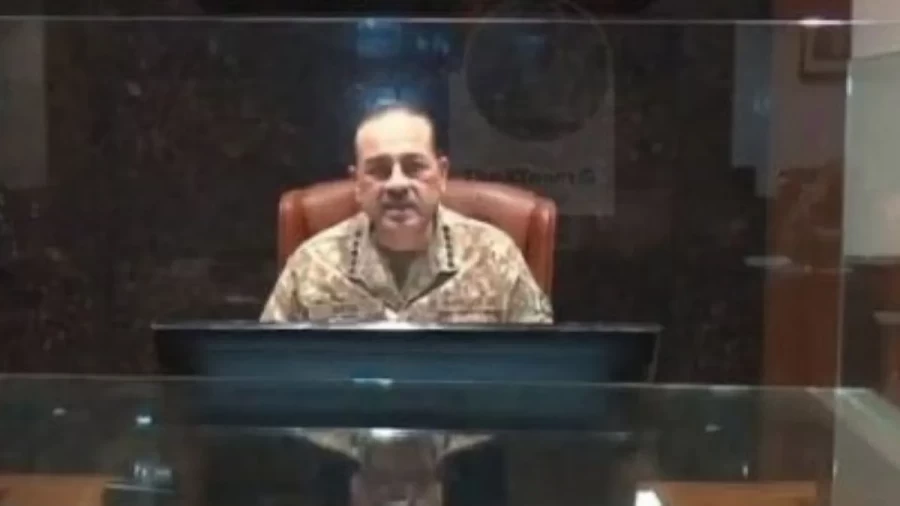
Munir's security measures extend beyond just wearing a bulletproof jacket. A critical aspect of his heightened security involves conducting meetings within the Army Headquarters from behind a bulletproof glass barrier. This transparent yet impenetrable shield is intended to safeguard him from any unforeseen dangers, allowing. Him to feel a degree of safety even within the confines of his own command center. This particular arrangement has become a subject of both concern and ridicule among the Pakistani populace. Citizens are openly questioning how a leader who feels compelled to hide behind bulletproof glass in his own military headquarters can effectively lead the nation in a conflict against a formidable adversary like India. This widespread public skepticism is severely impacting Munir's credibility and leadership image, fueling a national debate about the competence and courage of their top military commander.
Viral Video and Public Scrutiny
A video purportedly showing Asim Munir addressing Pakistani soldiers within the Army Headquarters has gone viral across social media platforms. The footage clearly depicts him speaking from behind a bulletproof glass partition, a visual that has only intensified public discussion. Following the circulation of this video, Pakistani journalists, ordinary citizens, and even children have begun to mockingly refer to Munir as the 'scared Field Marshal'. The sight of their military chief exhibiting such overt signs of fear has led to widespread derision and jest among Pakistanis. This development is Notably eroding Munir's public image and raising serious doubts about his ability to inspire confidence and lead the armed forces effectively.
Journalistic Commentary and Unanswered Questions
Senior Pakistani journalist Arzoo Kazmi has also weighed in on the matter, noting that President Asif Ali Zardari made several remarks concerning the Army Chief during his address in Karachi. Kazmi advised Munir not to be swayed by Zardari's comments, while amidst these developments, persistent questions are being raised by the public: Who is Munir truly afraid of? What specific threats have caused him such profound apprehension? These unanswered questions highlight a growing sense of unease within Pakistan regarding the security of its top military leader and the potential implications for national stability. The perceived vulnerability of the Army Chief is becoming a significant point of public and political discourse.
Claims of Bunker Living and Grave Threats
Given Munir's visibly fearful state, claims have emerged within Pakistan that he has resorted to living in a bunker, constantly haunted by the fear of attack. This extreme measure, if true, underscores the depth of his paranoia and the perceived severity of the threats against him. In this context, references are often made to the assassination of former Pakistani Army Chief Zia-ul-Haq in a bomb blast, serving as a stark reminder of the historical vulnerabilities of military leaders in the country. It's widely reported that Munir has received explicit death threats, which aren't considered mere empty warnings, while these threats have reportedly led to an unprecedented increase in his personal security. Specifically, a threat to bomb Munir's vehicle is said to have originated from a source beyond his control, further escalating the gravity of the situation and contributing to his profound sense of insecurity.
A Transformed Leader Under Duress
Pakistan's Army Chief Munir is now living under such intense fear that his entire lifestyle has undergone a drastic transformation. He no longer meets people with the same ease as before, nor does he move freely in public. Any necessary interaction requires him to don his bulletproof jacket, and during meetings at the Army Headquarters, he consistently opts to sit behind a bulletproof glass barrier. All these indicators unequivocally suggest that Munir is deeply afraid. The very Army Chief who once issued aggressive threats against India is now perceived as a 'scared cat'. This situation not only impacts the morale of the Pakistani. Military but also diminishes Pakistan's standing on the international stage. Munir's palpable fear highlights both internal security challenges within Pakistan and the perceived weaknesses in its top leadership, painting a picture of a nation grappling with profound instability at its highest military echelons.
Asim Munir addresses his own corp commanders hiding behind bullet proof glass. You can see the reflection in the video🤣🤣
— Vajra (@BholeNath_wasi) December 28, 2025
Which military commander is scared of his own subordinates. Apparently the great brave Pakistani general is scared of his own corp commanders🤣🤣 pic.twitter.com/41xAXdzmyz
